





Winter Crane Flies
trichoceridae
Winter Crane Flies are fascinating insects that flutter around during the chilly months. Their long, delicate bodies and wings make them look like tiny fairies in the winter air!
Habitat: Winter Crane Flies can be found in moist, grassy areas and near water sources during the winter months.
The Winter Crane Flies has a delicate, slender body, long spindly legs, and large, clear wings that are often held outstretched. They are typically colored in shades of brown, grey, or black, making them blend in with their environment.
Category
InsectsRarity
Common
Danger
0/5 · No known danger
Snaps
Be the first to snap!
Their long, fragile legs are easily shed if caught by a predator, helping them escape to safety.
Unlike many insects, adult Winter Crane Flies have very short antennae, making them look unique.
Winter Crane Flies are often mistaken for giant mosquitoes, but they are completely harmless and don't bite!
You might spot them dancing in swarms over melting snow, a surprising sight for a winter day.
Winter Crane Flies can be active and fly during chilly winter months because their bodies are adapted to tolerate cold temperatures.
Winter Crane Flies has larvae that feed on decaying organic matter, helping to break down dead plants and recycle nutrients.
Winter Crane Flies can shiver to warm up their flight muscles, allowing them to take flight even when the air is cool.
Larvae feast on decaying plants and fungi, while adults rarely eat, mainly sipping water or nectar.
Age differences: Larvae are detritivores, consuming decaying plant matter, while adults typically do not feed or only consume small amounts of nectar/water.
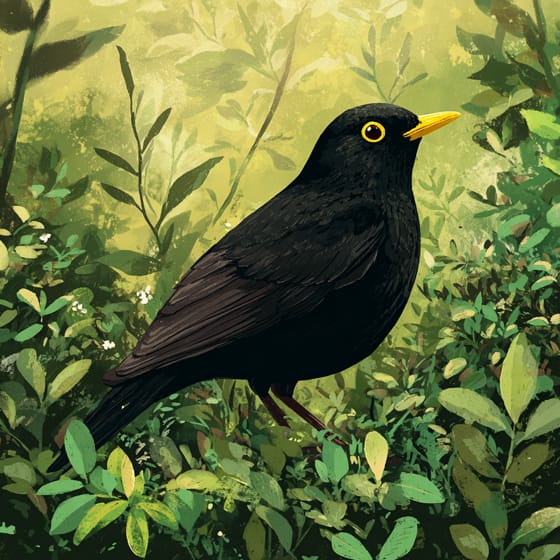
Turdus merula
provides a winter food source for birds.
Araneus diadematus
preyed upon by spiders in milder periods.

Fagus sylvatica
larvae help decompose fallen leaves.
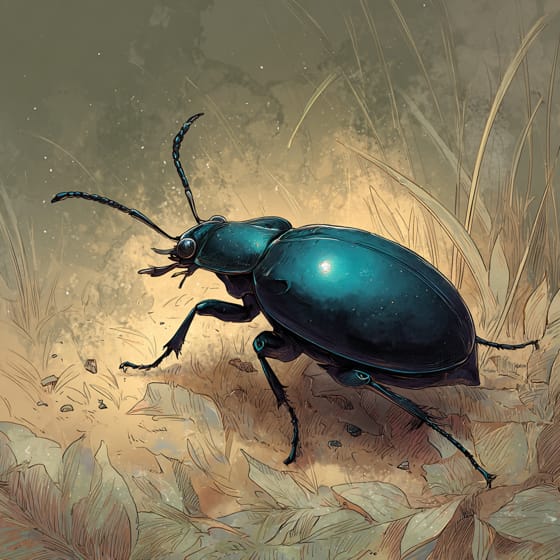
Carabus nemoralis
larvae are food for predatory ground beetles.
Solitary animals live alone for most of their lives, only interacting with others for mating or parental care.
Colorful describes organisms or objects displaying a wide range of bright and distinct colors.
Describes organisms that break down dead organic material, recycling nutrients back into the ecosystem.
Diurnal animals are primarily active during daylight hours, typically resting or sleeping at night.

Nocturnal animals are primarily active during the nighttime hours, typically resting or sleeping during the day.
Danger
0/5 · No known danger
No special safety notes yet.
The easiest way to identify Winter Crane Flies is to use the Snappit nature identifier app.
8-20 mm
4-10 mm
5-10 days
1-5 km/h
Larvae feast on decaying plants and fungi, while adults rarely eat, mainly sipping water or nectar.
Winter Crane Flies can be found in moist, grassy areas and near water sources during the winter months.
Foraging
Zoom in to split clusters and explore where this object has been snapped.
Recent snaps will appear here as new observations are added.
Take the discovery with you
Snap it with Snappit to identify it, learn what makes it special, and add the discovery to your collection.









.jpg&width=800)



