





California Flattened Jumping Spider
platycryptus californicus
The California Flattened Jumping Spider is a tiny, friendly spider that loves to jump! With its flat body, it can hide easily among leaves and rocks.
Habitat: They live in gardens, forests, and grasslands, hiding among plants and rocks.
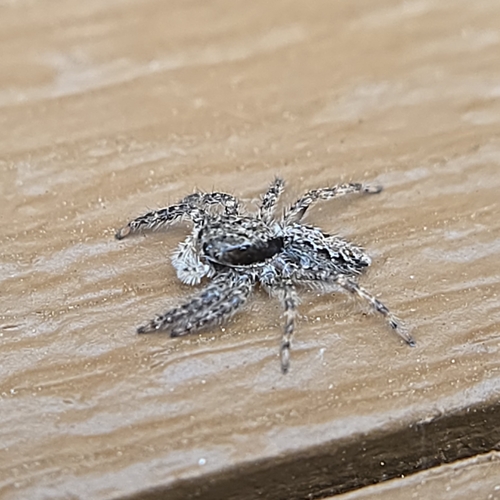
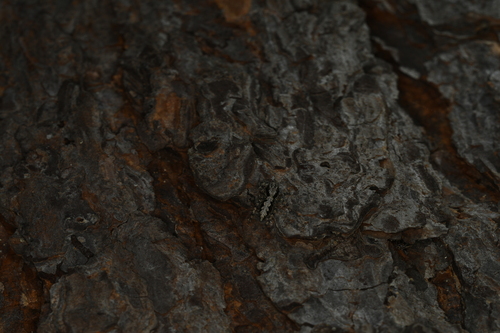
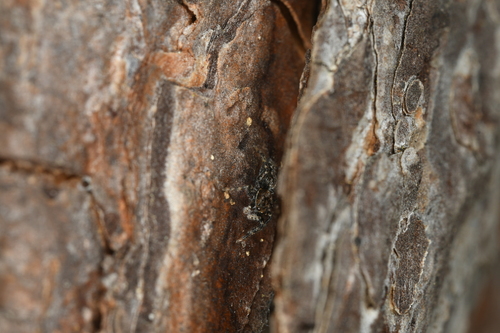
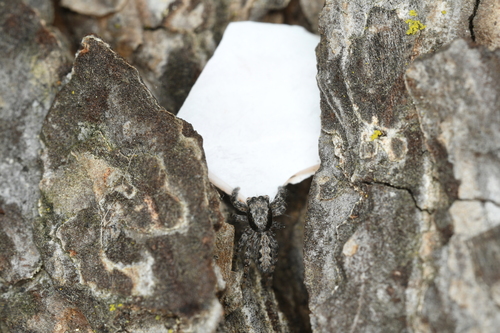
The California Flattened Jumping Spider is a small arachnid with a distinctly flattened, oval-shaped body, typically mottled brown and gray, sometimes with reddish-brown hairs. It often has a contrasting lighter stripe down its abdomen and iridescent green-blue chelicerae, making it blend seamlessly with bark.
Category
InsectsRarity
Common
Danger
0/5 · No known danger
Snaps
8
Before jumping, they 'glue' a silk safety line, like a bungee cord!
Scientists believe they might 'see' ultraviolet light, invisible to human eyes!
They can twist their whole head to look around without moving their body.
This spider doesn't build webs to catch food; it hunts like a tiny lion!
California Flattened Jumping Spider can jump many times its body length because of powerful hydraulic legs that help them ambush prey.
California Flattened Jumping Spider has eight eyes, including two very large forward-facing ones that help them see in vivid color and pinpoint prey.
California Flattened Jumping Spider can produce silk for a safety tether while jumping, because it helps them retrace or prevent falls.
This spider is a skilled hunter, preying on various small insects and other spiders.
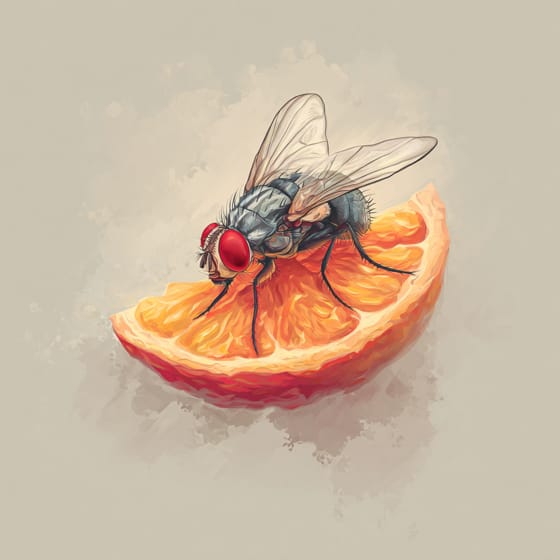
Drosophila melanogaster
a common small insect prey
Musca domestica
a frequent food source in human habitats
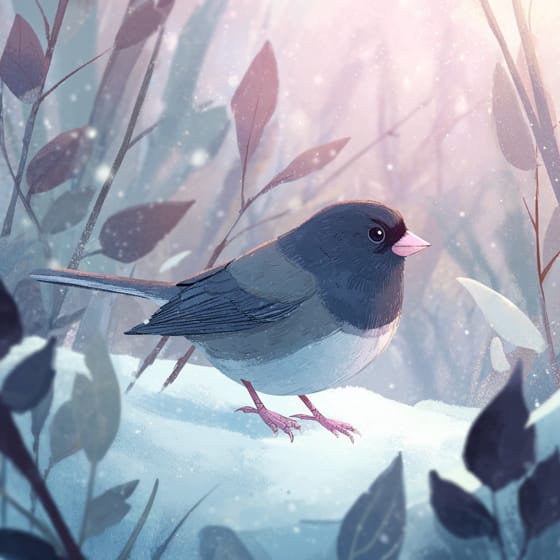
Junco hyemalis
a common bird predator

Latrodectus hesperus
eaten by larger, venomous spiders
Solitary animals live alone for most of their lives, only interacting with others for mating or parental care.
Colorful describes organisms or objects displaying a wide range of bright and distinct colors.
This trait identifies organisms whose diet consists entirely or primarily of animal tissue.
Diurnal animals are primarily active during daylight hours, typically resting or sleeping at night.

Nocturnal animals are primarily active during the nighttime hours, typically resting or sleeping during the day.
Danger
0/5 · No known danger
No special safety notes yet.
The easiest way to identify California Flattened Jumping Spider is to use the Snappit nature identifier app.
6-13 mm
365-730 days
This spider is a skilled hunter, preying on various small insects and other spiders.
They live in gardens, forests, and grasslands, hiding among plants and rocks.
Ambush
8
Zoom in to split clusters and explore where this object has been snapped.
May 28, 2026
James Cant RanchPhoto attribution
(c) John Clonce, some rights reserved (CC BY)
License: CC BY 4.0 ↗
Image may be shown cropped inside the card frame.
May 21, 2026
Folsom City Zoo SanctuaryPhoto attribution
(c) Hawk T., some rights reserved (CC BY)
License: CC BY 4.0 ↗
Image may be shown cropped inside the card frame.
May 19, 2026
Folsom City Zoo SanctuaryPhoto attribution
(c) Hawk T., some rights reserved (CC BY)
License: CC BY 4.0 ↗
Image may be shown cropped inside the card frame.
May 19, 2026
Folsom City Zoo SanctuaryPhoto attribution
(c) Hawk T., some rights reserved (CC BY)
License: CC BY 4.0 ↗
Image may be shown cropped inside the card frame.

Washington, US
You might spot Pacific Banana Slug and Oregon Forestsnail.
View guide →

Washington, US
You might spot Great Blue Heron, Aggregating Anemone, and Ochre Sea Star.
View guide →

Oregon, US
You might spot Blue Mountain Prairie Clover and Munro's Globemallow.
View guide →

California, US
You might spot Black Bear, Brown Bear, and Cougar.
View guide →

Oregon, US
You might spot Balkan Toadflax, Big Sagebrush, and Western Juniper.
View guide →

Colorado, US
You might spot Mule Deer, Rubber Rabbitbrush, and Plateau Fence Lizard.
View guide →
Take the discovery with you
Snap it with Snappit to identify it, learn what makes it special, and add the discovery to your collection.








.jpg&width=800)



