





Western Pondhawk
Erythemis collocata
The Western Pondhawk is a bright green dragonfly that loves to fly around ponds and lakes. It has a long body and big eyes, making it look like a little superhero of the water!
Habitat: Wetlands
The Western Pondhawk is a medium-sized dragonfly with a robust body. Males are distinctive with bright green faces and a pale blue, frosted body. Females and young males are brilliant green with dark brown markings and yellow spots on their abdomen.
Category
InsectsRarity
Common
Danger
1/5 · Very low
Snaps
2
An adult Western Pondhawk can eat hundreds of mosquitoes every single day!
Males often perch on leaves near ponds, fiercely guarding their territory from rivals.
They are ancient insects; dragonflies have existed for over 300 million years!
Western Pondhawk babies, called nymphs, live entirely underwater for up to two years!
Western Pondhawks have massive compound eyes that cover most of their head, helping them spot prey from almost any direction.
Western Pondhawks can hover, fly backward, and change direction instantly because of their four independently moving wings.
Western Pondhawk nymphs breathe and hunt underwater, using a special extendable jaw to catch other aquatic creatures.
These amazing aerial hunters catch and eat all sorts of flying insects right out of the air!
Age differences: Nymphs hunt aquatic insects and tadpoles underwater, while adults hunt flying insects in the air.
Culex pipiens
Adults help control mosquito populations near water.
Musca domestica
Adult Western Pondhawks prey on various flying insects, including flies.
.jpg&width=800)
Tyrannus verticalis
Birds like kingbirds are known predators of adult dragonflies.
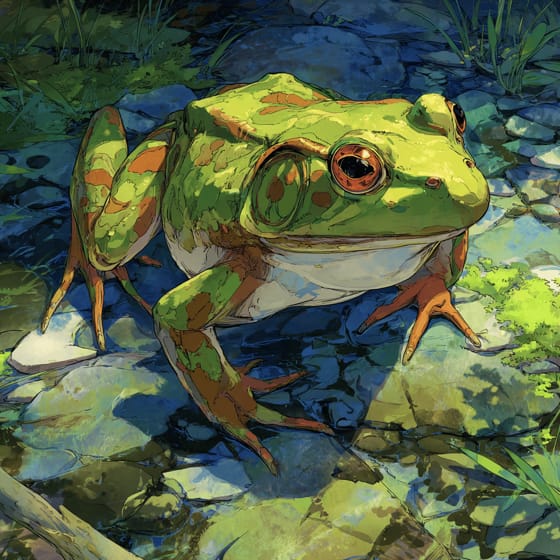
Lithobates catesbeianus
Bullfrogs prey on both adult dragonflies and their aquatic nymphs.
Aerial creatures spend a significant portion of their lives airborne, utilizing flight for various activities such as hunting, migration, or nesting.
Colorful describes organisms or objects displaying a wide range of bright and distinct colors.
This trait identifies organisms whose diet primarily consists of insects and other small invertebrates.
This habitat trait identifies species found in wetlands, which are areas of land saturated with water, either permanently or seasonally, including marshes, swamps, and bogs.

This trait identifies organisms whose diet consists entirely or primarily of animal tissue.

Diurnal animals are primarily active during daylight hours, typically resting or sleeping at night.

Freshwater habitats include non-saline aquatic environments such as rivers, lakes, ponds, and wetlands, vital for numerous species.

This trait identifies organisms that exhibit exceptional swiftness in movement for hunting, escape, or travel.

Describes organisms that transfer pollen, enabling the fertilization and reproduction of plants.
No aliases listed yet.
Danger
1/5 · Very low
Dragonflies are friendly and won't hurt you, but it's best to watch them from a distance.
The easiest way to identify Western Pondhawk is to use the Snappit nature identifier app.
50-90 mm
35-48 mm
400-800 days
50 km/h
These amazing aerial hunters catch and eat all sorts of flying insects right out of the air!
Wetlands
Pursuit
Zoom in to split clusters and explore where this object has been snapped.

Oregon, US
You might spot Fir Dwarf-Mistletoe, Sugar Pine, and Woodland Pinedrops.
View guide →

Nevada, US
You might spot Great-Tailed Grackle and Northern Mockingbird.
View guide →

Wyoming, US
You might spot Lodgepole Pine, Flowery Phlox, and Moose.
View guide →
Take the discovery with you
Snap it with Snappit to identify it, learn what makes it special, and add the discovery to your collection.








.jpg&width=800)



