





woodland strawberry
Fragaria vesca
Woodland strawberries are small, sweet fruits that grow close to the ground. They have bright red color and are delicious to eat! They are often found in forests and meadows.
Habitat: Forests
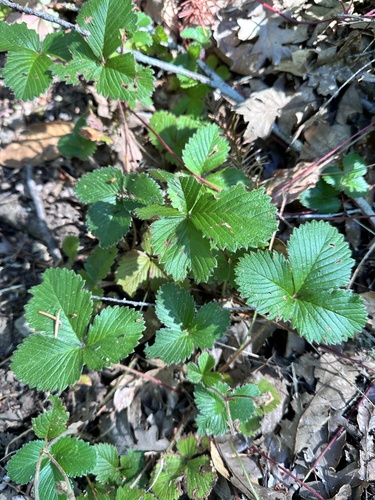
The woodland strawberry has small, delicate white flowers with five petals and yellow centers, often growing singly or in small clusters. Its bright red, tiny, heart-shaped berries are much smaller than cultivated varieties. The plant forms low-growing rosettes of three-parted, toothed green leaves.
Category
PlantsRarity
Common
Danger
1/5 · Very low
Snaps
4
Ancient Romans prized woodland strawberries for both their delicious taste and medicinal uses!
Despite its name, botanically, it's not a true berry, but an 'aggregate accessory fruit'!
Each tiny seed on the outside of the berry is actually a separate fruit called an achene!
These wild strawberries taste much stronger and sweeter than common store-bought varieties!
Woodland strawberry can send out 'runners' called stolons that root and grow new plants, helping it spread quickly across the forest floor.
This plant has broad, low-growing leaves that efficiently capture sunlight even in dappled shade, allowing it to thrive under trees.
Woodland strawberry can produce many small, intensely flavored berries quickly, attracting animals to help disperse its seeds.
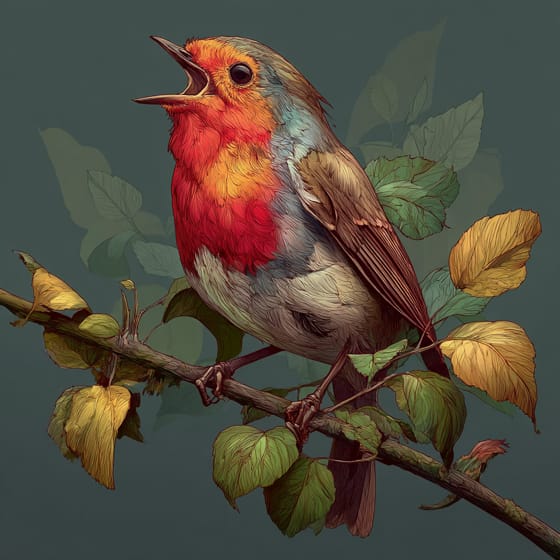
Turdus migratorius
Robins devour the ripe red berries.
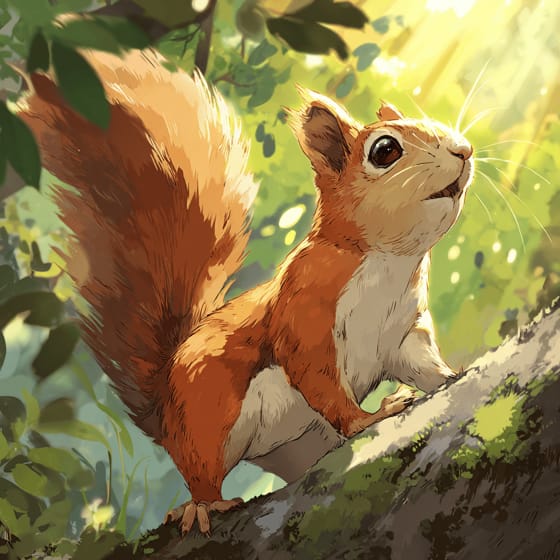
Sciurus carolinensis
Squirrels feed on the small, sweet fruits.
Apis mellifera
Bees collect nectar and pollen from its flowers.
Formica rufa
Ants can help disperse its seeds to new locations.
Shade tolerant plants are adapted to grow and thrive in areas with low light levels, requiring less direct sunlight.
Spring blooming plants produce their flowers during the spring season, often signifying the end of winter and the start of new growth.
Summer blooming plants produce their flowers during the summer season, often providing vibrant color when many other plants have finished.
Fruit-bearing plants produce fruits, which are the mature ovaries of flowering plants containing seeds.
A fruit tree is a perennial tree that produces fruit, which is edible to humans or animals.

Edible plants are those parts of a plant that are considered safe for human consumption.

Forest habitats are terrestrial environments dominated by dense tree cover, supporting a high diversity of plant and animal life.
No aliases listed yet.
Danger
1/5 · Very low
Always wash fruits before eating them, and ask an adult if you're unsure about picking them.
The easiest way to identify woodland strawberry is to use the Snappit nature identifier app.
10-20 cm
15-30 cm
1-2 cm
Spring to early Summer
Yes
None
Perennial
Zoom in to split clusters and explore where this object has been snapped.
Jun 3, 2026
Armstrong Redwoods State Natural ReservePhoto attribution
no rights reserved
License: CC0 1.0 ↗
Image may be shown cropped inside the card frame.

California, US
You might spot Redwood Sorrel, Redwood, and Button's Banana Slug.
View guide →

Pennsylvania, US
You might spot Meadow-Rues, Cinnamon Fern, and Pink Lady's Slipper.
View guide →

Oregon, US
You might spot Western Redcedar, Salal, and Pacific Trillium.
View guide →

Oregon, US
You might spot Pacific Trillium, Giant White Fawn Lily, and Candy Flower.
View guide →

Massachusetts, US
You might spot Grey Cross Spider, Common Milkweed, and Roses.
View guide →

Pennsylvania, US
You might spot Hemlock Varnish Shelf, Mountain Laurel, and Cinnamon Fern.
View guide →
Take the discovery with you
Snap it with Snappit to identify it, learn what makes it special, and add the discovery to your collection.








.jpg&width=800)



_001.jpg&width=800)


