
American Bullfrog

Peavy Arboretum offers a vibrant living laboratory and public greenspace in Oregon.
Peavy Arboretum offers a vibrant living laboratory and public greenspace in Oregon.
This extensive arboretum, operated by Oregon State University’s College of Forestry, serves as a crucial outdoor teaching and research facility, as well as a beloved recreational destination. Spanning a diverse landscape, Peavy Arboretum provides a unique opportunity to explore a rich collection of both native and exotic woody plants, making it a living museum of trees and an essential gateway to the larger McDonald-Dunn Forest.
Visitors can wander along a network of short, wide, and generally flat walking paths that meander through impressive groves of giant sequoias and towering western red cedars along the picturesque Redcedar Run Trail. Randal Pond, also known as Cronemiller Lake, offers a tranquil spot to observe aquatic life, including newts and crawfish, while in spring, the Firefighter Memorial Trail bursts with vibrant camas flowers. Throughout the arboretum, interpretive signs on trails like the Woodland Trail and Forest Discovery Trail provide engaging educational insights into the diverse ecosystems and specific tree species, including magnificent Dawn Redwoods.
Whether you're seeking a serene escape, an educational adventure, or a refreshing hike, Peavy Arboretum delivers a memorable experience. Its well-maintained paths, diverse plant life, and opportunities for both leisurely strolls and more vigorous exploration make it a cherished destination for nature enthusiasts, families, and researchers alike. The arboretum's commitment to education is evident in its detailed signage, offering a rich learning experience amidst the beauty of the Pacific Northwest. Take the ultimate field guide with you: use the Snappit app to identify birds, plants, and animals on your trip.
Peavy Arboretum's origins trace back to the mid-1920s when the Oregon Agricultural College (now Oregon State University) School of Forestry recognized the need for an accessible outdoor laboratory for its students. Named in honor of Dean George W. Peavy, the arboretum was dedicated in 1926, initially encompassing 80 acres and serving as a classroom, research facility, and demonstration forest. From 1925, it also housed the Clarke-McNary State Nursery, producing seedlings for farmers and reforestation efforts. A significant chapter in its history was the establishment of a Civilian Conservation Corps (CCC) camp at the arboretum from 1933 to 1942. CCC workers played a crucial role in shaping the landscape, constructing many of the trails and roads still in use today, expanding the nursery, and building Cronemiller Lake (now Randal Pond) for irrigation. Before Euro-American settlement, the land where Peavy Arboretum stands was utilized by the Kalapuya people for at least 10,000 years, highlighting its long-standing ecological and cultural significance.
Enjoy interpretive hikes, engage in birdwatching, picnic by the pond, capture stunning photographs, and learn about forestry through educational signage.
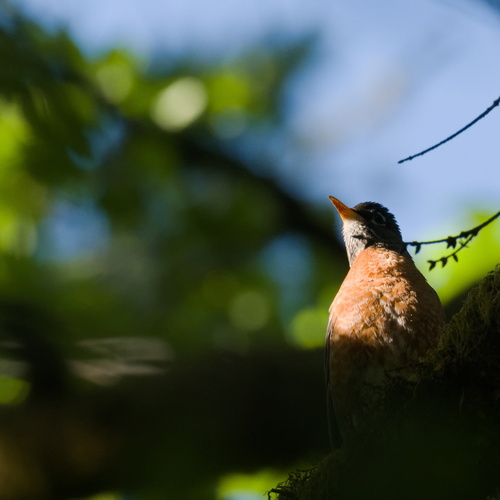
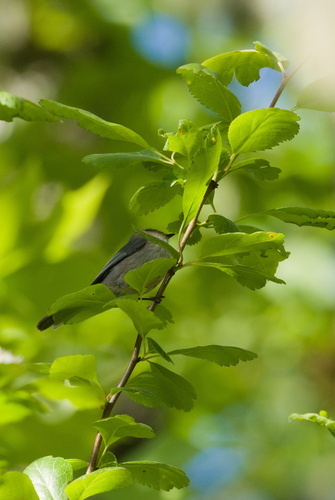
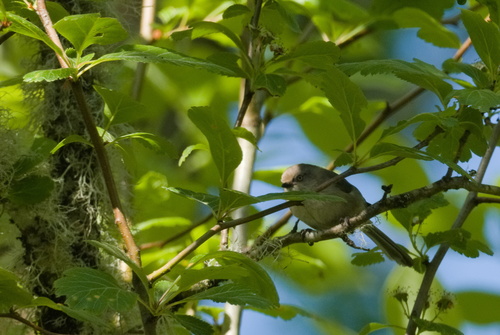
Spring: Profusion of wildflowers (camas, trilliums, larkspur, columbine) and active bird populations, including migrant and nesting warblers, wrens, and thrushes.
Fall: Vibrant autumn colors throughout the arboretum's deciduous trees like walnut, American chestnut, and California hazel.
Peavy Arboretum offers short, wide, and generally flat walking paths suitable for various mobility levels. There are paved sections of trails, such as the one leading to Bald Hill, which are good for wheelchairs, and there have been plans for improved ADA accessibility. Porta-potties are available at parking lots. Dogs are welcome and can be off-leash if under voice command. Note that motorized vehicles, including most e-bikes, are prohibited on trails, with exceptions for individuals with disabilities carrying appropriate permits.
A majestic stand of towering sequoias that transport visitors to another world.
Features stately western red cedars and also houses the arboretum's only western hemlocks and larches.
A serene spot for observing aquatic life, picnicking, and spotting newts and crawfish.
Bursts with purple camas flowers in the spring.
Each card links to a full Explore page with photos, traits, and fun facts.
Start with the big picture, then zoom in to explore individual wildlife observations around this place.
Grab a map
Pick up a brochure or download a map from the OSU Research Forests website before your visit to navigate the various trails and identify points of interest.
Time your visit for nature's show
Visit in spring (April-May) for spectacular wildflower blooms and active birdlife, or in autumn for vibrant fall foliage.
Leash etiquette for dogs
While dogs are often allowed off-leash if under voice control, keeping them leashed in busier areas or near wildlife can enhance everyone's experience.
Wear comfortable footwear
Many trails are well-maintained, but proper hiking shoes are recommended for comfort and stability, especially on longer or unpaved sections.
Look for interpretive signs
Enhance your visit by reading the numerous interpretive signs along trails like the Woodland and Forest Discovery Trails, which offer fascinating insights into the arboretum's ecology and history.
Carpool if possible
Parking can be limited, especially during peak times. Consider carpooling if visiting with a group to help manage demand at trailheads.
May 5, 2025
Photo attribution
no rights reserved
License: CC0 1.0 ↗
Image may be shown cropped inside the card frame.
May 5, 2025
Photo attribution
no rights reserved
License: CC0 1.0 ↗
Image may be shown cropped inside the card frame.
May 5, 2025
Photo attribution
no rights reserved
License: CC0 1.0 ↗
Image may be shown cropped inside the card frame.
Jun 3, 2026
Jun 3, 2026

Maryland, US
You might spot White-Tailed Deer and Eastern Gray Squirrel.
View guide →
.jpg)
District of Columbia, US
You might spot Eastern Gray Squirrel, Duck, and House Sparrow.
View guide →

Illinois, US
You might spot American Robin, Canada Goose, and House Sparrow.
View guide →

Virginia, US
You might spot Spotted Lanternfly and Northern Cardinal.
View guide →
Take the discovery with you
Identify the wildlife you spot, learn as you go, and keep a collection of the adventure.