





Wyoming toad
Anaxyrus baxteri
The Wyoming toad is a special little frog that loves to live in wet places. It has a bumpy skin and can be found hopping around in the grass and mud near ponds.
Habitat: Wetlands
The Wyoming toad has grey-green to dark brown warty skin, often with darker spots and a pale stripe down its back. It possesses prominent parotoid glands behind its eyes. This toad is distinct from other toads by its slightly flattened head and lack of pronounced cranial crests.
Category
AmphibiansRarity
Epic
Danger
1/5 · Very low
Snaps
Be the first to snap!
Male toads sing loud, trilling songs to attract mates during springtime.
These toads spend chilly winters buried deep in the mud to stay warm.
They were thought to be extinct until a small group was found in 1991!
Wyoming toads are only found in a tiny part of Wyoming, nowhere else on Earth!
Wyoming toad has special glands that release a bad-tasting poison, which helps them deter predators.
Wyoming toad can blend into its muddy and grassy home because of its mottled skin patterns.
Wyoming toad can quickly snatch insects with its long, sticky tongue, which helps them catch fast prey.
These toads are expert bug hunters, feasting on small insects they find on land.
Age differences: Tadpoles primarily graze on algae and detritus in the water before becoming insect-eating adults.
Thamnophis elegans
Snakes are common predators of adult toads and juveniles.
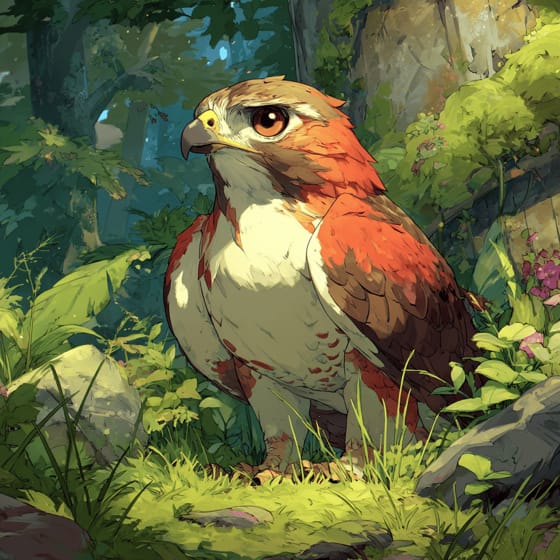
Buteo jamaicensis
Raptors prey on toads when they are active near water.
Formica rufa
Ants are a primary food source for foraging Wyoming toads.
_-_Killarney%2C_Ontario_01.jpg&width=800)
Melanoplus bivittatus
Grasshoppers are a significant food source for these insectivores.
Solitary animals live alone for most of their lives, only interacting with others for mating or parental care.
Camouflaged describes organisms that possess coloring or patterns that allow them to blend into their environment.
This trait identifies organisms whose diet primarily consists of insects and other small invertebrates.
This habitat trait identifies species found in wetlands, which are areas of land saturated with water, either permanently or seasonally, including marshes, swamps, and bogs.

Diurnal animals are primarily active during daylight hours, typically resting or sleeping at night.

Freshwater habitats include non-saline aquatic environments such as rivers, lakes, ponds, and wetlands, vital for numerous species.

Endangered status indicates a species is at a very high risk of extinction in the wild in the near future.
No aliases listed yet.
Danger
1/5 · Very low
Always wash your hands after touching frogs and toads, as they can have sensitive skin.
The easiest way to identify Wyoming toad is to use the Snappit nature identifier app.
5-7 cm
0.028-0.056 kg
5-10 years
0.5 km/h
These toads are expert bug hunters, feasting on small insects they find on land.
Wetlands
Ambush
Zoom in to split clusters and explore where this object has been snapped.
Recent snaps will appear here as new observations are added.
Take the discovery with you
Snap it with Snappit to identify it, learn what makes it special, and add the discovery to your collection.









.JPG&width=800)


.jpg&width=800)

