





Cliff Chirping Frog
eleutherodactylus marnockii
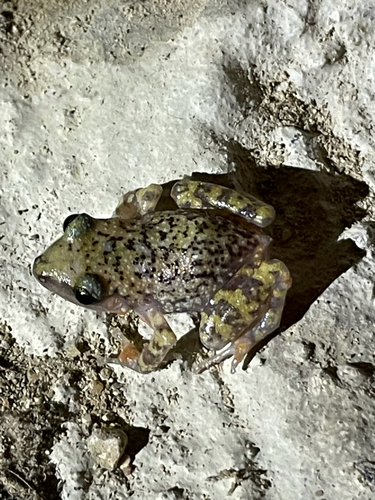
The Cliff Chirping Frog is a small, lively frog known for its cheerful chirping sounds! It loves to hop around on rocky cliffs and in grassy areas, making it a fun creature to spot.
Habitat: Cliff Chirping Frogs live in rocky areas, grasslands, and near water sources in warm climates.
The Cliff Chirping Frog is a small, stocky amphibian, typically brown, gray, or olive with darker blotches and a textured, warty skin. It often has a faint light line running down its back, blending seamlessly with its rocky surroundings.
Category
AmphibiansRarity
Common
Danger
0/5 · No known danger
Snaps
1
Cliff Chirping Frogs can survive long periods without much water!
Their loud, bird-like chirps can be heard from far away, especially at night!
These tiny frogs lay eggs on land, not water, and baby frogs hatch directly!
They are only found in a small part of Texas and northern Mexico.
Cliff Chirping Frog can skip the tadpole stage, hatching directly into tiny froglets from eggs, which helps them survive in dry environments.
Cliff Chirping Frog has mottled brown and gray skin that helps them blend perfectly with rocks and cliffs, hiding from predators.
Cliff Chirping Frog can cling to vertical rock faces using special adhesive toe pads, helping them navigate steep terrain safely.
Cliff Chirping Frog has a strong, distinctive chirp that helps them communicate and find mates across long distances in the dark.
This frog munches on small insects and other tiny invertebrates found among rocks.
Formica subsericea
A common ant species often preyed upon by the frog.
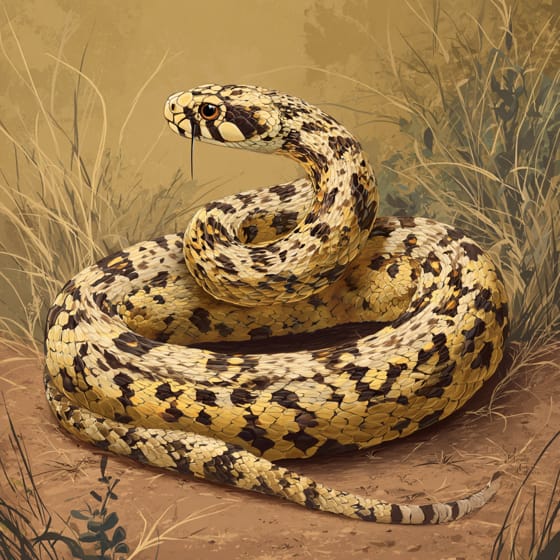
Pituophis catenifer
Snakes often hunt small amphibians among rocks.
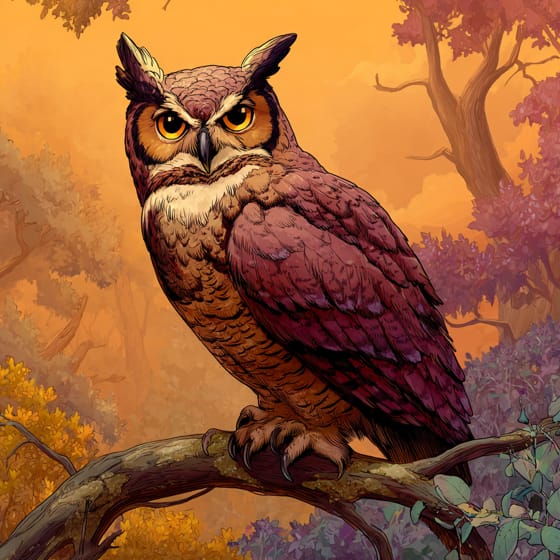
Bubo virginianus
Nocturnal owls are predators of many small creatures.
Solitary animals live alone for most of their lives, only interacting with others for mating or parental care.
Colorful describes organisms or objects displaying a wide range of bright and distinct colors.
Forest habitats are terrestrial environments dominated by dense tree cover, supporting a high diversity of plant and animal life.
This trait identifies organisms whose diet consists entirely or primarily of animal tissue.

Nocturnal animals are primarily active during the nighttime hours, typically resting or sleeping during the day.
Danger
0/5 · No known danger
No special safety notes yet.
The easiest way to identify Cliff Chirping Frog is to use the Snappit nature identifier app.
2.5-4.5 cm
0.001-0.005 kg
3-5 years
This frog munches on small insects and other tiny invertebrates found among rocks.
Cliff Chirping Frogs live in rocky areas, grasslands, and near water sources in warm climates.
Ambush
10-30
Zoom in to split clusters and explore where this object has been snapped.
Aug 11, 2025
Caverns of SonoraPhoto attribution
no rights reserved
License: CC0 1.0 ↗
Image may be shown cropped inside the card frame.
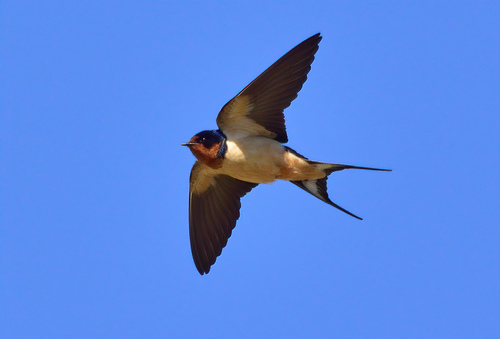
Texas, US
You might spot Barn Swallow, House Sparrow, and Indian Peafowl.
View guide →
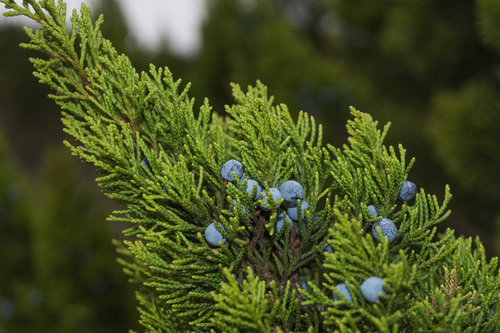
Texas, US
You might spot Ashe Juniper, Texas Bluebonnet, and Texas Live Oak.
View guide →

Texas, US
You might spot Evergreen Sumac, Lindheimer's Silktassel, and Ashe Juniper.
View guide →
Take the discovery with you
Snap it with Snappit to identify it, learn what makes it special, and add the discovery to your collection.







.JPG&width=800)




.jpg&width=800)

