





Three-lined Salamander
Eurycea guttolineata
The Three-lined Salamander is a small, colorful creature with three bright lines running down its back. It loves to hide under rocks and logs in wet areas, making it a fun animal to discover!
Habitat: Forests and wetlands
The Three-lined Salamander is a slender amphibian, typically yellow, tan, or light brown. It has three distinct dark lines running down its back and sides, making it easy to identify from similar species.
Category
AmphibiansRarity
Common
Danger
1/5 · Very low
Snaps
3
Amazingly, these salamanders don't have lungs and breathe only through their skin!
Female salamanders can guard their precious eggs for weeks until they hatch!
Their subtle stripes help them disappear among wet leaves and twigs on the forest floor!
They have special grooves on their head that help them smell tiny prey underwater!
The Three-lined Salamander can drop its tail if grabbed, distracting predators while it slips away, then regrows a new one!
The Three-lined Salamander can breathe through its moist skin, absorbing oxygen directly from both water and damp ground.
The Three-lined Salamander uses its keen sense of smell to ambush small insects and invertebrates in leaf litter.
This little hunter loves to gobble up tiny insects and worms found in damp places.
Age differences: Larvae eat aquatic invertebrates; adults hunt terrestrial invertebrates on land.
Thamnophis sirtalis
A common snake predator found in salamander habitats.
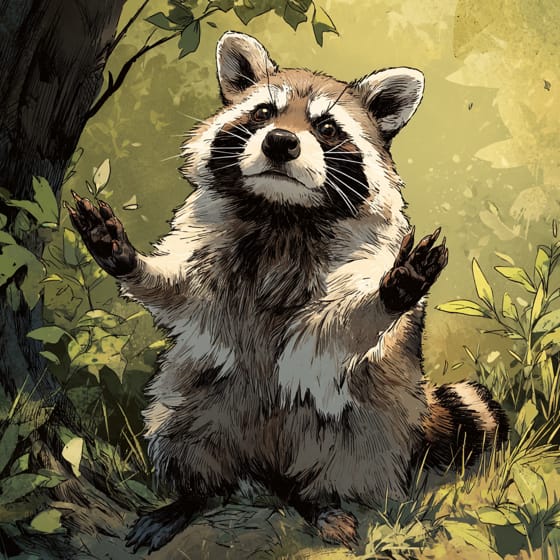
Procyon lotor
An opportunistic hunter that may find salamanders by streams.
Batrachochytrium dendrobatidis
A serious fungal pathogen impacting amphibian populations globally.
Marked with parallel bands or lines of color.
Solitary animals live alone for most of their lives, only interacting with others for mating or parental care.
Colorful describes organisms or objects displaying a wide range of bright and distinct colors.
This trait identifies organisms whose diet primarily consists of insects and other small invertebrates.

Forest habitats are terrestrial environments dominated by dense tree cover, supporting a high diversity of plant and animal life.

This habitat trait identifies species found in wetlands, which are areas of land saturated with water, either permanently or seasonally, including marshes, swamps, and bogs.
Regenerative organisms possess the ability to regrow lost or damaged body parts, tissues, or organs.

Toxic organisms contain substances that are poisonous and can cause adverse effects upon exposure.

Nocturnal animals are primarily active during the nighttime hours, typically resting or sleeping during the day.

Endangered status indicates a species is at a very high risk of extinction in the wild in the near future.
No aliases listed yet.
Danger
1/5 · Very low
If you find a salamander, remember to look but not touch, so it stays safe!
The easiest way to identify Three-lined Salamander is to use the Snappit nature identifier app.
7.5-12.5 cm
0.005-0.015 kg
3-7 years
0.05 km/h
This little hunter loves to gobble up tiny insects and worms found in damp places.
Forests and wetlands
Foraging
Zoom in to split clusters and explore where this object has been snapped.

Alabama, US
You might spot Red Buckeye, Gray Ratsnake, and Sycamore Tussock Moth.
View guide →

Alabama, US
You might spot Pearl Crescent and Oriental False Hawksbeard.
View guide →

North Carolina, US
You might spot Pipevine Swallowtail, Little Sweet Betsy, and Black Bear.
View guide →

Mississippi, US
You might spot Prairie Nymph, Slender Vervain, and Whitemouth Dayflower.
View guide →
Take the discovery with you
Snap it with Snappit to identify it, learn what makes it special, and add the discovery to your collection.







.JPG&width=800)


.jpg&width=800)

