.jpg&width=800)





Xanthorhoe
xanthorhoe
The Xanthorhoe is a colorful moth that dances in the moonlight! With its beautiful wings, it's like a little piece of art fluttering around at night.
Habitat: Xanthorhoe moths thrive in gardens, meadows, and forests.
The Xanthorhoe moth typically has slender bodies and broad wings, often featuring intricate patterns of wavy lines, zigzags, or a prominent dark central band. Their colors vary, usually subtle shades of brown, grey, or yellow-ochre, providing excellent camouflage against natural backgrounds.
Category
InsectsRarity
Common
Danger
0/5 · No known danger
Snaps
Be the first to snap!
Many species have two generations of moths that fly in the same year.
Scientists use light traps at night to study these moths because they are drawn to bright lights.
Some Xanthorhoe moths stay perfectly still on leaves, making them almost impossible to spot.
Their caterpillars are called "loopers" because they walk like they are measuring the ground!
Xanthorhoe moths can fly efficiently in darkness because of specialized antennae and vision that helps them find mates and nectar at night.
Xanthorhoe has tiny hairs on its body that helps them sense changes in air pressure, alerting them to approaching predators.
Xanthorhoe caterpillars munch on plant leaves, while adult moths sip sweet flower nectar.
Age differences: Larvae eat plant leaves, while adult moths feed on flower nectar to refuel.
Galium album
Caterpillars munch on its leaves for food.
%2C_Parc_de_Woluw%C3%A9%2C_Brussels_(13042792905).jpg&width=800)
Parus major
Birds feed on Xanthorhoe moths and their caterpillars.
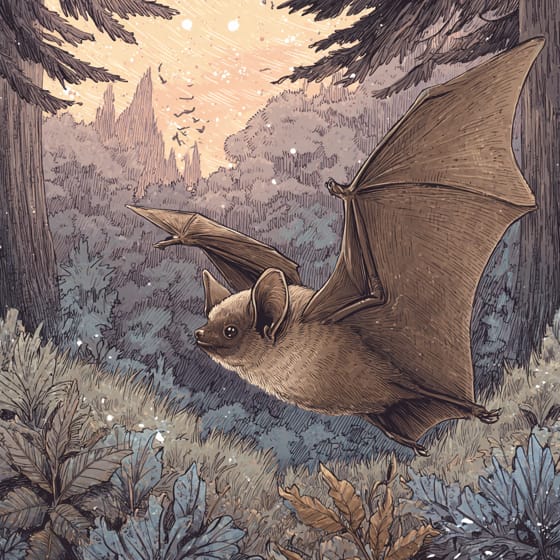
Myotis lucifugus
Bats hunt adult moths using echolocation at night.

Campanula rotundifolia
Some Xanthorhoe caterpillars specialize in eating its leaves.
Solitary animals live alone for most of their lives, only interacting with others for mating or parental care.
Colorful describes organisms or objects displaying a wide range of bright and distinct colors.
This trait characterizes organisms whose diet consists entirely or primarily of plant material.
Nocturnal animals are primarily active during the nighttime hours, typically resting or sleeping during the day.

Describes organisms that transfer pollen, enabling the fertilization and reproduction of plants.
Danger
0/5 · No known danger
No special safety notes yet.
The easiest way to identify Xanthorhoe is to use the Snappit nature identifier app.
20-35 mm
10-20 mm
7-21 days
Xanthorhoe caterpillars munch on plant leaves, while adult moths sip sweet flower nectar.
Xanthorhoe moths thrive in gardens, meadows, and forests.
Foraging
6
Zoom in to split clusters and explore where this object has been snapped.
Recent snaps will appear here as new observations are added.
Take the discovery with you
Snap it with Snappit to identify it, learn what makes it special, and add the discovery to your collection.









.jpg&width=800)



