.jpg&width=800)





Yellow Baboon
papio cynocephalus
The Yellow Baboon is a playful and social animal that loves to live in groups. They have long limbs and a colorful face that makes them easy to spot in the wild!
Habitat: They live in grasslands and open savannas of Africa.
The Yellow Baboon has short, pale yellow to olive-brown fur and a long, dog-like muzzle with a dark face. Its strong limbs and a distinctive bare rump make it visually different from many other monkeys.
Category
MammalsRarity
Common
Danger
1/5 · Very low
Snaps
Be the first to snap!
Baboons use over 30 different calls and many facial expressions to communicate.
Their bare rumps can change color, becoming bright pink in mating season!
They often sleep high in trees at night to stay safe from predators.
Yellow baboons can live in troops of up to 200 individuals!
Yellow Baboon has keen eyesight and hearing that helps them spot predators or distant food sources quickly.
Yellow Baboon can use its large, sharp canine teeth to defend itself and process tough plant matter.
Yellow Baboon can swiftly climb trees because of its powerful limbs, which helps them escape danger.
Omnivores, they eat almost anything: fruits, grasses, seeds, insects, and even small animals.
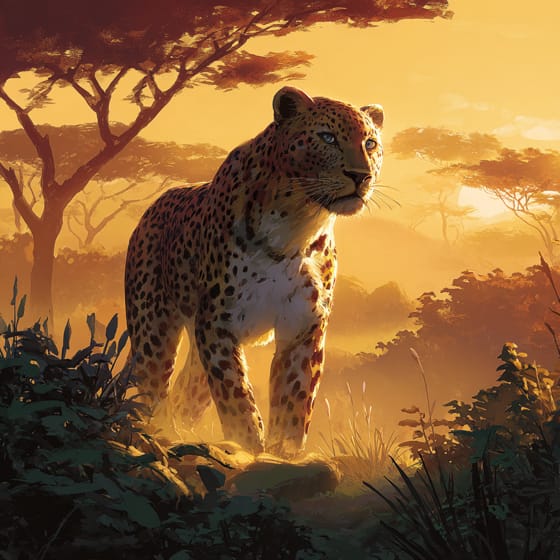
Panthera pardus
Leopards are a primary predator of baboons.
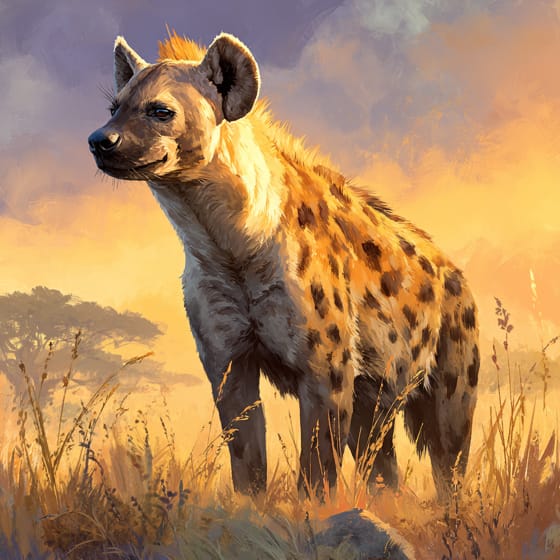
Crocuta crocuta
Hyenas sometimes hunt baboons, especially solitary individuals.
Vachellia tortilis
Baboons eat its pods and leaves, and use it for shelter.
Furry describes animals possessing a dense covering of soft hair or fur.
Social animals live in organized groups, cooperating for survival benefits such as foraging, defense, and raising offspring.
This trait identifies organisms whose diet includes both plant and animal matter.
Grassland habitats are terrestrial biomes dominated by grasses and herbaceous plants, supporting a variety of grazing animals.

Diurnal animals are primarily active during daylight hours, typically resting or sleeping at night.
Danger
1/5 · Very low
No special safety notes yet.
The easiest way to identify Yellow Baboon is to use the Snappit nature identifier app.
50-85 cm
10-30 kg
20-30 years
45 km/h
Omnivores, they eat almost anything: fruits, grasses, seeds, insects, and even small animals.
They live in grasslands and open savannas of Africa.
Foraging
Zoom in to split clusters and explore where this object has been snapped.
Recent snaps will appear here as new observations are added.
Take the discovery with you
Snap it with Snappit to identify it, learn what makes it special, and add the discovery to your collection.




.jpg&width=800)


.JPG&width=800)


.jpg&width=800)
