





yellow barklouse
Valenzuela flavidus
The yellow barklouse is a tiny insect that loves to live on trees. It has a bright yellow color that helps it blend in with the bark, making it hard to spot!
Habitat: Forests
The yellow barklouse is a tiny insect, often bright yellow or yellowish-brown. It has a soft, oval body with long, slender antennae and clear, membranous wings usually held roof-like over its back.
Category
InsectsRarity
Common
Danger
1/5 · Very low
Snaps
Be the first to snap!
Barklice help clean tree bark, nibbling tiny algae and fungi!
Even though they're small, their dancing movements can be surprisingly mesmerizing!
Some barklice lay their eggs in a fluffy, protective silk nest!
They often move together in wiggly groups, looking like tiny parades!
yellow barklouse has a yellow body that helps them blend in perfectly with lichens and bark, hiding from hungry predators.
yellow barklouse can produce silken threads from their mouthparts, which they use to build protective webs on bark.
They mostly munch on tiny bits of algae, fungi, and lichens found on tree bark and leaves.

Poecile carolinensis
Tiny birds love to snack on barklice.
Misumena vatia
Spiders often catch them on bark and leaves.
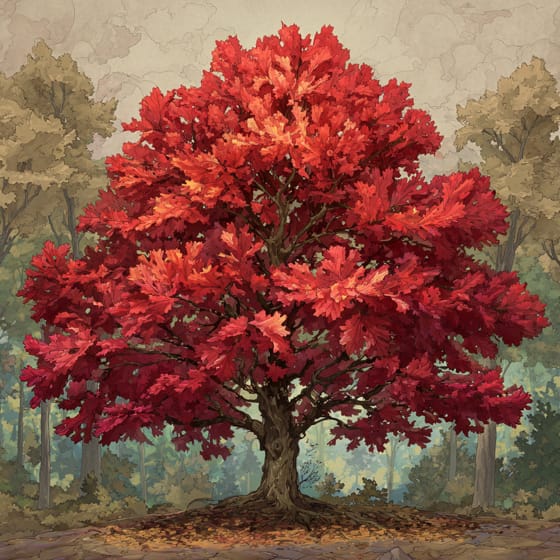
Quercus rubra
They find shelter and food on oak tree bark.
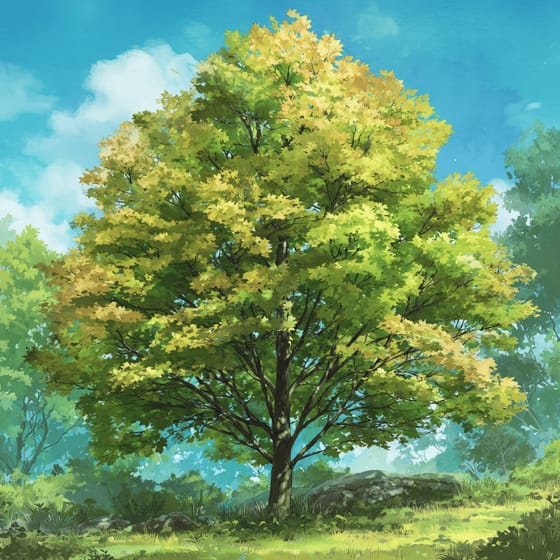
Acer saccharum
Many barklice species prefer maple trees for feeding.
Social animals live in organized groups, cooperating for survival benefits such as foraging, defense, and raising offspring.
Solitary animals live alone for most of their lives, only interacting with others for mating or parental care.
Camouflaged describes organisms that possess coloring or patterns that allow them to blend into their environment.
Colorful describes organisms or objects displaying a wide range of bright and distinct colors.

This trait characterizes organisms whose diet consists entirely or primarily of plant material.

Forest habitats are terrestrial environments dominated by dense tree cover, supporting a high diversity of plant and animal life.

Diurnal animals are primarily active during daylight hours, typically resting or sleeping at night.

Pertaining to species that are significantly smaller than typical or average for their kind.

Describes organisms that transfer pollen, enabling the fertilization and reproduction of plants.
No aliases listed yet.
Danger
1/5 · Very low
These insects are harmless, but it's best to look and not touch them.
The easiest way to identify yellow barklouse is to use the Snappit nature identifier app.
3-6 mm
1.5-3 mm
30-90 days
0.5 km/h
They mostly munch on tiny bits of algae, fungi, and lichens found on tree bark and leaves.
Forests
Foraging
Zoom in to split clusters and explore where this object has been snapped.
Recent snaps will appear here as new observations are added.
Take the discovery with you
Snap it with Snappit to identify it, learn what makes it special, and add the discovery to your collection.







.jpg&width=800)


