





lyreleaf sage
Salvia lyrata
Lyreleaf sage is a pretty plant with soft, green leaves shaped like a lyre. It grows beautiful purple flowers that attract butterflies and bees, making gardens lively and colorful!
Habitat: Grasslands
The lyreleaf sage has distinctive lyre-shaped leaves forming a basal rosette, often purplish underneath. Its tall, square stems bear spikes of delicate, two-lipped, blue-purple flowers. This upright plant stands out with its unique leaf shape and vibrant blooms.
Category
PlantsRarity
Common
Danger
1/5 · Very low
Snaps
34
Lyreleaf sage got its name because its leaves look like a tiny harp!
Native Americans used this plant for remedies and as a tasty green vegetable.
Rubbing its leaves releases a refreshing, minty scent—try it next time you see one!
This clever plant can grow in sunny fields or shady woodlands, adapting easily!
Lyreleaf sage has a deep taproot that helps it survive dry periods by reaching water far below the surface.
Lyreleaf sage can produce many seeds and also spread by rhizomes, helping it colonize new areas.
Lyreleaf sage has uniquely square stems, a feature that helps provide stability and support for its upright flower stalks.
Apis mellifera
collects nectar and pollen
Bombus impatiens
visits flowers for nectar
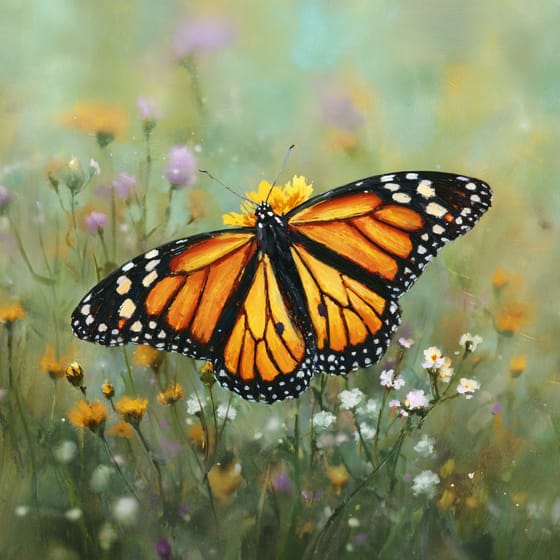
Danaus plexippus
drinks nectar from flowers
Aromatic plants produce and emit fragrant volatile organic compounds, often for defense or to attract pollinators.
Flowering plants are any plants that produce flowers as part of their reproductive cycle.
Summer blooming plants produce their flowers during the summer season, often providing vibrant color when many other plants have finished.
Fragrant flowers emit a pleasant aroma, often to attract pollinators or for defense.

Medicinal plants possess chemical compounds that can be used for therapeutic purposes to treat illnesses or maintain health.

Colorful describes organisms or objects displaying a wide range of bright and distinct colors.

Edible plants are those parts of a plant that are considered safe for human consumption.

Grassland habitats are terrestrial biomes dominated by grasses and herbaceous plants, supporting a variety of grazing animals.

Describes plants that are particularly attractive and beneficial to a wide range of pollinating organisms.
No aliases listed yet.
Danger
1/5 · Very low
Always ask an adult before picking any plants.
The easiest way to identify lyreleaf sage is to use the Snappit nature identifier app.
30-90 cm
30-60 cm
1-2 cm
Spring to early summer
Yes
None
Perennial
Zoom in to split clusters and explore where this object has been snapped.

Georgia, US
You might spot Common Vetch, Tiny Bluet, and Carolina Crane's-Bill.
View guide →

South Carolina, US
You might spot American Alligator, Anole, and Great Blue Heron.
View guide →
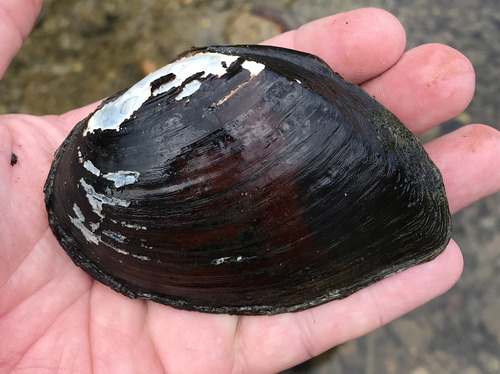
Alabama, US
You might spot Elephantear, Three-Ridge Mussel, and Rough Fatmucket.
View guide →

North Carolina, US
You might spot American Robin and Eastern Gray Squirrel.
View guide →

Alabama, US
You might spot Anole, Bee, and Bristle Thistle.
View guide →
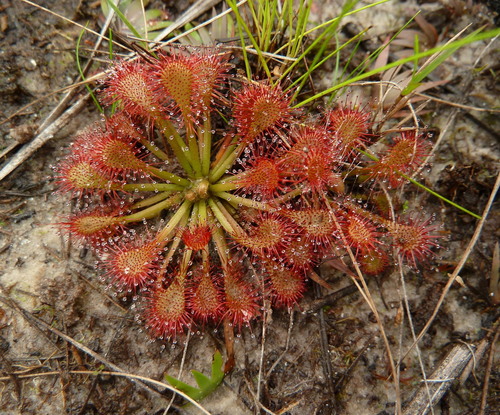
Florida, US
You might spot Pink Sundew, Drooping Forked Fern, and Netted Pawpaw.
View guide →
Take the discovery with you
Snap it with Snappit to identify it, learn what makes it special, and add the discovery to your collection.








.jpg&width=800)


_001.jpg&width=800)



