_(15335598219).jpg&width=800)





Yellow-footed Ant
Nylanderia flavipes
The Yellow-footed Ant is a small, busy insect that loves to work together with its friends. They have bright yellow feet and are often found in large groups, helping to keep their home clean and safe.
Habitat: Forests
The Yellow-footed Ant is a small, dark brown to black ant, easily identified by its distinctive yellowish-brown antennae and legs. Its slender body contrasts with these lighter extremities, making it visually unique among common dark ant species.
Category
InsectsRarity
Common
Danger
1/5 · Very low
Snaps
Be the first to snap!
A single colony can have many queens, allowing it to grow enormous!
These ants can squeeze through tiny cracks, smaller than a pinhead!
They can easily move their entire colony to a new nest site overnight!
Yellow-footed Ants are sometimes called 'crazy ants' because of their erratic movements!
Yellow-footed Ant can run incredibly fast because of its lightweight body that helps them quickly find and gather food.
Yellow-footed Ant has special pheromones that help them lay invisible scent trails for their nestmates to follow.
Yellow-footed Ant can 'farm' aphids by protecting them because they produce a sweet liquid called honeydew for the ants.
These tiny ants love to eat sugary treats and hunt small insects to keep their colony fed.
Aphis gossypii
Provides sugary honeydew to ants.
Phidippus audax
These spiders are predators of ants.
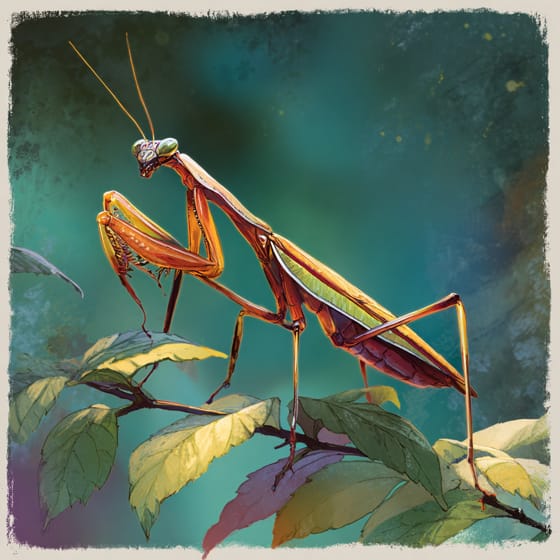
Mantis religiosa
Large mantises prey on various insects, including ants.
Social animals live in organized groups, cooperating for survival benefits such as foraging, defense, and raising offspring.
This trait identifies organisms whose diet includes both plant and animal matter.
Colorful describes organisms or objects displaying a wide range of bright and distinct colors.
Describes organisms that break down dead organic material, recycling nutrients back into the ecosystem.

Forest habitats are terrestrial environments dominated by dense tree cover, supporting a high diversity of plant and animal life.

Diurnal animals are primarily active during daylight hours, typically resting or sleeping at night.

Describes a species whose presence and role have a disproportionately large effect on its environment.

Describes organisms that transfer pollen, enabling the fertilization and reproduction of plants.
No aliases listed yet.
Danger
1/5 · Very low
Be gentle and watch where you step, as ants are small and busy working.
The easiest way to identify Yellow-footed Ant is to use the Snappit nature identifier app.
2-3 mm
60-180 days
These tiny ants love to eat sugary treats and hunt small insects to keep their colony fed.
Forests
Foraging
6
100000
Zoom in to split clusters and explore where this object has been snapped.
Recent snaps will appear here as new observations are added.
Take the discovery with you
Snap it with Snappit to identify it, learn what makes it special, and add the discovery to your collection.




_(16639600986).jpg)





.jpg&width=800)

