


Northern Cardinal

Highbridge Park offers a compelling escape into nature and history within the bustling landscape of New York City.
Highbridge Park offers a compelling escape into nature and history within the bustling landscape of New York City. Straddling a rocky cliff with sweeping views of the Harlem River, this extensive park features a unique blend of rugged outcroppings, diverse woodlands, and significant historical landmarks. It provides a vital green lung for upper Manhattan, serving as a haven for both urban dwellers seeking recreation and a diverse array of wildlife. The park's namesake, the High Bridge, stands as the city's oldest surviving bridge, offering a picturesque connection between Manhattan and the Bronx and a glimpse into New York's past.
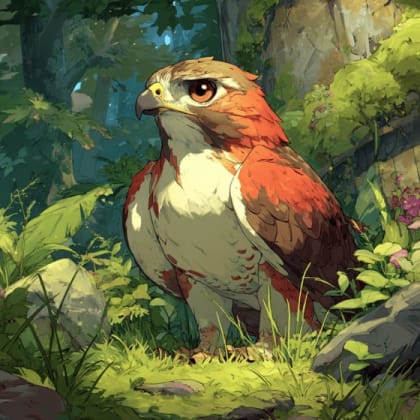
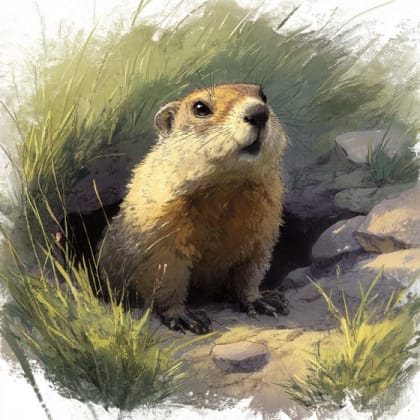
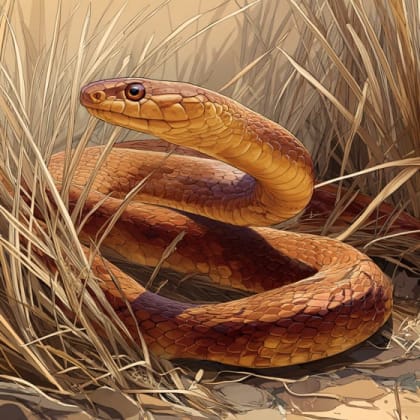
Within its varied terrain, Highbridge Park showcases an impressive range of attractions. Visitors can traverse miles of pathways, enjoy the city's first mountain biking course, or cool off at the historic Highbridge Recreation Center and Pool. The park's natural areas are home to a vibrant ecosystem, supporting species like the Northern Cardinal and American Robin, as well as raptors such as the Red-tailed Hawk. Mammals like the Common Raccoon, Eastern Gray Squirrel, Groundhog, and White-footed Mouse are frequently observed. The park is particularly notable for the re-discovery of the Northern Dusky Salamander and DeKay's Brownsnake, highlighting its ecological value. The varied flora includes native trees like northern red oaks, hickory, sweetgum, and tulip trees, alongside common jewelweed and staghorn sumac.
Highbridge Park is truly memorable for its blend of natural beauty, recreational opportunities, and historical depth. Whether you're a history enthusiast eager to walk across the iconic High Bridge and marvel at the Highbridge Water Tower, an adventurer tackling the mountain bike trails, or a nature lover hoping to spot a White-throated Sparrow or an Eastern Red-backed Salamander, the park offers something for everyone. It’s a testament to New York City's commitment to preserving green spaces, providing a distinct urban oasis that invites exploration and appreciation of both its heritage and its wildlife. Explore the grounds like a pro—download the Snappit app to instantly identify animals and plants.
Highbridge Park's history is deeply intertwined with the development of New York City's water supply. The park derives its name from the High Bridge, constructed in 1848 as a crucial part of the Old Croton Aqueduct, which was New York City's first reliable and uninterrupted water supply system. This impressive structure carried water over the Harlem River from the Bronx into Manhattan. The parkland itself was assembled piecemeal between 1867 and the 1960s, gradually acquiring its current 130-acre expanse. A significant addition to the park's landmarks is the Highbridge Water Tower, a 125-foot granite structure built in 1872 to store and distribute water. In the 1930s, under the Works Progress Administration, the Highbridge Recreation Center and Pool were constructed, opening in 1936 and becoming a popular summer destination. After being closed for over 40 years, the High Bridge itself underwent major renovations and triumphantly reopened to pedestrians and cyclists in June 2015, once again connecting Manhattan and the Bronx and allowing visitors to experience this historic pathway.
Walk or bike across the High Bridge, hike the Old Croton Aqueduct Trail or the Chestnut Trail, mountain bike the diverse course, swim at the outdoor pool (seasonal), observe birds and other wildlife, and enjoy scenic overlooks.
Summer: The outdoor pool is open, offering a refreshing respite. Watch for common insects like the Spotted Lanternfly or Porcelain Berry.
Fall: Enjoy spectacular fall foliage and cooler temperatures for hiking.
Spring: A great time for birdwatching as migratory birds pass through. Keep an eye out for emerging plants like common jewelweed and garlic mustard.
Winter: Trails are generally open, offering serene, stark beauty, though some areas may be slippery.
For ADA access to the High Bridge, use the ramp located at 167th Street and Edgecombe Avenue on the Manhattan side, or a ramp north of 170th Street and University Avenue on the Bronx side. Some trails may be paved, but many natural paths feature rugged terrain.
New York City's oldest standing bridge, offering panoramic views of the Harlem River and connecting Manhattan and the Bronx.
A historic 125-foot granite tower dating back to 1872, offering architectural grandeur and a view of the surrounding area.
The city's first mountain biking course, featuring varying difficulty levels and a dirt jump park.
Each card links to a full Explore page with photos, traits, and fun facts.
Start with the big picture, then zoom in to explore individual wildlife observations around this place.
Wear appropriate footwear
Many trails are unpaved and can be rugged, especially on the mountain biking paths or natural areas.
Stay hydrated
Bring water, especially during warmer months or if planning extended exploration.
Check pool schedules
If you plan to swim, verify the operating hours and any entry requirements for the Highbridge Recreation Center and Pool, as they are seasonal.
Use public transportation
Street parking can be limited around the park. Consider using subways (C, 1, A trains) or buses to reach the park.
Be aware of your surroundings
While enjoying nature, stay on marked trails and be mindful of common plants like eastern poison ivy.
Bring a camera
The park offers stunning views of the Harlem River, the High Bridge, and diverse wildlife, making it a great spot for photography.
Jan 24, 2026
Jan 24, 2026
Jan 24, 2026
Jan 23, 2026
Jan 23, 2026

Maryland, US
You might spot White-Tailed Deer and Eastern Gray Squirrel.
View guide →
.jpg)
District of Columbia, US
You might spot Eastern Gray Squirrel, Duck, and House Sparrow.
View guide →

Illinois, US
You might spot American Robin, Canada Goose, and House Sparrow.
View guide →

Virginia, US
You might spot Spotted Lanternfly and Northern Cardinal.
View guide →
Take the discovery with you
Identify the wildlife you spot, learn as you go, and keep a collection of the adventure.