





Yellow-legged Hornet
Vespa velutina
The Yellow-legged Hornet is a large wasp with bright yellow legs. They build big nests in trees and are known for their unique yellow and black stripes. They can be found buzzing around flowers and gardens.
Habitat: Urban areas, forests
The Yellow-legged Hornet is predominantly dark brown or black with a distinctive single narrow yellow-orange band on its abdomen. Its legs have striking yellow tips, earning it its common name. The face is typically orange-yellow.
Category
InsectsRarity
Common
Danger
3/5 · Moderate
Snaps
Be the first to snap!
A single queen hornet starts her huge colony all by herself each spring!
These hornets can chew wood pulp to build enormous, intricate paper nests!
They are masters of flight, able to hover perfectly still before catching prey!
Yellow-legged Hornets are a major threat to honeybees, often attacking their hives!
Yellow-legged Hornet can deliver a painful, venomous sting to defend its colony or subdue prey, using its sharp ovipositor.
Yellow-legged Hornet can swiftly capture flying insects mid-air with powerful jaws and agile flight, providing protein for its young.
Yellow-legged Hornet has the ability to chew wood pulp, constructing large, multi-layered paper nests that protect its growing colony.
They hunt many insects, especially honeybees, to feed their young, while adults sip nectar.
Age differences: Adults drink nectar for energy, but larvae are fed chewed-up insects by workers.
Apis mellifera
Major predator of adult honeybees and their larvae.
Bombus terrestris
Preys on bumblebees, taking adults and larvae.
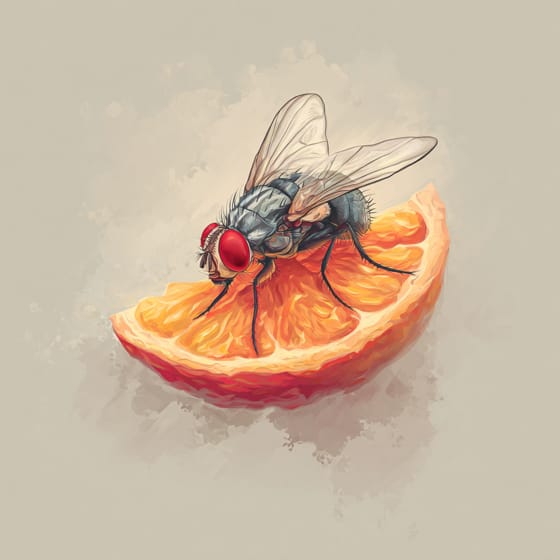
Drosophila melanogaster
Captures various small flying insects for protein.

Ficus carica
Adults feed on ripe, sweet fruit for energy.
Marked with parallel bands or lines of color.
Social animals live in organized groups, cooperating for survival benefits such as foraging, defense, and raising offspring.
Colorful describes organisms or objects displaying a wide range of bright and distinct colors.
Forest habitats are terrestrial environments dominated by dense tree cover, supporting a high diversity of plant and animal life.

This trait identifies organisms whose diet consists entirely or primarily of animal tissue.

Diurnal animals are primarily active during daylight hours, typically resting or sleeping at night.

This habitat trait indicates species that can coexist with humans in urban and suburban environments, utilizing man-made structures and green spaces.

Invasive species are non-native organisms that cause harm to the environment, economy, or human health.

Describes organisms that transfer pollen, enabling the fertilization and reproduction of plants.
No aliases listed yet.
Danger
3/5 · Moderate
If you see a hornet, it's best to stay calm and walk away slowly. Don't try to touch it.
The easiest way to identify Yellow-legged Hornet is to use the Snappit nature identifier app.
25-45 mm
17-32 mm
30-365 days
20 km/h
They hunt many insects, especially honeybees, to feed their young, while adults sip nectar.
Urban areas, forests
Pursuit
Zoom in to split clusters and explore where this object has been snapped.
Recent snaps will appear here as new observations are added.
Take the discovery with you
Snap it with Snappit to identify it, learn what makes it special, and add the discovery to your collection.








.jpg&width=800)


