




American Carrion Beetle
Necrophila americana
The American Carrion Beetle is a small, black beetle that helps clean up nature by eating dead animals. They are important for keeping the environment healthy and tidy!
Habitat: Forests
The American Carrion Beetle is an oval-shaped insect, primarily black with distinctive yellow-orange markings on its wing covers (elytra). These bold, irregular patches are typically found on the shoulders and near the tip, making it easily distinguishable from other dark beetles.
Category
InsectsRarity
Common
Danger
1/5 · Very low
Snaps
33
A single pair can bury a small mouse in just one night to protect their special food source!
Mom and Dad American Carrion Beetles work together to raise their young, a rare trait among insects!
These beetles are nature's expert "undertakers," quickly cleaning up dead animals to keep ecosystems tidy!
They sometimes look like bumblebees to scare predators away, even though they don't sting!
American Carrion Beetles can find dead animals from over a mile away because of their amazing antennae, which helps them locate food fast.
American Carrion Beetles can bury small animal carcasses because of their strong legs, which helps them hide food from bigger scavengers.
American Carrion Beetles have parents that feed and protect their larvae, which is rare for beetles and helps their young survive.
These beetles are nature's clean-up crew, eating dead animals and sometimes fly larvae found on carrion.
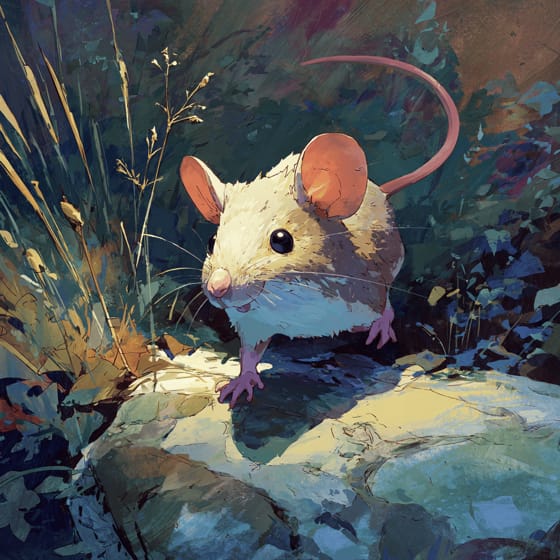
Mus musculus
Feeds on dead mouse carcasses found in its habitat.
Calliphora vicina
Eats the larvae of this fly found competing on carrion.
Mephitis mephitis
Skunks occasionally prey on adult beetles and their larvae.
Solitary animals live alone for most of their lives, only interacting with others for mating or parental care.
Scavengers consume dead organic matter, helping to decompose carcasses and other waste in the ecosystem.
Describes organisms that break down dead organic material, recycling nutrients back into the ecosystem.
Forest habitats are terrestrial environments dominated by dense tree cover, supporting a high diversity of plant and animal life.

This trait identifies organisms whose diet consists entirely or primarily of animal tissue.

Describes a species whose presence and role have a disproportionately large effect on its environment.

Pertaining to species that are significantly smaller than typical or average for their kind.

Nocturnal animals are primarily active during the nighttime hours, typically resting or sleeping during the day.
No aliases listed yet.
Danger
1/5 · Very low
Don't touch beetles you find outside; it's best to watch them from a distance.
The easiest way to identify American Carrion Beetle is to use the Snappit nature identifier app.
25-45 mm
12-22 mm
90-365 days
These beetles are nature's clean-up crew, eating dead animals and sometimes fly larvae found on carrion.
Forests
Scavenging
6
Zoom in to split clusters and explore where this object has been snapped.

New Jersey, US
You might spot Garlic Mustard, Sensitive Fern, and Common Mugwort.
View guide →
.jpg)
Virginia, US
You might spot Great Blue Heron and Canada Goose.
View guide →

Connecticut, US
You might spot Green Frog and Mountain Laurel.
View guide →

Iowa, US
You might spot House Sparrow, Northern Cardinal, and House Finch.
View guide →

New York, US
You might spot Bald Eagle, Common Eastern Bumble Bee, and Red-Tailed Hawk.
View guide →
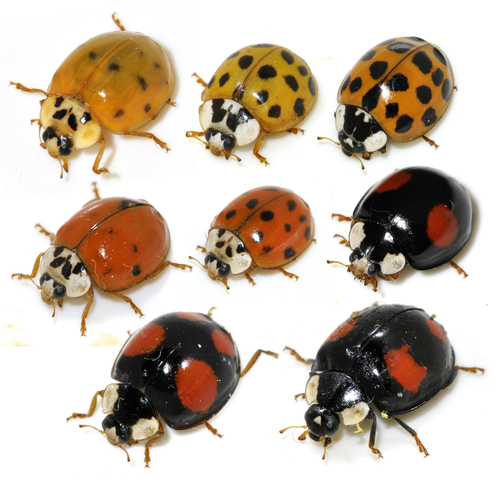
Virginia, US
You might spot Asian Lady Beetle and Eastern Tiger Swallowtail.
View guide →
Take the discovery with you
Snap it with Snappit to identify it, learn what makes it special, and add the discovery to your collection.









.jpg&width=800)


