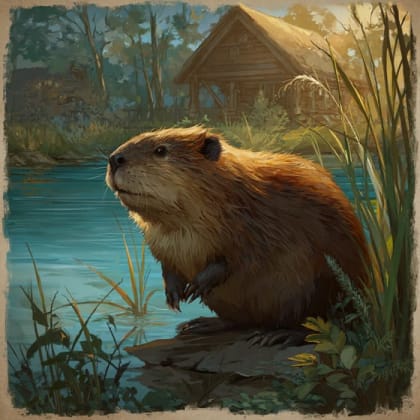





American Beaver
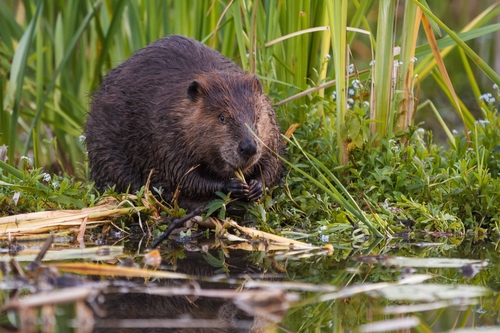
Pleasant Valley Wildlife Sanctuary offers over 1,400 acres of diverse New England landscapes.
Pleasant Valley Wildlife Sanctuary offers over 1,400 acres of diverse New England landscapes.
Nestled in the picturesque Berkshire Mountains of Western Massachusetts, Pleasant Valley Wildlife Sanctuary is a cherished natural haven managed by Mass Audubon. With over 1,400 acres encompassing forests, meadows, and wetlands, the sanctuary provides an immersive experience into the region's rich biodiversity. It's particularly renowned for its thriving beaver colony, a testament to successful wildlife reintroduction efforts, making it a prime location for observing these industrious creatures and their intricate lodges and dams.
Visitors can explore seven miles of trails, catering to all abilities, including the universally accessible All Persons Trail around Pike's Pond, offering excellent opportunities for wildlife viewing. For the more adventurous, the strenuous Trail of the Ledges ascends Lenox Mountain, rewarding hikers with breathtaking panoramic views of Mount Greylock, the Taconic Range, and even the distant Catskill Mountains. Birdwatchers will delight in spotting a variety of species, from vibrant warblers like the Yellow Warbler and Common Yellowthroat to Ruby-throated Hummingbirds and Eastern Bluebirds near their nest boxes.
Pleasant Valley Wildlife Sanctuary offers more than just scenic trails; it's a vibrant center for environmental education and family-friendly exploration. Beyond hiking, engage with interactive exhibits at the Nature Center, let children discover the imaginative Nature Play Area with handcrafted wildlife replicas, or join one of the many guided programs throughout the year, from birding excursions to beaver ecology walks. It's a place where every visit offers a chance to deepen your connection to nature and create lasting memories in a truly wild setting. Planning to visit? Download the Snappit app to identify the wildlife you spot in real-time.
The Pleasant Valley Wildlife Sanctuary has a rich history rooted in conservation. It was originally established in 1929 by the Roadside Committee of the Lenox Garden Club, who purchased the Powers and Crockett Farms to create the 300-acre Pleasant Valley Bird and Wild Flower Sanctuary. Maurice Broun, its first director, played a pivotal role in laying out many of the trails still used today and erecting numerous bird nest boxes. A significant event in the sanctuary's history occurred in 1932 with the reintroduction of beavers to the valley by Sanctuary Warden Morris Pell, an initiative that led to the thriving beaver colony seen today. Mass Audubon acquired the sanctuary in 1950, expanding its land base to over 1,400 acres by the 1980s and 90s, and it has since become a cornerstone for nature education in the Berkshires.
Hike the diverse trail system, go birdwatching (binoculars are available for loan at the office), observe beavers and other wildlife, visit the Nature Center, and participate in educational programs and events.
Weather: Be prepared for varying weather conditions; dress in layers, especially in spring and fall.
Animal Activity: Spring brings salamander migrations and songbird activity; summer features fireflies and grassland birds; autumn sees hawk migration and active beavers preparing for winter.
Seasonal Events: Check the Mass Audubon website for guided bird walks, canoe trips, and family programs that vary by season.
Pleasant Valley is committed to accessibility with ADA-compliant parking, entrance, and restrooms in its main buildings. The **All Persons Trail** is universally accessible, featuring a crushed stone surface and boardwalk, interpretive stops with raised print and braille, and multi-use seating areas. Resources like rollators, Freedom Chairs, walking sticks, large print field guides, and binoculars are available to borrow.
Visible evidence of the sanctuary's most iconic resident.
An accessible trail around Pike's Pond, perfect for a leisurely stroll and wildlife spotting.
Offers challenging hiking and panoramic views.
A focal point for beaver and bird activity.
Each card links to a full Explore page with photos, traits, and fun facts.
Start with the big picture, then zoom in to explore individual wildlife observations around this place.
Wear appropriate footwear
Trails range from paved to rugged, so sturdy walking shoes or hiking boots are recommended.
Bring binoculars
Essential for birdwatching and observing distant wildlife, especially beavers. You can borrow them at the office.
Visit the Nature Center first
It provides valuable information about current wildlife activity, trail conditions, and program schedules.
Stay on marked trails
This protects delicate ecosystems and ensures your safety.
Pack water and snacks
Especially for longer hikes up Lenox Mountain.
Check for events
Mass Audubon offers a variety of educational programs, guided walks, and family activities that can enhance your visit.
May 2, 2026
May 2, 2026
Apr 19, 2026
Apr 17, 2026
Apr 17, 2026

Maryland, US
You might spot White-Tailed Deer and Eastern Gray Squirrel.
View guide →
.jpg)
District of Columbia, US
You might spot Eastern Gray Squirrel, Duck, and House Sparrow.
View guide →

Illinois, US
You might spot American Robin, Canada Goose, and House Sparrow.
View guide →

Virginia, US
You might spot Spotted Lanternfly and Northern Cardinal.
View guide →
Take the discovery with you
Identify the wildlife you spot, learn as you go, and keep a collection of the adventure.
















.jpg&width=800)