





Fan Palms
washingtonia
Fan Palms are tall trees with big, fan-shaped leaves that look like umbrellas! They provide shade and are great for climbing!
Habitat: Fan Palms thrive in warm, sunny areas like deserts and coastal regions.
The Fan Palms has very large, rigid, fan-shaped leaves, typically bright to dark green, atop a tall, sturdy trunk. This trunk can be smooth or covered in a 'skirt' of old, dead leaves, making it visually distinct from palms with feathery fronds.
Category
PlantsRarity
Common
Danger
0/5 · No known danger
Snaps
Be the first to snap!
Some fan palms can live for over 200 years, standing tall for centuries!
Some fan palms grow in oases, a green spot in the middle of a desert!
The oldest fan palm leaves stay attached, forming a skirt around the trunk!
Their strong, leathery leaves can spread wider than a grown-up's arms!
Fan Palms can access deep underground water with long roots, allowing them to thrive in dry, desert environments.
Fan Palms has a thick, fibrous trunk that can resist wildfires, helping it survive in its natural habitats.
Fan Palms can retain old, dead leaves as a dense 'skirt' around its trunk, protecting it from temperature extremes and animals.
Apis mellifera
collects nectar from flowers
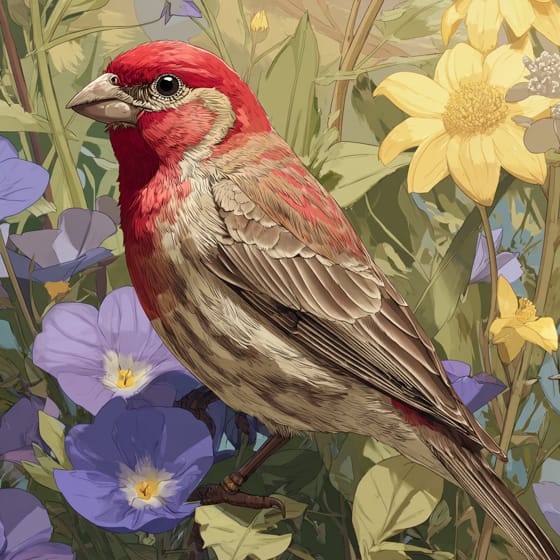
Carpodacus mexicanus
nests in dense leaf crowns
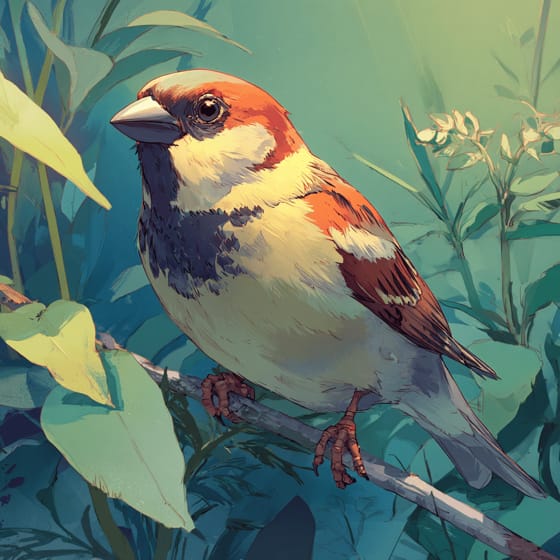
Passer domesticus
builds nests in palm fronds
Social animals live in organized groups, cooperating for survival benefits such as foraging, defense, and raising offspring.
Colorful describes organisms or objects displaying a wide range of bright and distinct colors.
Forest habitats are terrestrial environments dominated by dense tree cover, supporting a high diversity of plant and animal life.
Coastal habitats are dynamic environments located along the interface between land and sea, influenced by tides, waves, and saltwater.

Diurnal animals are primarily active during daylight hours, typically resting or sleeping at night.
Danger
0/5 · No known danger
No special safety notes yet.
The easiest way to identify Fan Palms is to use the Snappit nature identifier app.
1500-2500 cm
300-600 cm
0.5-1.5 cm
Summer
No
None
Perennial
Zoom in to split clusters and explore where this object has been snapped.
Recent snaps will appear here as new observations are added.
Take the discovery with you
Snap it with Snappit to identify it, learn what makes it special, and add the discovery to your collection.








.jpg&width=800)



_001.jpg&width=800)




