





Yellow-shouldered Drone Fly
Eristalis stipator
The Yellow-shouldered Drone Fly is a friendly insect that looks a bit like a bee! It helps flowers grow by spreading pollen while it visits them for food.
Habitat: Urban areas
The Yellow-shouldered Drone Fly is a fuzzy, medium-sized insect with a bee-like appearance, sporting distinctive yellow patches on the sides of its black-haired thorax, resembling 'shoulders'. Its abdomen is banded with alternating yellow and black stripes, and it has large, reddish-brown eyes that nearly meet on top of its head, characteristic of many hoverflies.
Category
InsectsRarity
Common
Danger
1/5 · Very low
Snaps
2
Even though it looks like a bee, this clever fly only has two wings, while real bees have four!
Its babies, called 'rat-tailed maggots,' can live in very murky, polluted water using their long snorkel tail!
Scientists use drone flies to study how real bees pollinate plants because they visit similar flowers.
Their giant eyes let them see almost every direction at once, making them incredibly difficult to sneak up on!
Yellow-shouldered Drone Flies have a black and yellow fuzzy body that helps them mimic bees or wasps, scaring away predators.
Yellow-shouldered Drone Flies can hover perfectly still in the air and change direction instantly, making them hard to catch.
Yellow-shouldered Drone Fly larvae have a long, retractable 'tail' that helps them breathe air while underwater.
Adults sip sweet nectar and pollen from flowers, while their larvae munch on decaying stuff in water.
Age differences: Larvae filter-feed on decaying organic matter in water, while adults feed on nectar and pollen from flowers.
Daucus carota
Adult flies visit and pollinate its flowers.
Rudbeckia hirta
Flies collect nectar and pollen from its blooms.
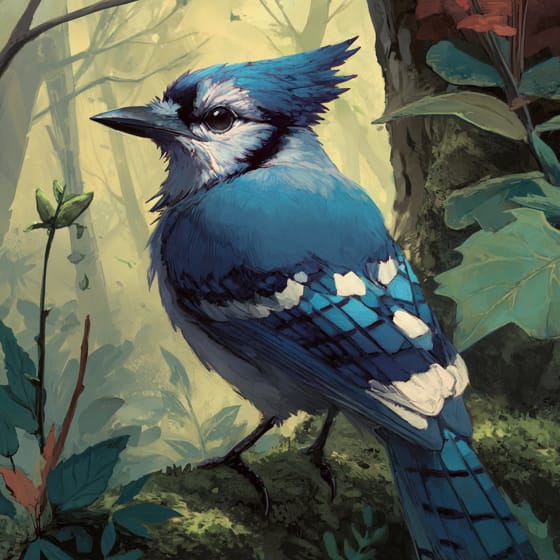
Cyanocitta cristata
Adult flies can be prey for insectivorous birds.
Misumena vatia
Spiders ambush flies visiting flowers.
Furry describes animals possessing a dense covering of soft hair or fur.
Social animals live in organized groups, cooperating for survival benefits such as foraging, defense, and raising offspring.
Aerial creatures spend a significant portion of their lives airborne, utilizing flight for various activities such as hunting, migration, or nesting.
Colorful describes organisms or objects displaying a wide range of bright and distinct colors.

This trait characterizes organisms whose diet consists entirely or primarily of plant material.

Describes plants that are particularly attractive and beneficial to a wide range of pollinating organisms.

Diurnal animals are primarily active during daylight hours, typically resting or sleeping at night.

This habitat trait indicates species that can coexist with humans in urban and suburban environments, utilizing man-made structures and green spaces.

Describes organisms that transfer pollen, enabling the fertilization and reproduction of plants.
No aliases listed yet.
Danger
1/5 · Very low
Don't touch insects without asking an adult, but you can watch them from a distance!
The easiest way to identify Yellow-shouldered Drone Fly is to use the Snappit nature identifier app.
18-28 mm
10-15 mm
20-45 days
15 km/h
Adults sip sweet nectar and pollen from flowers, while their larvae munch on decaying stuff in water.
Urban areas
Foraging
Zoom in to split clusters and explore where this object has been snapped.
Take the discovery with you
Snap it with Snappit to identify it, learn what makes it special, and add the discovery to your collection.







.jpg&width=800)



