.jpg&width=800)





Yellow Velvet Beetle
Lepturobosca chrysocoma
The Yellow Velvet Beetle is a bright yellow bug with a soft, velvety body. It loves to crawl around in gardens and forests, making it a fun find for nature explorers!
Habitat: Forests
The Yellow Velvet Beetle is a strikingly bright yellow insect with a soft, fuzzy texture covering its body, giving it a velvety appearance. It has long, slender black antennae and black legs, often mimicking a bee or wasp.
Category
InsectsRarity
Common
Danger
1/5 · Very low
Snaps
Be the first to snap!
Its larva lives hidden inside decaying wood for several years before transforming into an adult!
Some people mistake this harmless beetle for a fuzzy bee or wasp because of its amazing disguise!
The scientific name 'chrysocoma' means 'golden hair,' perfectly describing its fuzzy yellow body.
Unlike the adults, this beetle's larvae are wood-eaters, helping recycle dead trees in forests.
Yellow Velvet Beetle can deter predators by looking like a stinging bee, even though it is harmless.
Yellow Velvet Beetle has fuzzy hairs that help them carry pollen between flowers, aiding plant reproduction.
Yellow Velvet Beetle has long, sensitive antennae that help them detect flowers and potential mates from afar.
Adults enjoy pollen and nectar from flowers, while their larvae munch on decaying wood, recycling nutrients.
Age differences: Larvae are detritivores, feeding on decaying wood; adults are herbivores, consuming pollen and nectar.
Rudbeckia hirta
Helps spread pollen between their flowers.
Solidago canadensis
Feeds on its pollen and nectar.
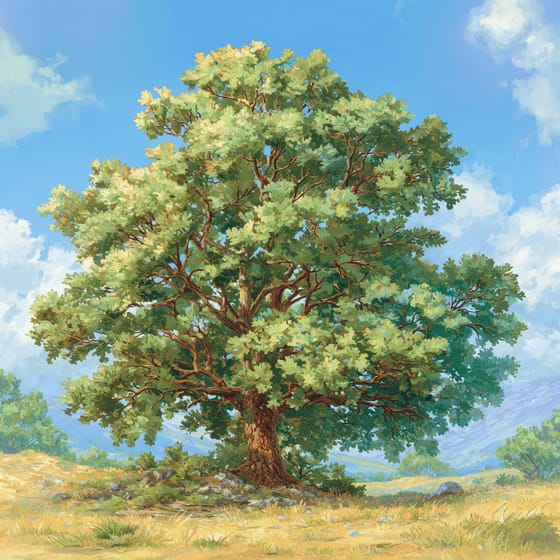
Quercus alba
Larvae develop within its decaying wood.
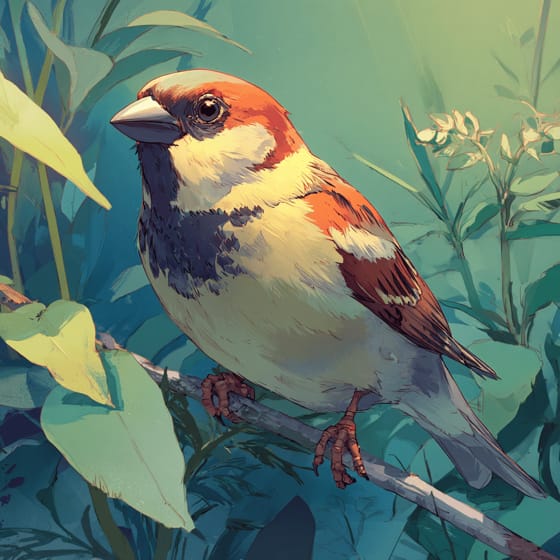
Passer domesticus
A common bird predator.
Furry describes animals possessing a dense covering of soft hair or fur.
Solitary animals live alone for most of their lives, only interacting with others for mating or parental care.
Colorful describes organisms or objects displaying a wide range of bright and distinct colors.
This trait characterizes organisms whose diet consists entirely or primarily of plant material.

Describes plants that are particularly attractive and beneficial to a wide range of pollinating organisms.

Forest habitats are terrestrial environments dominated by dense tree cover, supporting a high diversity of plant and animal life.

Diurnal animals are primarily active during daylight hours, typically resting or sleeping at night.

Describes organisms that transfer pollen, enabling the fertilization and reproduction of plants.
No aliases listed yet.
Danger
1/5 · Very low
It's best to look at beetles without touching them, as they can be delicate.
The easiest way to identify Yellow Velvet Beetle is to use the Snappit nature identifier app.
20-35 mm
8-15 mm
30-60 days
5-10 km/h
Adults enjoy pollen and nectar from flowers, while their larvae munch on decaying wood, recycling nutrients.
Forests
Foraging
Zoom in to split clusters and explore where this object has been snapped.
Recent snaps will appear here as new observations are added.
Take the discovery with you
Snap it with Snappit to identify it, learn what makes it special, and add the discovery to your collection.






.jpg&width=800)


