_sp._-_a_small_species_of_carpenter_bee_-_Flickr_-_S._Rae.jpg&width=800)





Zadontomerus
Zadontomerus
Zadontomerus is a special kind of insect that loves to explore flowers and plants. They have unique shapes and colors that help them blend in with their surroundings.
Habitat: Gardens
The Zadontomerus is a small, robust insect often sporting a brilliant metallic sheen, ranging from iridescent green to coppery red. Its unique appearance includes distinctive thorny projections along its back and legs, setting it apart from other common beetles.
Category
InsectsRarity
Common
Danger
1/5 · Very low
Snaps
2
Some Zadontomerus glow softly in the dark like tiny living jewels!
Their babies, called nymphs, shed their skin many times to grow!
They drink tiny dew drops from leaves to stay hydrated on hot days!
Zadontomerus have eyes with thousands of tiny lenses for a super-wide view!
Zadontomerus can shift its body color slightly to blend perfectly, helping them hide from predators.
Zadontomerus has powerful mandibles that allow it to chew tough plant stems, helping them access food.
Zadontomerus has sharp, thorn-like spines on its exoskeleton that deter birds and other predators.
Zadontomerus mostly eats plants, munching on leaves and stems with its strong mouthparts.
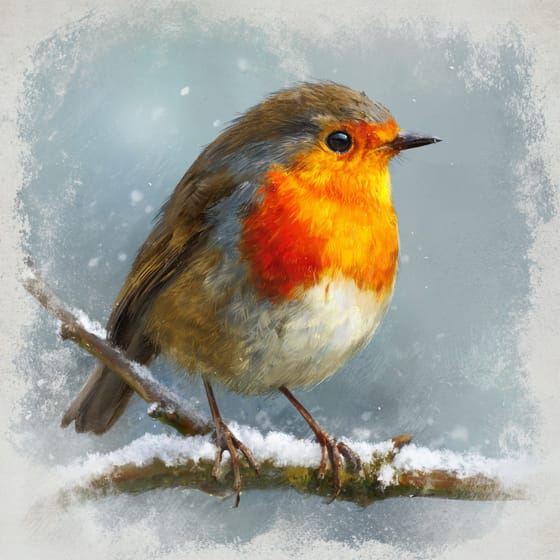
Erithacus rubecula
a nutritious snack for young birds
Rosa canina
chews on its tender leaves

Pteridium aquilinum
hides among fronds
Solitary animals live alone for most of their lives, only interacting with others for mating or parental care.
Camouflaged describes organisms that possess coloring or patterns that allow them to blend into their environment.
Colorful describes organisms or objects displaying a wide range of bright and distinct colors.
This trait characterizes organisms whose diet consists entirely or primarily of plant material.

Describes plants that are particularly attractive and beneficial to a wide range of pollinating organisms.

Diurnal animals are primarily active during daylight hours, typically resting or sleeping at night.

This habitat trait indicates species that can coexist with humans in urban and suburban environments, utilizing man-made structures and green spaces.

Describes organisms that transfer pollen, enabling the fertilization and reproduction of plants.
No aliases listed yet.
Danger
1/5 · Very low
Insects are usually safe, but it's best to watch them from a distance and not touch them.
The easiest way to identify Zadontomerus is to use the Snappit nature identifier app.
10-30 mm
5-15 mm
30-90 days
8 km/h
Zadontomerus mostly eats plants, munching on leaves and stems with its strong mouthparts.
Gardens
Foraging
Zoom in to split clusters and explore where this object has been snapped.
Take the discovery with you
Snap it with Snappit to identify it, learn what makes it special, and add the discovery to your collection.








.jpg&width=800)



