Snappit logo
Snappit
Get App
Generic illustration, not a photograph of this venueIllustration
ParkChubu, Japan

Chuo Alps Quasi-National Park

Senjojiki gives you a close view of the Central Alps before you have walked any mountain trail.

About

Senjojiki gives you a close view of the Central Alps before you have walked any mountain trail. The Komagatake Ropeway arrives beside the cirque at about 2,612 m, with the crags of Mount Hoken rising above its basin. In summer, flowers soften the ground below the rock wall; in clear weather, the outlook towards the Southern Alps gives the day a second mountain panorama.

A cirque is a bowl carved by a glacier. Here, the broad hollow and steep headwall help you picture ice working on the mountainside around 20,000 years ago. Look for the difference between the rocky upper slopes and the greener basin rather than trying to reach the skyline. You can appreciate that shape from beside the upper station or the hotel’s viewing areas.

For a modest walking day, choose the marked Senjojiki sightseeing circuit after checking conditions with staff. The operator gives about 45 minutes for a complete loop; allow an hour to an hour and a half with pauses. It passes the small Kengaike Pond and the junction where the Hacchozaka mountain trail heads uphill. Stay on the cirque loop at that junction. The path is rough and sloping, and the official map marks a steep section near the hotel on the pond side. It suits walkers who are comfortable with uneven ground, rather than anyone seeking a level promenade.

Let the plants set a slow pace. Yellow buttercups, small yellow violets and white chinguruma flowers are among the cirque’s summer interest. Later, the chinguruma’s feathery seed heads make a completely different picture. Keep to the path even where there is no rope: the apparently empty ground between plants is part of the protected habitat too.

The ride saves a long ascent, but it brings you rapidly into high-altitude weather. Take a quiet pause on arrival, assess how everyone feels and choose a smaller visit if needed. A café stop and a look at the cirque can be the whole outing. If snow, ice, poor visibility or strong wind make the outdoor path unsuitable, do not try to finish the loop. The walk is normally unavailable from December through June because of snow, and snow can arrive earlier in autumn.

This is one small visit within Chuo Alps Quasi-National Park, which stretches across Nagano’s Central Alps. The ascent of Kiso-Komagatake, the routes towards Gokurakudaira and the rocky ridges need their own hiking plan. They are not extensions to add casually to a family flower walk. Keep the day centred on the cirque, with enough time and energy for both the ropeway and bus journey back. Eager to name that creature? Identify any animal you find during your visit using the Snappit app.

Chuo Alps became a quasi-national park on 27 March 2020, succeeding the prefectural park. The protected landscape includes glacial landforms and alpine habitats, with stronger protection around Senjojiki and the Kiso-Komagatake area. The ropeway opened in July 1967, long before the current designation, and changed how visitors could reach this high mountain setting.


What to do here

Ride up, pause at the station, then choose between the marked cirque circuit and a shorter visit around the hotel viewing areas. Look at the glacial bowl, compare a few flowers from the path and leave time for the return journey.

Seasonal info

The sightseeing path is normally unavailable December–June because of snow. Early summer can still be a snow outing; autumn snow may arrive by mid-October. A running ropeway does not mean the walking circuit is open. Winter climbing is a separate mountaineering activity.

Accessibility

The bus and ropeway need advance planning for wheelchair users: mountain buses have steps, station access includes stairs, and staff assistance must be arranged. The operator says the unlevel cirque path is difficult for wheelchairs. A station-based visit may be possible with assistance; confirm your needs before travelling.

Don't miss

1

The glacier-shaped bowl beneath Mount Hoken

2

Summer alpine flowers seen from the marked cirque path

3

Kengaike Pond on the conditional sightseeing circuit

4

Mountain views from the upper station and hotel viewing areas

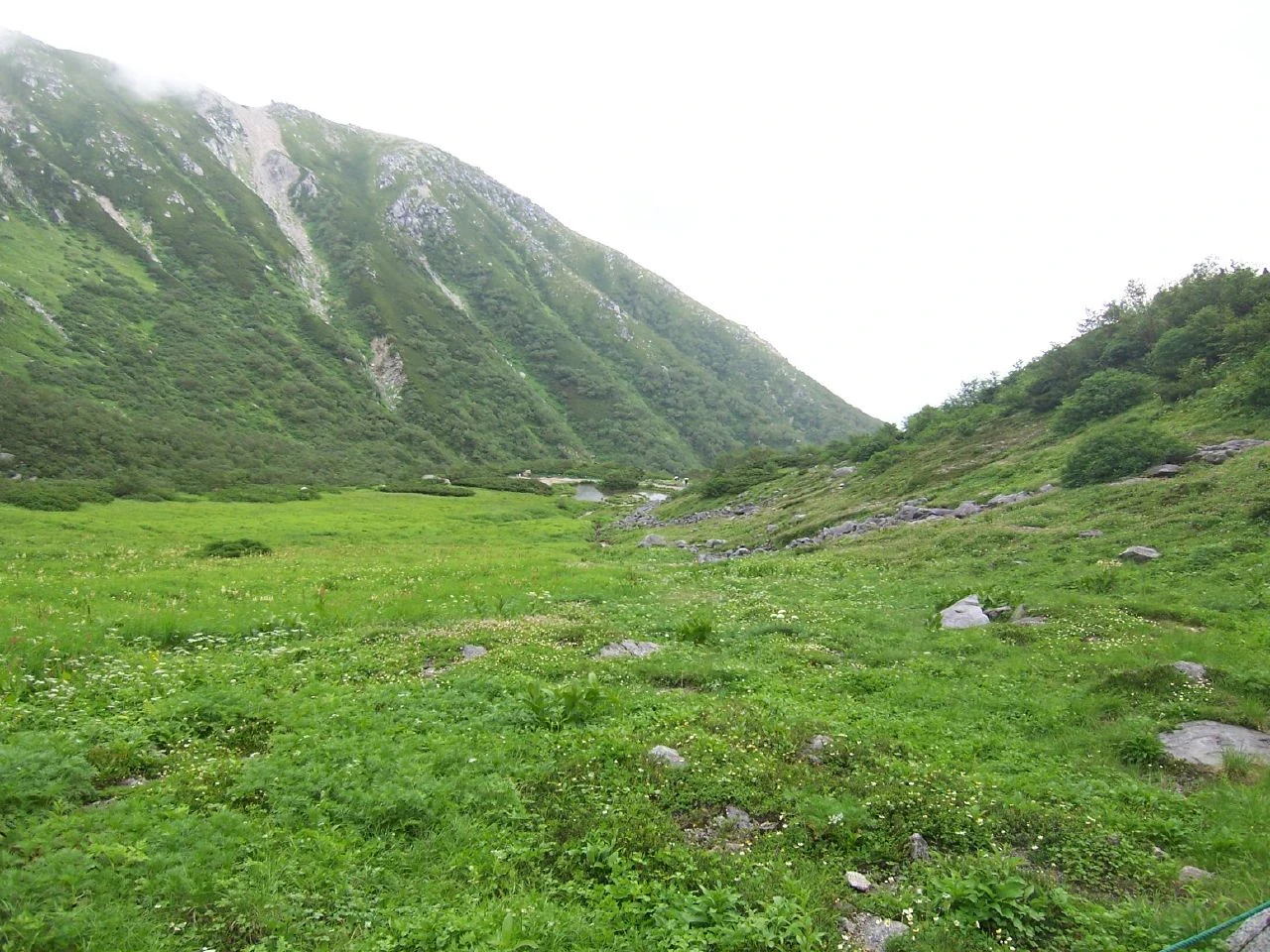
Green vegetation and scattered rocks fill a mountain basin beneath a steep, partly cloud-covered wall.

Summer vegetation fills Senjōjiki Cirque beneath steep rocky slopes, photographed in August 2009.

Senjōjiki Cirque 02.jpg — Hajime NAKANO, CC BY 2.0 (https://creativecommons.org/licenses/by/2.0/). Source: https://commons.wikimedia.org/wiki/File:Senj%C5%8Djiki_Cirque_02.jpg. Proportionally resized to a maximum 2000-pixel long edge without upscaling; recompressed as WebP quality 92, method 6. No crop, added text, colour adjustment or retouching. Original retained only as evidence; EXIF omitted from derivative. · Creative Commons

Walks and routes

Senjojiki sightseeing circuit

From the station and hotel, follow the signed sightseeing circuit past the shrine area to the Hacchozaka junction. Keep to the loop towards Kengaike Pond and return to the hotel. Use the current signs and staff advice for direction and any diversions. The mapped section between pond and hotel is steep; turn back early if the surface or effort does not suit you.

Rough, unlevel mountain ground with slopes. The operator describes wheelchair movement on the circuit as difficult. Do not plan to push a wheelchair or stroller around it.

Senjojiki sightseeing circuit

A summer half-day with the circuit

At Suganodai, check the transport and walking conditions before boarding. Ride the bus and ropeway, then pause on arrival. If everyone feels well and the circuit is suitable, give it 60–90 minutes with flower and photo stops. Add a drink or meal if time allows, then descend well before the last connections.

Allow 4–5 hours from Suganodai and back, longer if busy

A smaller mountain visit

Use the upper station and hotel as your destination. Choose a view from the café or the permitted outdoor viewing area, have a break and return without attempting the loop. Ask beforehand about step assistance if needed. If altitude makes anyone unwell, descend rather than prolonging the café stop.

Around 1–2 hours at the top, plus transport and waiting

Things to try

Read the shape of the mountain

Find the steep rock wall, the hollow beneath it and the change to gentler ground. Imagine the glacier occupying the bowl. A photo from a designated viewing area is a good way to compare those shapes later without leaving the path.

Follow a flower through the seasons

Look for chinguruma: white flowers in its summer phase, then fine, feathery seed heads later. Try photographing the two forms on different visits. Seasonal timing varies, so enjoy whichever stage is present.

Give the view some time

If the facilities are open and transport remains reliable, pause at 2612 Café & Restaurant. Its large windows face the cirque. The outdoor SO・RA・TO・KI terrace is another option when staff say conditions are suitable; it is exposed to the weather.

Already at Senjojiki

If the circuit is unsuitable but the transport is running, stay in the station/hotel visitor areas, ask staff about the return service and use the café if open. Descend early when advised. Do not wait outside for a view in worsening conditions.

Stay in town instead

If the mountain forecast or service notices are poor, postpone the ascent. Komagane City Museum in the General Cultural Center is an indoor alternative about ten minutes on foot from JR Komagane Station. It covers local history, archaeology and art. Published hours are 09:00–17:15; Mondays are usually closed, moving to the next day when Monday is a holiday, with a year-end/New Year closure. Check its current programme before going.

Wildlife and habitats

Low-growing pine

Haimatsu, the local dwarf pine, forms low evergreen patches around the cirque landscape. Compare its dark, needle-like foliage with the softer flowering plants. Look from the path rather than stepping into the scrub.

Glossy yellow buttercups

Miyama-kinpoge is one of the cirque’s yellow summer flowers. Look for a glossy flower and finely divided leaves. Several unrelated flowers here are yellow, so use the operator’s illustrated plant guide before deciding what you have found.

A violet that blooms yellow

Kibana-no-komanotsume is a small yellow violet documented in the cirque, usually flowering in July and August. Its petals carry dark lines, while the leaves are rounded and heart-shaped. A closer look from the path reveals details easily missed in the larger flower displays.

Flowers change quickly with snowmelt and season. Use these as things to look for rather than a checklist to complete. Observe from the path, avoid touching or picking, and give any wildlife plenty of room.

Stories and discoveries

The rock is older than the glacial bowl

The local geology guide distinguishes the old granitic bedrock from the much younger glacier-shaped landforms. The glacier carved the landscape; it did not create the rock itself.

Protection follows the fragile ground

The Senjojiki–Kiso-Komagatake area includes a special protection zone. Staying on the path protects plants and the landforms around them, even where there is no rope beside the walking surface.

When to visit

Summer flowers

Aim for mid-July through August for the flower-focused circuit, with the exact display following snowmelt. Check that the whole path is open. Cool air, bright sun and a changing forecast still require layers, water and rainwear.

Early autumn colour

Senjojiki’s colour often comes in late September to early October, before the lower ropeway and bus sections. Watch the current foliage report rather than booking around a fixed peak date. Cold mornings and the possibility of early snow can change a walking plan.

Winter and spring

Keep the snow-covered cirque separate from the summer walk. The normal circuit is unavailable December–June, while the steeper mountain routes require winter skills and equipment. The operator’s April 2026 warning describes rescues after inadequately equipped walkers became unable to descend Hacchozaka. A scenic ride is no reason to enter that terrain.

Getting there and practical advice

2612 Café & Restaurant

At Hotel Senjojiki beside the upper station. Published café hours are 08:30–16:30 in summer and 09:30–15:30 in winter; meals finish earlier, at 15:30 and 14:30 respectively. Check seasonal dates and special notices. Bring water and a snack so your day does not depend on a meal being available.

Toilets and lockers

The operator lists wheelchair-accessible toilets at Suganodai Bus Center and both ropeway stations. Coin lockers are listed at Suganodai, Shirabidaira and Hotel Senjojiki. Confirm the facilities and access route you need before travelling.

From JR Komagane Station

Take the mountain bus for Shirabidaira, then transfer to the Komagatake Ropeway for Senjojiki. Allow about 45–50 minutes for the bus and about 7½ minutes for the ropeway, before queues and transfers. The official access page says the outbound bus fare from JR Komagane is paid in cash on board.

Driving to Suganodai

Park at Suganodai Bus Center, near Komagane Interchange, and take the roughly 30-minute bus ride to Shirabidaira. Ordinary private vehicles are prohibited beyond Kurokawadaira; do not set your satnav to drive all the way to the ropeway station. The main Suganodai car park is listed at ¥800 per ordinary car per day, checked 16 October 2026.

Choose the day before choosing the fare

Ropeway prices and first/last departures change by date. Check the dated calendar and both directions; winter services are less frequent. Leave a generous return margin, especially in flower and autumn-colour season. A ticket does not remove the need to queue.

Arrange the bus and station assistance

Call 0265-83-3107 before travel. Wheelchair boarding with a ramp and staff is available only at Suganodai Bus Center and Shirabidaira, with one secured wheelchair per bus. The operator lists 37 stairs at Shirabidaira station and 17 at Senjojiki; discuss its assistance method and your chair’s needs.

Separate reaching the station from walking the cirque

The unlevel outdoor circuit is difficult for wheelchairs, and the official map marks a steep pond-side section. Ask which station, hotel and viewing areas you can use with your mobility aid. Do not assume the whole journey or terrace connection is independently step-free.

Altitude changes the day

The ropeway gains height quickly. Rest on arrival and keep the first activity gentle. If you develop a headache, nausea, dizziness or unusual weakness, stop, tell staff and seek help arranging descent; do not go higher. Get medical advice before travel if you are concerned about how altitude may affect an existing condition.

Choose your turnaround early

Strong wind, lightning, fog, snow and ice can end the outdoor plan. Check the mountain forecast and staff advice rather than judging conditions by the valley weather. Keep the steep Hacchozaka, Gokurakudaira and summit routes for a separately prepared mountain day.

Leave the cirque intact

Stay within the paths and permitted viewing areas. Do not collect plants, insects or stones, feed animals or leave food scraps. If you encounter wildlife, give it space and let it move away; never follow it into the vegetation.

Visitor information

Autumn 2026 update

The operator’s 13 October 2026 report says most Senjojiki foliage had fallen, with colour then concentrated along the ropeway. Ask about ice, snow and the circuit’s condition on the day you travel, especially after a cold night.

Scheduled transport shutdowns

The published 2026/27 calendar marks ropeway closures on 1–6 December 2026 and 27 January–4 February 2027. During those shutdowns, buses run only between JR Komagane and Komaganebashi, not to Shirabidaira. Check again for additional weather or maintenance changes.

4 November 2026 café restriction

Restaurant seating at Hotel Senjojiki is unavailable from 08:00 until approximately 14:00 for an event, and the lounge is affected too. Full meals begin at 14:00 that day; limited drinks and light food use designated free-space seating. Plan a different meal stop if this conflicts with your return journey.

Sources and useful links

Wildlife you might spot

3

Each card links to a full Explore page with photos, traits, and fun facts.

Snap map for this place

Start with the big picture, then zoom in to explore individual wildlife observations around this place.

Loading map…

Good to know before you go

Check the dated operating calendar, mountain weather and path condition before buying tickets; confirm both return connections.

At the Hacchozaka junction, stay on the sightseeing circuit. The steep ascent above it is a mountain trail.

Wear shoes with good grip and carry rainwear, a warm layer, water, a snack and sun protection.

Take your time after the rapid ascent. If anyone feels unwell, stop walking and speak to staff rather than continuing uphill.

Private cars cannot reach Shirabidaira ropeway station. Park at Suganodai and change to the bus.

Use the toilets at the stations before the circuit, and keep time in reserve for queues on the way down.

Stay on the path, leave flowers and rocks in place, keep food secure and take every scrap of rubbish away.

Arrange wheelchair assistance in advance on 0265-83-3107. Pets are not allowed on the mountain bus or ropeway; ask about assistance-dog arrangements.

Frequently asked questions

Yes. The ropeway brings you to Senjojiki station, and you can keep the visit around the hotel viewing areas. The outdoor circuit is optional and has uneven ground and a steep section.
No. It requires steady footing on a rough, sloping path at high altitude. Snow, ice or bad weather may make it unsuitable even when the transport is running. Ask staff before setting out.
Drive to Suganodai Bus Center, then take the bus to Shirabidaira. The approach road above Kurokawadaira is closed to ordinary private vehicles.
Yes. From JR Komagane Station on the Iida Line, take the bus bound for Shirabidaira and change to the Komagatake Ropeway. Check the dated timetable and last return connection.
It operates through the year except for scheduled shutdowns and weather or other interruptions. That does not keep the summer path open: an ordinary winter visit should stay within the areas staff say are suitable.
Budget for the mountain bus and ropeway, plus parking if driving and any food. Ropeway fares vary by date. Use the operator’s current fare calendar rather than a single year-round ticket price.
Treat it as a separate hike. The operator lists about four hours return from the hotel to the summit, with the steep Hacchozaka climb along the way. That is additional to the bus, ropeway and queues.

Recent snaps at this place

Recent snaps will appear here as new observations are added.

View all ›

Take the discovery with you

Exploring Chuo Alps Quasi-National Park?

Identify the wildlife you spot, learn as you go, and keep a collection of the adventure.

  1. 1Spot it
  2. 2Snap it
  3. 3Keep the discovery