




May 22, 2026
i
Photo attribution
(c) Anna Hess, some rights reserved (CC BY)
License: CC BY 4.0 ↗
Image may be shown cropped inside the card frame.

Bat Cave and Cascade Caverns State Nature Preserves offer a unique glimpse into Kentucky's subterranean wonders.
Bat Cave and Cascade Caverns State Nature Preserves offer a unique glimpse into Kentucky's subterranean wonders. Located within the expansive Carter Caves State Resort Park, these preserves protect critical habitats and rare species, making them invaluable natural treasures. Visitors can explore a world sculpted by water over millennia, featuring dramatic cave systems, impressive natural bridges, and unique plant life thriving in special microclimates.
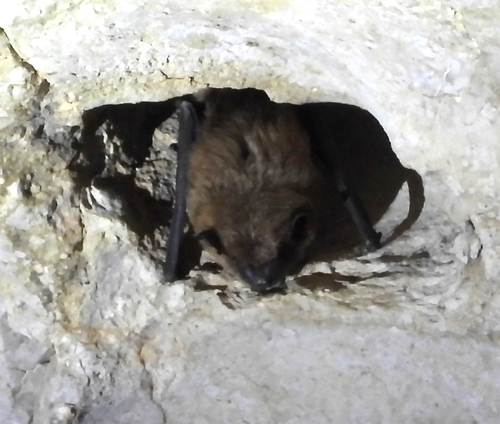
The preserves are a haven for biodiversity, notably safeguarding the federally endangered Indiana bat (Myotis sodalis), with wintering populations sometimes reaching 28,000 in Bat Cave alone. Above ground, the cooler air flowing from the caverns creates ideal conditions for rare flora such as the mountain maple (Acer spicatum) and Canadian yew (Taxus canadensis), typically found much further north. The dramatic karst landscape also boasts numerous natural bridges and arches like Smokey Bridge and Cascade Bridge, alongside intriguing geological formations within the caves, such as stalactites, stalagmites, and underground waterfalls.
Visiting these preserves offers an immersive experience into the delicate balance of nature and conservation. Whether hiking through lush forests to discover hidden arches or embarking on guided cave tours to witness ancient formations, the sheer geological diversity and the presence of rare, protected species make this a memorable destination for nature enthusiasts and adventurers alike. It’s a place where every turn reveals the Earth's intricate artistry and the importance of preserving these irreplaceable natural wonders. Explore the grounds like a pro—download the Snappit app to instantly identify animals and plants.
Dedicated on December 16, 1981, the Bat Cave and Cascade Caverns State Nature Preserves were established to protect vital ecological resources. The dedication of Bat Cave into the nature preserves system was specifically for the safeguarding of the federally endangered Indiana bat, which uses the cave as a crucial winter hibernaculum. The Cascade Caverns portion of the preserve was designated to protect two rare plant species, the mountain maple and the Canadian yew, both uncommon in Kentucky and found thriving in the cool, moist conditions created by the caverns. These preserves are integral parts of the larger Carter Caves State Resort Park, which was created in 1946 when 945 acres were donated to the Commonwealth of Kentucky, with additional land acquisitions bringing the total to some 2,000 acres.
Take a guided tour of Cascade Cave or X-Cave for impressive geological formations.
* Experience a "wild" caving tour of Bat Cave or Saltpetre Cave during the summer (expect to get wet and muddy).
* Hike the numerous trails (over 30 miles in Carter Caves State Park) to discover natural bridges, arches, and scenic overlooks. Popular trails include the Three Bridges Trail, Box Canyon Trail, and Horn Hollow Trail.
* Engage in birding, geological study, or general nature observation.
Fall/Winter (October-May): Caves are generally closed for bat hibernation, but hiking trails remain open year-round. Expect cooler temperatures and potentially snow/ice.
Spring/Summer (May-September): All cave tours are available, including "wild" tours. The forest is lush, and wildflowers may be in bloom in spring. Weather is warmer, but caves maintain a cool, constant temperature.
While the overall Carter Caves State Resort Park offers various facilities, including a lodge and campground, the nature preserves and "wild" cave tours can be physically demanding. Guided tours of Cascade Cave and X-Cave are more developed. Some hiking trails can be hilly and difficult. Wheelchair accessibility for specific cave tours is not explicitly mentioned for these preserves, though Mammoth Cave National Park nearby offers some accessible tours for comparison. Call the Carter Caves State Resort Park welcome center for specific accessibility questions.
A critical hibernaculum for the endangered Indiana bat. Seasonal "wild" tours are offered in summer, requiring crawling and expecting to get muddy.
Features large chambers, unique rock formations, an underground lake room, and a 30-foot underground waterfall. Guided tours are available year-round.
Known for its impressive and large rock formations, including stalactites, stalagmites, columns, draperies, flowstone, and the "Giant Stalactite". Guided tours are available year-round.
Explore several natural bridges like Smokey Bridge (the largest in Kentucky), Carter Caves Natural Bridge, Fern Bridge, Raven Arch, and Cascade Bridge via various hiking trails.
Each card links to a full Explore page with photos, traits, and fun facts.
We are still adding species preview cards for this place.
Start with the big picture, then zoom in to explore individual wildlife observations around this place.
Check Cave Tour Schedules
Always verify the latest cave tour availability and times, especially for Bat Cave, which is seasonal and has specific "wild" tour requirements.
Dress for Adventure
For "wild" cave tours, expect to get wet and muddy; wear old clothes, sturdy closed-toe shoes, and potentially bring a change of clothes. Helmets, headlamps, and kneepads are often provided for these tours.
Bring a Flashlight
Even on guided tours, a personal flashlight can enhance your viewing of cave formations, and it's a requirement for independent exploration of some undeveloped caves (with a permit).
Stay on Marked Trails
To protect the delicate ecosystem and for your safety, always remain on designated hiking trails and follow guidance from park rangers during cave tours.
Respect Bat Hibernation
Be aware that the caves are closed during bat hibernation season (October to May) to protect the endangered Indiana bats from disturbance, which can be fatal.
Visit the Carter Caves State Resort Park Welcome Center: This is the hub for tickets, permits, maps, and up-to-date information on all cave tours and trail conditions within the preserves and the larger state park.
May 22, 2026
Photo attribution
(c) Anna Hess, some rights reserved (CC BY)
License: CC BY 4.0 ↗
Image may be shown cropped inside the card frame.
May 21, 2026
Photo attribution
(c) Anna Hess, some rights reserved (CC BY)
License: CC BY 4.0 ↗
Image may be shown cropped inside the card frame.
May 6, 2026
Photo attribution
(c) Anna Hess, some rights reserved (CC BY)
License: CC BY 4.0 ↗
Image may be shown cropped inside the card frame.
May 6, 2026
Photo attribution
(c) Anna Hess, some rights reserved (CC BY)
License: CC BY 4.0 ↗
Image may be shown cropped inside the card frame.
May 6, 2026
Photo attribution
(c) Anna Hess, some rights reserved (CC BY)
License: CC BY 4.0 ↗
Image may be shown cropped inside the card frame.

Maryland, US
You might spot White-Tailed Deer and Eastern Gray Squirrel.
View guide →
.jpg)
District of Columbia, US
You might spot Eastern Gray Squirrel, Duck, and House Sparrow.
View guide →

Illinois, US
You might spot American Robin, Canada Goose, and House Sparrow.
View guide →

Virginia, US
You might spot Spotted Lanternfly and Northern Cardinal.
View guide →
Take the discovery with you
Identify the wildlife you spot, learn as you go, and keep a collection of the adventure.