





Fragile Forktail
Ischnura posita
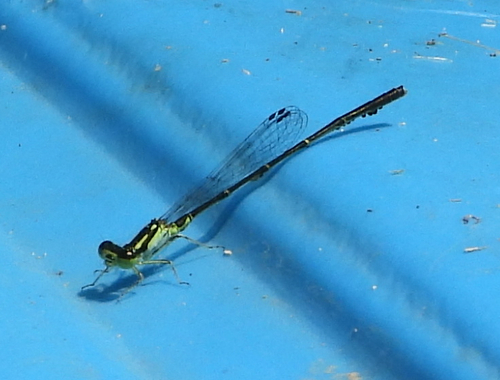
The Fragile Forktail is a tiny dragonfly that loves to flutter around ponds and streams. With its delicate wings and bright colors, it’s a beautiful sight to see as it dances in the air.
Habitat: Wetlands
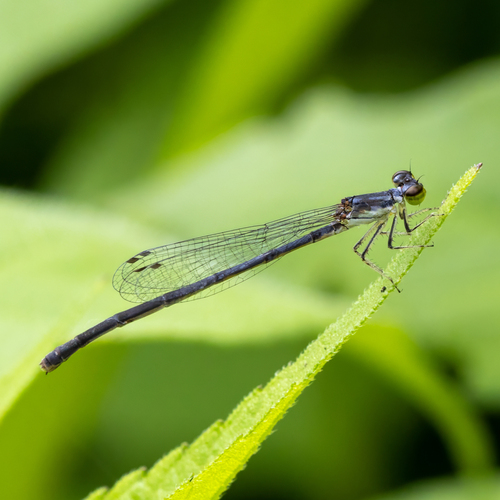
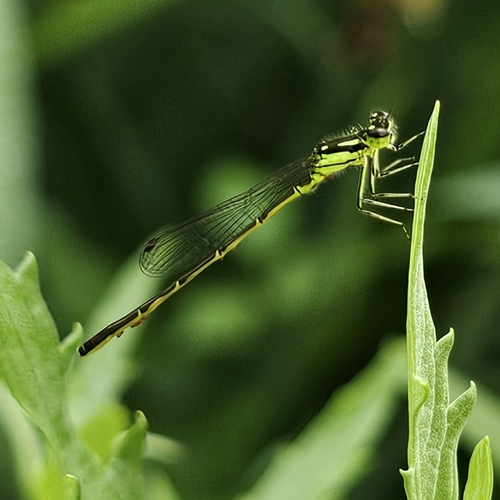
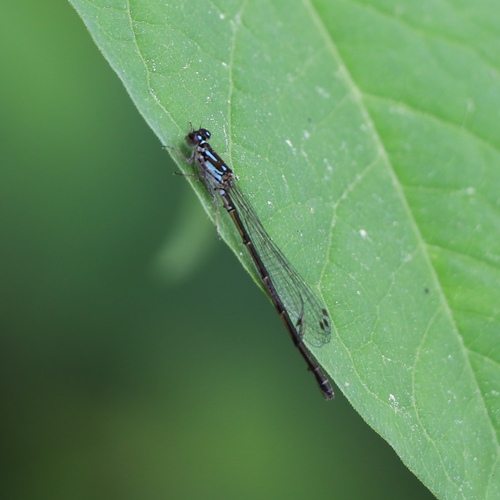
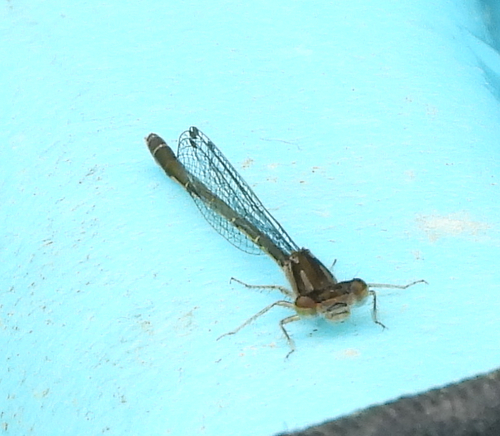
The Fragile Forktail is a tiny damselfly, usually sporting a slender black body with bright blue or green markings. It features a distinctive 'forked' tail-tip in males, which helps differentiate it from similar small damselflies.
Category
InsectsRarity
Common
Danger
1/5 · Very low
Snaps
62
Male Fragile Forktails have a unique 'fork' or 'exclamation mark' shape on their tail!
Their babies, called nymphs, live entirely underwater and breathe with gills!
They often rest with their wings folded together over their back, unlike true dragonflies!
They spend most of their lives as nymphs, only flying as adults for a few short weeks!
Fragile Forktail has huge compound eyes that help them spot tiny flying prey from many directions at once.
Fragile Forktail can hover and dart quickly in mid-air because of its four independently moving wings, helping it catch fast-moving insects.
Fragile Forktail has a slender body and muted colors that help it blend into waterside plants, surprising unsuspecting prey.
Fragile Forktail larvae can breathe underwater using special gills, helping them hunt other small water creatures before becoming adults.
This tiny hunter loves to eat even tinier flying insects, keeping the air clear!
Age differences: Nymphs hunt aquatic insects, while adults catch flying bugs in the air.
Culex pipiens
Adults help control mosquito populations.
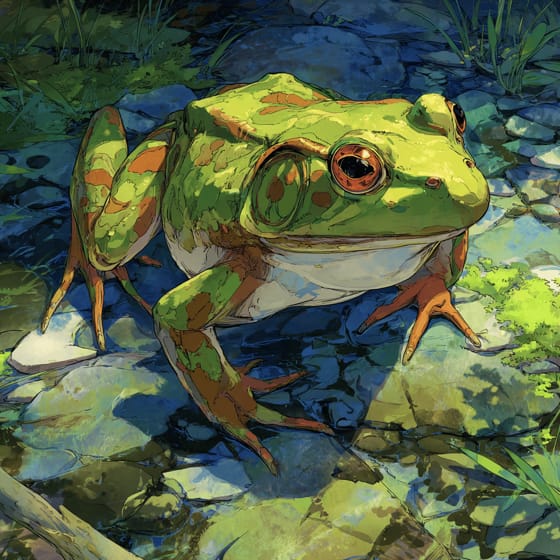
Rana catesbeiana
Adults and nymphs are a snack for frogs.
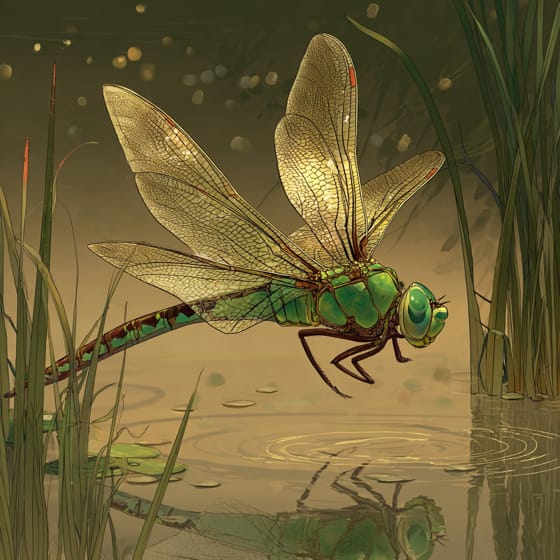
Anax junius
Larger dragonflies sometimes prey on them.
Typha latifolia
Nymphs hide among the roots and stems of aquatic plants.
Aerial creatures spend a significant portion of their lives airborne, utilizing flight for various activities such as hunting, migration, or nesting.
Colorful describes organisms or objects displaying a wide range of bright and distinct colors.
This trait identifies organisms whose diet primarily consists of insects and other small invertebrates.
This habitat trait identifies species found in wetlands, which are areas of land saturated with water, either permanently or seasonally, including marshes, swamps, and bogs.

Diurnal animals are primarily active during daylight hours, typically resting or sleeping at night.

Freshwater habitats include non-saline aquatic environments such as rivers, lakes, ponds, and wetlands, vital for numerous species.

Pertaining to species that are significantly smaller than typical or average for their kind.

This trait identifies organisms that exhibit exceptional swiftness in movement for hunting, escape, or travel.

Describes organisms that transfer pollen, enabling the fertilization and reproduction of plants.
No aliases listed yet.
Danger
1/5 · Very low
Be gentle and quiet when watching dragonflies so you don't scare them away.
The easiest way to identify Fragile Forktail is to use the Snappit nature identifier app.
25-35 mm
18-28 mm
20-60 days
5-10 km/h
This tiny hunter loves to eat even tinier flying insects, keeping the air clear!
Wetlands
Pursuit
Zoom in to split clusters and explore where this object has been snapped.
Jun 20, 2026
Fairlie-PoplarPhoto attribution
(c) Dan Vickers, some rights reserved (CC BY)
License: CC BY 4.0 ↗
Image may be shown cropped inside the card frame.
Jun 15, 2026
Rockdale Common Housing DistrictPhoto attribution
(c) Betsy Lambert, some rights reserved (CC BY)
License: CC BY 4.0 ↗
Image may be shown cropped inside the card frame.
Jun 6, 2026
Hocking Valley Scenic Railway Historic DistrictPhoto attribution
(c) Anna Hess, some rights reserved (CC BY)
License: CC BY 4.0 ↗
Image may be shown cropped inside the card frame.
May 31, 2026
Oakland Avenue Historic DistrictPhoto attribution
no rights reserved
License: CC0 1.0 ↗
Image may be shown cropped inside the card frame.
May 6, 2026
Bat Cave and Cascade Caverns State Nature PreservesPhoto attribution
(c) Anna Hess, some rights reserved (CC BY)
License: CC BY 4.0 ↗
Image may be shown cropped inside the card frame.

Ohio, US
You might spot Widow Skimmer, Eastern Pondhawk, and Bee.
View guide →

Tennessee, US
You might spot American Robin, Northern Cardinal, and Eastern Chipmunk.
View guide →

South Carolina, US
You might spot Joro Spider, Pickerelweed, and Great Blue Heron.
View guide →

Georgia, US
You might spot Eastern Gray Squirrel, Domestic Cat, and American Robin.
View guide →

Wisconsin, US
You might spot White-Tailed Deer, American Robin, and Canada Goose.
View guide →

Arkansas, US
You might spot Water Tupelo, Banded Watersnake, and Prothonotary Warbler.
View guide →
Take the discovery with you
Snap it with Snappit to identify it, learn what makes it special, and add the discovery to your collection.








.jpg&width=800)



