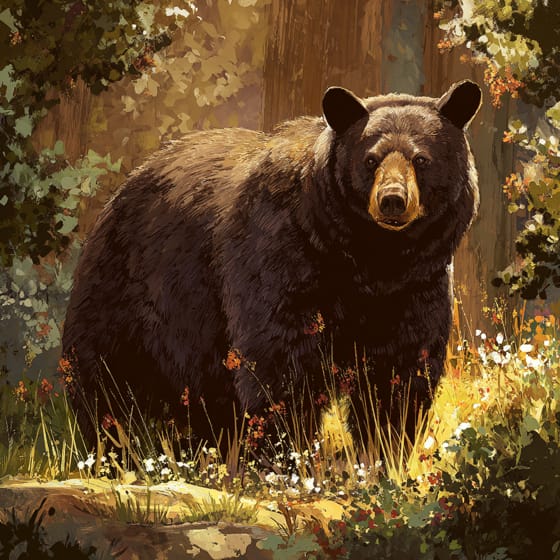
Black Bear
The California Living Museum (CALM) offers a captivating journey into the diverse ecosystems of the Golden State, nestled in the heart of Bakersfield.
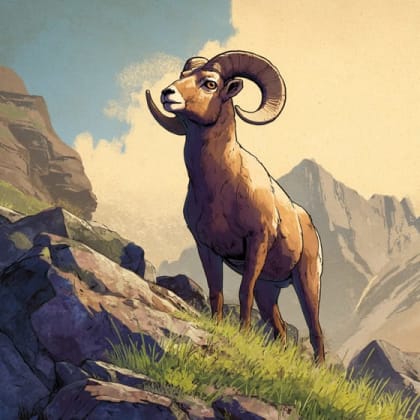
The California Living Museum (CALM) offers a captivating journey into the diverse ecosystems of the Golden State, nestled in the heart of Bakersfield. More than just a zoo, CALM serves as a unique zoobotanic garden, natural history museum, and vital wildlife rehabilitation center, dedicated to displaying and interpreting native California animals, plants, fossils, and artifacts. It's a sanctuary for over 200 medically unreleasable animals, representing more than 80 native species that cannot survive in the wild due to injury or other circumstances. Visitors to CALM can expect an immersive and educational outdoor experience, wandering through 14 acres of naturalistic habitats designed to reflect California's varied landscapes, from mountains to deserts. Encounter iconic California animals like majestic black bears, elusive mountain lions, agile bobcats, and various species of foxes in thoughtfully designed enclosures. The Birds of Prey exhibit showcases hawks, owls, and eagles, offering a close look at these magnificent raptors, including critically endangered California Condors and rare Desert Bighorn Sheep, which CALM actively supports in global recovery efforts. Beyond the animal residents, the botanical gardens feature plant communities replicating environments from Kern County and across California, like the "Trees of California" walk, a riparian area resembling a miniature Kern River, and a desert community. CALM is an enriching destination that fosters a deep respect for all living things through education, recreation, conservation, and research. Interactive experiences like keeper talks, the California Coast Room with its touch tank and moon jelly exhibit, and the Children's Park Petting Zoo make it an engaging visit for all ages. Whether you're exploring the underground reptile house, marveling at ancient fossils in the DiGiorgio Education Center, or enjoying a scenic train ride, CALM provides a memorable opportunity to connect with California's rich natural heritage. Planning to visit? Download the Snappit app to identify the wildlife you spot in real-time.
The California Living Museum, affectionately known as CALM, was first established in 1980 and officially opened its doors to the public in 1983. Its founding vision was dual-fold: to educate the community about native wildlife and to provide care for injured and orphaned wild animals, with the goal of rehabilitating and releasing them back into their natural habitats whenever possible. Animals unable to survive on their own found a permanent home at the facility. In 1998, a significant milestone occurred when the day-to-day operations of CALM were transferred to the Kern Superintendent of Schools offices (KCSOS), officially designating the zoo and botanical gardens as a school site. This partnership significantly boosted its educational outreach, allowing CALM to provide programs to thousands of Kern County schoolchildren annually. The museum's commitment to high standards in animal care and education was recognized in 2010 when it received accreditation from the Zoological Association of America (ZAA). Looking to the future, CALM recently acquired an additional 40 acres adjacent to its current site, with ambitious plans for expansion that include new habitats for larger California animals, such as grizzly bears and wolves, and a flight aviary for birds of prey.
Engage with keeper talks and feeding demonstrations if available, explore the diverse animal habitats, walk the botanical trails, visit the California Coast Room for an interactive touch experience, and consider a ride on the miniature train.
Weather: CALM Zoo is primarily an outdoor facility. During warmer months, sun protection and hydration are crucial. Animal Activity: Animals may be more active during cooler parts of the day. Seasonal Events: CALM hosts popular annual events such as "HolidayLights at CALM" from late November to December 30th, transforming the zoo with millions of lights, and "Boo at the Zoo" for Halloween.
CALM Zoo is committed to providing a welcoming experience for all guests. Strollers and wheelchairs are available for rent on a first-come, first-served basis. While paths are generally accessible, being an outdoor facility, conditions can vary depending on weather and grounds.
An open, naturalistic habitat for resident black bears.
Features native mountain lions and bobcats.
Home to various hawks, owls, and eagles, including California Condors and Golden Eagles.
Discover a fascinating collection of native reptiles like rattlesnakes and tortoises.
Each card links to a full Explore page with photos, traits, and fun facts.
Start with the big picture, then zoom in to explore individual wildlife observations around this place.
Dress for Comfort
Wear comfortable walking shoes and weather-appropriate clothing, as CALM Zoo is primarily an outdoor experience.
Stay Hydrated
Bring refillable water bottles; filtered water stations are available throughout the zoo, which is especially important during Bakersfield's warm climate.
Go Early
Visit in the morning, particularly on weekdays, to avoid the biggest crowds and the peak heat of the day.
Pack a Picnic
Take advantage of the picnic-friendly policy and bring your own lunch and snacks, as full food service is limited to snacks.
Check Schedule for Engagements
Upon arrival, look for the daily schedule of keeper talks, animal feeding demonstrations, or special presentations to enhance your learning experience.
Don't Miss the Reptile House and Coast Room: Be sure to explore the underground Reptile House for unique native species and the California Coast Room for its interactive touch tank and moon jelly exhibit.
Recent snaps will appear here as new observations are added.

Michigan, US
You might spot African Lion, Komodo Dragon, and Brown Bear.
View guide →
.jpg)
Municipal District of Cobh, IE
You might spot Ring-Tailed Lemur, Giraffes, and Cheetahs.
View guide →

Nouvelle-Aquitaine, FR
You might spot Greater Flamingo, Giraffes, and Red Panda.
View guide →

Texas, US
You might spot Giraffes, African Lion, and Eastern Black Rhinoceros.
View guide →