

Western Hemlock
Chemainus River Park, a tranquil expanse nestled on Vancouver Island, British Columbia, offers a serene natural oasis for those seeking connection with the outdoors.
Chemainus River Park, a tranquil expanse nestled on Vancouver Island, British Columbia, offers a serene natural oasis for those seeking connection with the outdoors. This significant 128-hectare park protects a vital stretch of the Chemainus River and its surrounding second-growth forest, making it a crucial habitat for abundant wildlife and a pristine escape for visitors. It's a cherished spot for locals and travelers alike, known for its scenic river views, lush riparian zones, and inviting calm swimming holes, providing a perfect backdrop for relaxation and exploration away from urban hustle.
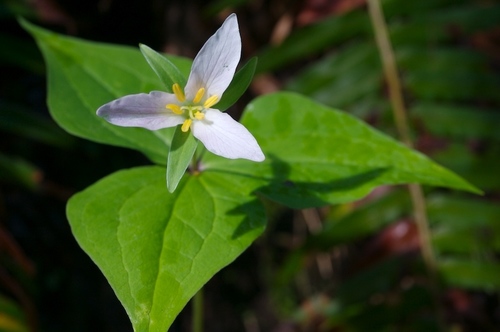
Within the park's diverse ecosystems, visitors can discover a rich tapestry of flora and fauna. The mature second-growth forest is home to majestic western redcedar and bigleaf maple, alongside a verdant understory of Pacific trillium, vanilla leaf, western sword fern, and thimbleberry. The river itself is a vibrant artery, supporting populations of coho salmon and steelhead, and offering glimpses of North American River Otters and Northern Red-legged Frogs. Birdwatchers might spot a variety of avian species, including the striking Violet-green Swallow, the busy Dark-eyed Junco, or the elusive Spotted Sandpiper.
Chemainus River Park promises a memorable experience for families, nature enthusiasts, and anglers. It's a place where you can spend an entire day picnicking by the water, swimming in natural pools, or embarking on a quiet hike along the riverbanks, immersing yourself in the sights and sounds of coastal British Columbia's wilderness. The opportunity to observe local wildlife in their natural habitat, combined with the peaceful riverside setting, creates a rejuvenating and authentic outdoor adventure that distinguishes this park as a true gem. Wondering what that bird or insect is? Find out on your visit using the Snappit nature app.
Chemainus River Park was officially established on December 30, 1959, primarily to protect the river's floodplain and sensitive riparian areas. The park's land sits within the traditional territories of the Nanaimo First Nation, Chemainus First Nation, Cowichan Indian Band, and Cowichan Tribes, who have historically utilized the area for fishing, berry picking, and bark stripping. The remnants of an old railway grade found within the park also contribute to its historical significance. Over time, the park has seen additions to its protected area, expanding from an initial 103 hectares to its current 128 hectares, which has enhanced both its recreational offerings and conservation values.
Hiking: Explore undeveloped routes that follow the riverbanks. While there are no formally developed trails, these natural paths offer a chance to discover the park's beauty.
Swimming: Enjoy a refreshing dip in the calm, deep pools and swimming holes along the river.
Picnicking: Find a scenic spot along the river for a peaceful meal amidst nature.
Fishing: Anglers can cast for coho salmon and various runs of steelhead, provided they have a valid British Columbia fishing license and adhere to current regulations.
Paddling: River kayaking and canoeing are permitted, offering a unique perspective of the park from the water.
Wildlife Viewing: Keep an eye out for Roosevelt elk, black bears, cougars, and wolves (from a safe distance), as well as a variety of birds and smaller creatures like North American River Otters and Northern Red-legged Frogs.
Botanical Exploration: Discover species like Pacific trillium, western redcedar, vanilla leaf, bigleaf maple, western hemlock, and various ferns.
Summer: The most popular time for swimming and river recreation.
Spring/Fall: Good for observing salmon and steelhead runs, as well as enjoying the changing colours of the forest.
Winter: Generally quieter, offering a more solitary experience in nature.
Chemainus River Park does not have developed, wheelchair-accessible trails or facilities. The trails are natural, rough routes along the river, making them less suitable for strollers or wheelchairs.
The Chemainus River with its serene swimming holes, opportunities for fishing (steelhead and coho salmon), and the encompassing second-growth forest are the main attractions.
Each card links to a full Explore page with photos, traits, and fun facts.
Start with the big picture, then zoom in to explore individual wildlife observations around this place.
Pack Accordingly
There are no facilities in the park, so bring all necessary supplies, including water, snacks, and appropriate gear for hiking and swimming.
Fishing Licenses
If you plan to fish, ensure you have a valid British Columbia fishing license and are aware of current regulations for salmon and steelhead.
Wildlife Safety
Be aware that the park is home to wildlife including bears and cougars. Carry bear spray and know how to use it, make noise while hiking, and keep food secured.
Pet Etiquette
Pets are permitted but must be kept on a leash at all times. Be mindful that backcountry areas may not be suitable for dogs due to potential wildlife encounters.
Leave No Trace
Help preserve the park's natural beauty by packing out everything you pack in. No camping or campfires are permitted.
Parking
Vehicle use is restricted to Hillcrest Road (Forest Service Road). Avoid driving on park trails to prevent damage to natural areas.
Jul 3, 2023
Jul 3, 2023
Jul 3, 2023
May 10, 2023
May 10, 2023

Maryland, US
You might spot White-Tailed Deer and Eastern Gray Squirrel.
View guide →
.jpg)
District of Columbia, US
You might spot Eastern Gray Squirrel, Duck, and House Sparrow.
View guide →

Illinois, US
You might spot American Robin, Canada Goose, and House Sparrow.
View guide →

Virginia, US
You might spot Spotted Lanternfly and Northern Cardinal.
View guide →
Take the discovery with you
Identify the wildlife you spot, learn as you go, and keep a collection of the adventure.