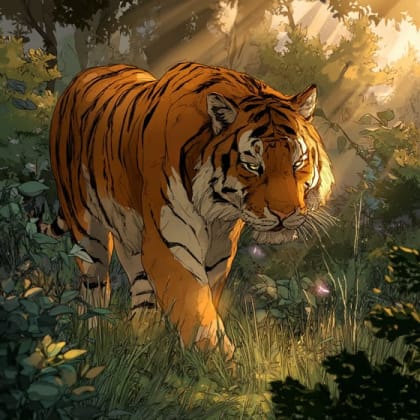





Tiger

The Greater Wynnewood Exotic Animal Park, famously known as the "Tiger King Park," was once a controversial roadside zoo in Wynnewood, Oklahoma.
The Greater Wynnewood Exotic Animal Park, famously known as the "Tiger King Park," was once a controversial roadside zoo in Wynnewood, Oklahoma. This site, now permanently closed, was once home to a vast collection of exotic animals, particularly big cats, and gained worldwide notoriety through the Netflix documentary series "Tiger King: Murder, Mayhem and Madness". While no longer operational as a public attraction, its history remains a significant, albeit complex, part of Oklahoma's recent past. The park showcased a variety of species, offering visitors a unique, though often criticized, experience with exotic wildlife. During its active years, the visitor experience at the Greater Wynnewood Exotic Animal Park revolved heavily around direct, interactive encounters with animals, especially tiger cubs. Guests could pay for opportunities to pet and photograph young tigers, a practice that generated significant revenue but also drew intense scrutiny from animal welfare organizations. Beyond the cub encounters, the park featured enclosures housing adult big cats such as tigers, lions, pumas, and hybrid ligers and tigons, along with bears, lemurs, and monkeys. The park's rural setting and its unconventional approach to animal care and display created a unique, if often unsettling, atmosphere for those who visited. Today, the Greater Wynnewood Exotic Animal Park stands as an abandoned and heavily vandalized site, a stark reminder of its tumultuous past and the controversies that led to its closure. The animals have been rehomed to sanctuaries and other facilities. Although visitors can no longer experience the park's offerings, its legacy continues to spark conversations about exotic animal ownership, animal welfare, and the sensationalism captured in the "Tiger King" documentary. Turn your visit into a safari! Use the Snappit app to scan and log wildlife sightings here.
The Greater Wynnewood Exotic Animal Park began its tumultuous journey in 1999, established by Joseph Maldonado-Passage, famously known as Joe Exotic. It was originally named the Garold Wayne Exotic Animal Memorial Park, dedicated to his late brother. Situated on 16 acres, the park initially aimed to be a shelter for endangered and exotic species, eventually housing over fifty species and more than 200 big cats, including tigers, lions, pumas, ligers, and tigons. Over the years, the park operated under several names, including the G.W. Exotic Animal Memorial Foundation and the Garold Wayne Interactive Zoological Foundation. The park gained immense public attention and notoriety with the release of the Netflix documentary series "Tiger King: Murder, Mayhem and Madness" in 2020, which centered on Joe Exotic and his contentious rivalry with animal activist Carole Baskin. Throughout its operation, the park faced numerous accusations of animal welfare violations from organizations like PETA and the USDA, including inadequate veterinary care, unsanitary enclosures, and improper animal handling. In 2018, Joe Exotic left the zoo, and in 2019, he was convicted and sentenced to prison for a murder-for-hire plot against Carole Baskin and for various wildlife crimes. Ownership of the park transferred to Jeff Lowe, who continued to operate it as "Tiger King Park" for a period. However, following a federal court ruling that transferred ownership of the property to Carole Baskin and a suspension of Lowe's exhibitor's license due to further animal welfare violations, the park permanently closed to the public on August 18, 2020. All remaining animals were subsequently seized or relocated to accredited sanctuaries.
Visitors would have observed various exotic animals in their enclosures and, controversially, participated in cub-petting sessions.
Oklahoma summers can be very hot and humid, while winters can be cold. Animal activity might have varied with the temperature, with some animals being more active during cooler parts of the day.
Information regarding specific accessibility features during its operation is limited. However, as a private roadside zoo, it is unlikely to have had extensive ADA-compliant facilities.
Large collection of big cats, including tigers, lions, ligers, and pumas
Opportunities for cub petting and photos with young animals
Other exotic animals such as bears, lemurs, and monkeys
Each card links to a full Explore page with photos, traits, and fun facts.
Start with the big picture, then zoom in to explore individual wildlife observations around this place.
Watch the Netflix documentary "Tiger King: Murder, Mayhem and Madness" for a detailed, albeit controversial, look into the park's operations and its key figures.
Research articles and reports from animal welfare organizations like PETA and the Humane Society of the United States to understand the historical animal welfare concerns associated with the park.
Explore news archives and interviews with former employees and owners to gain different perspectives on the park's history.
Be aware that the former site is now abandoned private property, and unauthorized access is not permitted.
Consider learning about accredited sanctuaries and reputable zoos to understand ethical animal care standards, contrasting them with the practices that led to the Greater Wynnewood Exotic Animal Park's closure.
Recent snaps will appear here as new observations are added.

Michigan, US
You might spot African Lion, Komodo Dragon, and Brown Bear.
View guide →
.jpg)
Municipal District of Cobh, IE
You might spot Ring-Tailed Lemur, Giraffes, and Cheetahs.
View guide →

Nouvelle-Aquitaine, FR
You might spot Greater Flamingo, Giraffes, and Red Panda.
View guide →

Texas, US
You might spot Giraffes, African Lion, and Eastern Black Rhinoceros.
View guide →