Giraffes
Hemker Park & Zoo offers unique, intimate wildlife encounters in central Minnesota.
Hemker Park & Zoo offers unique, intimate wildlife encounters in central Minnesota. Nestled in Freeport, Minnesota, Hemker Park & Zoo is a beloved family-owned and operated seasonal destination dedicated to connecting visitors with the animal kingdom. This charming zoo showcases over 200 animals representing more than 50 species from around the globe, providing an engaging and educational experience that emphasizes conservation and wildlife appreciation. The visitor experience is marked by its interactive nature, allowing guests to go beyond observation and participate in memorable animal encounters. Imagine standing eye-to-eye with a giraffe as you hand-feed it, or getting the chance to offer a snack to Tio, Minnesota's only rhino. The Budgie Buddy House offers an immersive aviary where colorful budgies may land directly on you, creating a joyful, unforgettable moment. Beyond these unique interactions, the zoo is home to fascinating creatures like playful red pandas, agile black-and-white ruffed lemurs, and exotic Bactrian camels, each housed in environments designed to mimic their natural habitats. Hemker Park & Zoo is more than just an attraction; it's a place where every visit supports a legacy of love and a commitment to wildlife preservation. The intimate setting, combined with daily educational programs and special seasonal events, makes it a truly special place to spend a day. Whether exploring the diverse animal exhibits, enjoying a leisurely tram tour, or participating in a unique animal encounter, guests leave with a deeper understanding and appreciation for the animal world. Don't forget to bring the Snappit nature identification app along to scan local species.
Hemker Park & Zoo began its journey in 1977 as the Hemker Game Farm, founded by Mark and Joan Hemker in Freeport, Minnesota. The initial collection started modestly with various waterfowl. Over the years, the animal family grew, introducing white-tail deer and a black bear in 1980, followed by a pronghorn antelope and reindeer in 1985. The venue rebranded to Hemker Wildlife Park in 1992, adding six black-footed penguins to its collection, and officially opened to the public in 1994. New exhibits like the African Safari were introduced around the turn of the century. After Mark Hemker's passing in 2006, his family continued his legacy, transforming the park into Hemker Park & Zoo in 2008. This expansion included a new picnic area and a farm petting zoo, with penguins returning in 2010 and the addition of New Guinea singing dogs in 2012. Today, the zoo remains family-owned and operated, continuing its mission of conservation and education.
Engage in various animal feeding experiences (giraffe, rhino, otters, flamingos, budgies, koi fish). Explore educational programs, and consider the "Zoo Keeper Experience Day" for a behind-the-scenes look.
Weather: During early May and late September/October, some warmer climate animals might not be available for viewing if the weather is cold or rainy. Animal Activity: Animals tend to be more active during cooler parts of the day, like mornings and late afternoons, especially during peak summer heat. Seasonal Events: The zoo hosts several popular events including Brew at the Zoo (June), Summer Party (July), Fall Zoo Fest (September), Zootoberfest (September), Boo at the Zoo (October), and Santa Days (November).
Pathways throughout the zoo are packed gravel, and bathroom facilities are handicap accessible. The Discovery Safari Tram is wheelchair accessible, with a dedicated slot for wheelchairs, though it cannot accommodate strollers or motorized scooters. Service animals are permitted in the zoo.
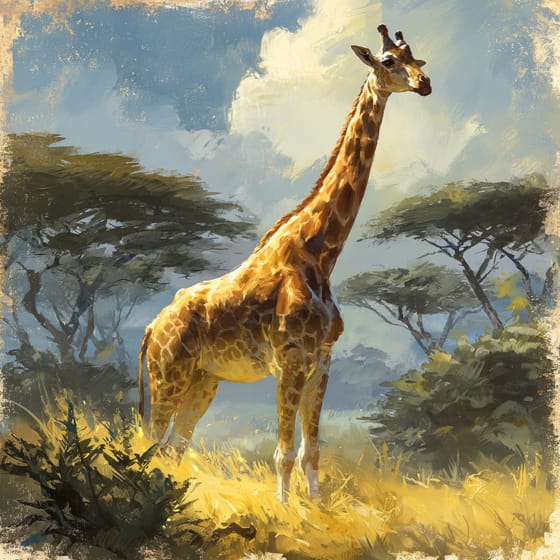
Get up close with giraffes and offer them a snack.
Meet Tio, the state's only rhino, and participate in a feeding experience.
An immersive aviary where you can feed colorful budgies.
Observe these captivating creatures, unique to this zoo in Minnesota.
Each card links to a full Explore page with photos, traits, and fun facts.
Start with the big picture, then zoom in to explore individual wildlife observations around this place.
Wear Comfortable Shoes
The pathways are packed gravel, so comfortable footwear is recommended for exploring the entire park.
Bring Your Own Snacks/Lunch
Guests are welcome to bring their own food and non-alcoholic beverages, with picnic areas available for use. This can be a great way to save money and enjoy a meal amidst nature.
Plan for Animal Encounters
Popular interactive experiences like giraffe, rhino, and otter feedings have specific times and often an additional cost. Check the daily schedule upon arrival or online and consider purchasing tickets in advance.
Take the Tram Tour
For a relaxing overview of the zoo and to cover more ground, especially with young children or those with mobility concerns, consider taking the Discovery Safari Tram Tour.
Check the Weather
Especially during the shoulder seasons (May, late September, October), cooler temperatures or rain might mean some warm-climate animals are kept indoors. Plan your visit during pleasant weather for optimal viewing.
Visit in the Morning or Late Afternoon
Animals are often more active during the cooler parts of the day, making these times ideal for observing their natural behaviors.
Recent snaps will appear here as new observations are added.

Michigan, US
You might spot African Lion, Komodo Dragon, and Brown Bear.
View guide →
.jpg)
Municipal District of Cobh, IE
You might spot Ring-Tailed Lemur, Giraffes, and Cheetahs.
View guide →

Nouvelle-Aquitaine, FR
You might spot Greater Flamingo, Giraffes, and Red Panda.
View guide →

Texas, US
You might spot Giraffes, African Lion, and Eastern Black Rhinoceros.
View guide →