Sheep
Jedediah Island Marine Provincial Park offers a truly pristine escape into the heart of British Columbia's marine wilderness, nestled between Lasqueti and Texada Islands in the Strait of Georgia.
Jedediah Island Marine Provincial Park offers a truly pristine escape into the heart of British Columbia's marine wilderness, nestled between Lasqueti and Texada Islands in the Strait of Georgia. Accessible only by boat, this expansive 243-hectare island is one of the largest and most diverse island parks in the province, celebrated for its untouched quality and serene atmosphere. Visitors are invited to experience a unique blend of lush old-growth forests, secluded bays, and a fascinating history that together create an unforgettable retreat from the modern world.
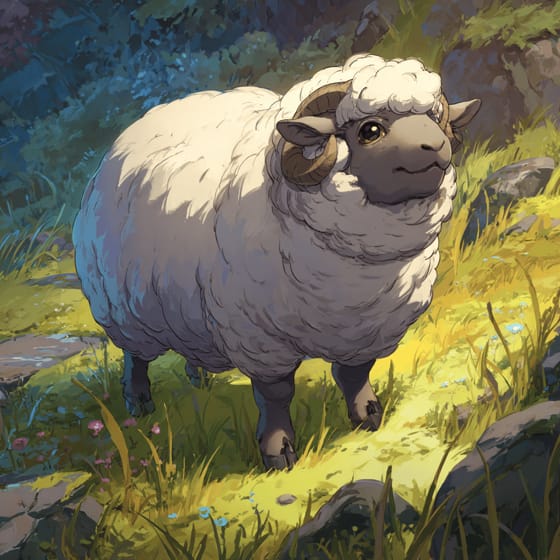
The park's diverse landscape features a network of trails, approximately 3.5 km long, that weave through patches of mature Douglas fir and Arbutus trees, open meadows, and along the picturesque shoreline. A notable highlight is the chance to encounter the island's famous feral sheep and goats, descendants of livestock left behind by past settlers, which roam freely and add a unique charm to the wilderness experience. Beyond the terrestrial wonders, Jedediah boasts a rich marine environment with five secluded bays like Deep Bay, Codfish Bay, and Long Bay, perfect for anchoring, kayaking, and observing diverse coastal birdlife and intertidal creatures in their natural habitat. Evidence of past homesteading, including an old house, barn, and orchard, adds an unexpected layer of human history to the wild landscape.
Visiting Jedediah Island Marine Provincial Park is an opportunity to truly unplug and immerse oneself in nature. Its isolation and tranquility make it an exceptional destination for kayakers and wilderness campers seeking quiet adventures and panoramic views. Whether you're exploring the trails, searching for the elusive feral livestock, or simply soaking in the stillness from a peaceful anchorage, Jedediah offers a grounding and memorable experience that feels both remote and profoundly beautiful. Eager to name that creature? Identify any animal you find during your visit using the Snappit app.
Jedediah Island holds a deeper story than its tranquil present might suggest. Long before European settlement, the island was part of the traditional territory of local First Nations, who utilized its shores seasonally for harvesting seafood, with evidence of an Aboriginal fish weir among its four registered archaeological sites. In the late 1800s, the Foote family settled on the island, clearing meadows and planting orchards. The island later changed hands multiple times, serving as both a homestead and a summer retreat. The most well-known chapter began in 1949 when Mary Mattice and her first husband bought the island, eventually becoming full-time residents with her second husband, Al Palmer, for nearly two decades. When the Palmers could no longer live on the island, they sought to protect it rather than sell it privately. Through significant community fundraising, a major donation from the Dan Culver Estate, and efforts from groups like the Friends of Jedediah and the Marine Parks Forever Society, the province purchased the land. Jedediah Island was officially designated a Marine Provincial Park in 1995, ensuring its preservation. The feral sheep and goats roaming the island today are descendants of the Palmers' livestock, serving as a living link to its homesteading past.
Kayaking, wilderness camping, hiking, wildlife viewing (feral animals, birds), exploring historical sites, clam raking, and enjoying sandy beaches for swimming.
From May 15 to September 15, BC Parks collects backcountry fees for camping. Summer is the peak season for kayaking and can see increased visitor numbers.
The park is accessible only by boat; there are no roads or ferry access for vehicles. Trails are natural and not paved, making them unsuitable for wheelchairs. Facilities are minimal, limited to pit toilets near popular anchorages.
Keep an eye out for these unique descendants of homestead livestock, often seen grazing in meadows or on rocky cliffs.
Explore the remnants of the Palmer family's life, including the old house, barn, and orchard, which still bears fruit in late summer.
Wander through approximately 3.5 km of trails featuring mature Douglas fir and Arbutus trees, connecting secluded bays. A 7.6 km loop of the island is also possible.
Anchor or kayak in tranquil spots like Deep Bay, Codfish Bay, Long Bay, or Home Bay, offering excellent opportunities for marine observation and relaxation.
Each card links to a full Explore page with photos, traits, and fun facts.
Start with the big picture, then zoom in to explore individual wildlife observations around this place.
Bring all your own water
There is no potable water available on Jedediah Island, so ensure you bring enough for your entire stay.
Practice Leave No Trace principles
As a wilderness park with minimal facilities, it's crucial to pack out everything you pack in, camp on durable surfaces, and be mindful of wildlife.
Download maps offline
Cell service is unreliable or non-existent in many parts of the island, so download any trail maps or navigation tools before your visit.
Prepare for stern-tying if anchoring
Many anchorages on Jedediah Island, such as Deep Bay, require stern-tying to shore, so have your stern line ready.
Look for signs of feral animals
While spotting the feral sheep and goats isn't guaranteed, keep an eye out for them in meadows, on cliffs, or look for their tracks and other evidence along the trails.
Explore the homestead area
Don't miss the historical homestead with its crumbling buildings, antique farm equipment, and the old orchard, which offers a glimpse into the island's past.
Aug 30, 2025
May 4, 2025
Aug 13, 2020
Aug 13, 2020
Aug 13, 2020

Ohio, US
You might spot Sand Tiger Shark, Nurse Shark, and Cow.
View guide →

California, US
You might spot Orca, Bottlenose Dolphin, and Beluga Whale.
View guide →

Illinois, US
You might spot Beluga Whale, Pacific White-Sided Dolphin, and Sea Otter.
View guide →

Texas, US
You might spot Brown-Throated Three-Toed Sloth, Ant, and Penguin.
View guide →
Take the discovery with you
Identify the wildlife you spot, learn as you go, and keep a collection of the adventure.