




Feb 26, 2026
i
Photo attribution
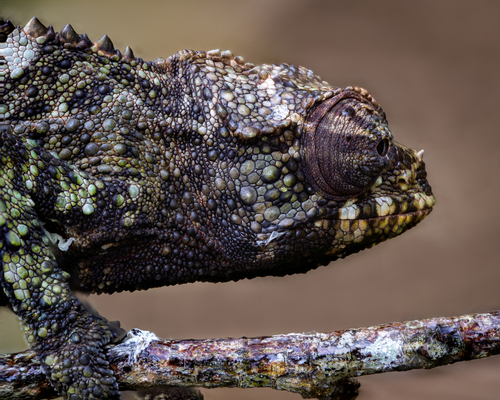
(c) Claus Giloi, some rights reserved (CC BY)
License: CC BY 4.0 ↗
Image may be shown cropped inside the card frame.

Kalopa State Recreation Area, nestled at a cool 2,000-foot elevation on the Big Island, is a lush forest park dedicated to preserving one of Hawaii's last accessible lowland native rainforests.
Kalopa State Recreation Area, nestled at a cool 2,000-foot elevation on the Big Island, is a lush forest park dedicated to preserving one of Hawaii's last accessible lowland native rainforests. This serene sanctuary provides a refreshing contrast to the island's coastal attractions, offering visitors a unique opportunity to immerse themselves in a vibrant ecosystem teeming with endemic flora and fauna. Its peaceful ambiance and commitment to conservation make it a special retreat for those seeking a deeper connection with Hawaii's natural heritage.
The park's main draw is the 0.7-mile Kalopa Nature Trail, an easy loop winding through an old-growth ʻōhiʻa forest, characterized by towering ʻōhiʻa lehua trees and a dense understory of hapuʻu tree ferns. Beyond the trails, an arboretum proudly showcases rare and endangered native Hawaiian plant species, including the unique loulu palms and various native hibiscus flowers. Kalopa is also a paradise for birdwatchers, where the calls of native Hawaiian birds like the bright crimson ʻapapane, the distinctive ʻiʻiwi, the olive-green ʻamakihi, and occasionally the majestic ʻio (Hawaiian hawk) echo through the canopy.
Visiting Kalopa State Recreation Area is an unforgettable experience, allowing you to step away from the bustling beaches and into the heart of Hawaii's pristine native forests. It's a place to breathe in crisp mountain air, enjoy cool temperatures year-round, and appreciate the island's incredible biodiversity. The tranquil trails, melodic bird songs, and ancient trees create a memorable retreat that rejuvenates the spirit and offers a profound appreciation for the natural wonders of the Big Island. Don't forget to bring the Snappit nature identification app along to scan local species.
The area around Kalopa has a rich history of ancient Hawaiian habitation, with native communities utilizing its fertile lands and abundant natural resources for centuries. In the early 19th century, Christian missionaries arrived, influencing the region's agricultural practices and social dynamics. Kalopa also holds historical connections to Hawaiian royalty, with the park dedicated in part to the memory of Prince Kuhio, who had a residence nearby. Kalopa State Recreation Area was formally established by the Hawaii Department of Land and Natural Resources to protect significant remnants of the native forest and provide public access to one of the Big Island's most accessible examples of Hawaiian lowland rainforest. While the surrounding Hamakua Coast was historically central to Hawaii's sugar industry, which led to the clearing of vast native forests, the park stands as a vital preserve of the indigenous ecosystem. The development of interpretive stations along the Nature Trail further transformed the park into an educational resource for understanding Hawaiian forest ecology.
Hiking, picnicking, birdwatching, exploring native plant collections, camping, and occasional educational or cultural programs. Mountain biking is also available on specific designated trails.
Located at 2,000 feet elevation, the park is cooler and often damp year-round, with frequent rain and misty mornings contributing to its lush environment.
ADA-accessible campsites are available. The Kalopa Nature Trail is considered easy and suitable for various fitness levels. The park also provides restrooms, picnic tables, and cabin accommodations.
An easy 0.7-mile loop through an old-growth ʻōhiʻa forest, perfect for families.
Home to rare and endangered native Hawaiian plants, including loulu palms and native hibiscus.
Spot native Hawaiian forest birds like the ʻapapane, ʻiʻiwi, ʻamakihi, and the ʻio.
Features "canoe plants" such as sugarcane, banana, ti, and taro.
Each card links to a full Explore page with photos, traits, and fun facts.
We are still adding species preview cards for this place.
Start with the big picture, then zoom in to explore individual wildlife observations around this place.
Dress in layers and bring rain gear
Due to its elevation, Kalopa is consistently cooler and can be damp or rainy year-round. Warm clothing and a waterproof jacket are essential.
Wear appropriate footwear
Sturdy, waterproof hiking shoes are highly recommended, as trails can often be muddy and slippery.
Pack insect repellent
The lush, damp environment means mosquitoes can be present, especially in shaded areas and during certain times of day.
Make reservations in advance for lodging: If you plan to stay in one of the cabins or utilize a campsite, secure your reservations well ahead of time, as spots fill up quickly.
Stay on marked trails
To protect the delicate native ecosystem and for your own safety, always remain on designated trails.
Check park alerts before you go
Before heading out, visit the official Hawaii State Parks website for any current closures, conditions, or advisories.
Grab a trail guide
Look for interpretive guide booklets at the trailhead of the Kalopa Nature Trail to help identify numbered plants and learn about the forest.
Feb 26, 2026
Photo attribution
(c) Claus Giloi, some rights reserved (CC BY)
License: CC BY 4.0 ↗
Image may be shown cropped inside the card frame.
Apr 21, 2026
Apr 16, 2026
Apr 16, 2026
Mar 24, 2026

Maryland, US
You might spot White-Tailed Deer and Eastern Gray Squirrel.
View guide →
.jpg)
District of Columbia, US
You might spot Eastern Gray Squirrel, Duck, and House Sparrow.
View guide →

Illinois, US
You might spot American Robin, Canada Goose, and House Sparrow.
View guide →

Virginia, US
You might spot Spotted Lanternfly and Northern Cardinal.
View guide →
Take the discovery with you
Identify the wildlife you spot, learn as you go, and keep a collection of the adventure.







