





Cook Pine
araucaria columnaris
The Cook Pine is a tall and beautiful tree that looks like it is reaching for the sky! Its unique shape and soft, needle-like leaves make it a favorite among nature lovers.
Habitat: Cook Pines thrive in tropical and subtropical regions, often found in coastal areas or planted in parks and gardens.
The Cook Pine is a striking, exceptionally tall tree with a distinctive narrow, symmetrical columnar shape. Its branches grow in horizontal tiers, often curving slightly upwards, giving it a unique textured appearance and dark green, scale-like foliage.
Category
PlantsRarity
Common
Danger
0/5 · No known danger
Snaps
7
Cook Pines are sometimes called 'Christmas tree pine' because of their perfect, tiered shape!
Its unique trunk wood was once prized for making sturdy ship masts and construction timber.
These trees can grow so tall, they often served as natural navigation landmarks for sailors!
Young Cook Pines often make popular and unusual potted houseplants before they grow too big!
Cook Pine can subtly lean towards the equator, an adaptation that helps it optimize sunlight absorption for growth.
Cook Pine has a flexible, yet strong trunk and branches that help it sway with strong coastal winds without breaking.
Cook Pine can tolerate salty coastal conditions, an adaptation that helps it thrive where many other trees struggle.
Rattus exulans
Consumes fallen Cook Pine seeds in its native New Caledonian habitat.
Pteropus ornatus
Roosts high in the tall canopy of Cook Pines in its native range.
Columba livia
Nests and perches within the branches of cultivated Cook Pines globally.
Social animals live in organized groups, cooperating for survival benefits such as foraging, defense, and raising offspring.
Arboreal animals live primarily in trees, utilizing them for shelter, food, and protection from predators.
Colorful describes organisms or objects displaying a wide range of bright and distinct colors.
Forest habitats are terrestrial environments dominated by dense tree cover, supporting a high diversity of plant and animal life.

Diurnal animals are primarily active during daylight hours, typically resting or sleeping at night.
Danger
0/5 · No known danger
No special safety notes yet.
The easiest way to identify Cook Pine is to use the Snappit nature identifier app.
6000-7000 cm
500-1500 cm
Yes
None
Perennial
Wind
Cook Pines thrive in tropical and subtropical regions, often found in coastal areas or planted in parks and gardens.
Zoom in to split clusters and explore where this object has been snapped.

Hawaii, US
You might spot Gold Dust Day Gecko, Yellow Tang, and Saffron Finch.
View guide →
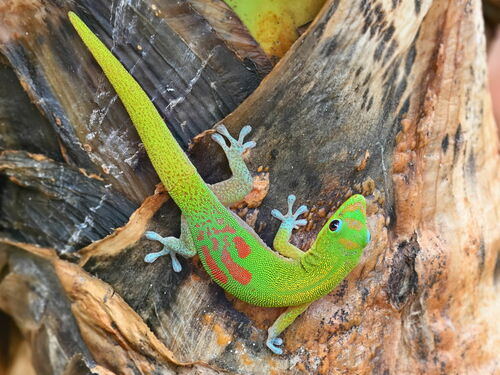
Hawaii, US
You might spot Gold Dust Day Gecko, Sea Turtle, and Brown Anole.
View guide →

Hawaii, US
You might spot Rough Maidenhair Fern, Coralberry, and Kahili Ginger.
View guide →

Hawaii, US
You might spot Torch Ginger, Red-Crested Cardinal, and African Tulip Tree.
View guide →

Hawaii, US
You might spot 'āhinahina, Jackson's Chameleon, and Hawaiʻi ʻamakihi.
View guide →

Hawaii, US
You might spot Gold Dust Day Gecko, Red Junglefowl, and Brown Anole.
View guide →
Take the discovery with you
Snap it with Snappit to identify it, learn what makes it special, and add the discovery to your collection.








.jpg&width=800)



_001.jpg&width=800)




