





Bottlenose Dolphin

The Miami Seaquarium was a marine park on Virginia Key that offered visitors a captivating glimpse into the underwater world.
The Miami Seaquarium was a marine park on Virginia Key that offered visitors a captivating glimpse into the underwater world. Opened in 1955, it stood as one of the oldest continuously operating oceanariums in the United States. It became a beloved South Florida icon, famous for its dazzling animal shows and close-up encounters with a diverse array of marine life.
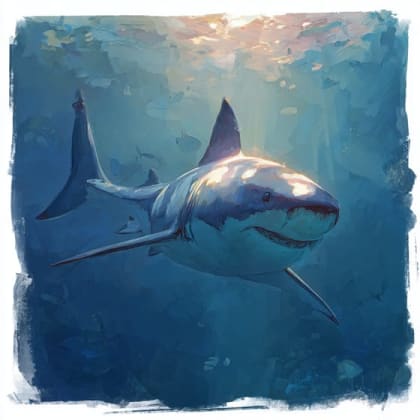
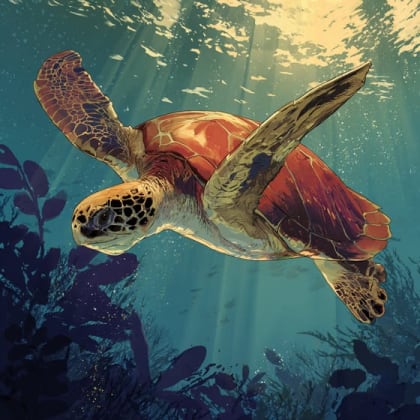
Historically, the Seaquarium was home to charismatic animals like the iconic Lolita the Orca, playful dolphins known for their acrobatic shows (including those linked to the "Flipper" TV series), and entertaining sea lions. Guests could explore exhibits featuring Florida manatees, various shark species in the Shark Channel, and a vibrant Tropical Reef Aquarium brimming with colorful fish and sea turtles. Interactive experiences, such as swimming with dolphins, seal swims, and stingray encounters, once provided unforgettable hands-on connections with marine creatures.
However, after 70 years of operation, the Miami Seaquarium permanently closed its doors on October 12, 2025. The closure followed years of mounting controversy over animal welfare concerns, numerous USDA violations, and significant public outcry, particularly after the death of Lolita the orca in August 2023. The site is slated for redevelopment into a commercial waterfront project, including a new aquarium that will not house marine mammals. Take the ultimate field guide with you: use the Snappit app to identify birds, plants, and animals on your trip.
The Miami Seaquarium was founded by Fred D. Coppock and Captain W.B. Gray, opening its doors on September 24, 1955. When it first debuted, it was recognized as one of the largest marine-life attractions globally. The park gained widespread fame in the 1960s as the filming location for the popular television series "Flipper" and its subsequent movies, starring the intelligent bottlenose dolphins housed there. Over its decades of operation, the Seaquarium experienced changes in ownership, with Palace Entertainment acquiring it in 2014 and The Dolphin Company taking over in 2022. In its later years, the venue faced increasing scrutiny regarding its animal care standards, accumulating multiple violations from the U.S. Department of Agriculture (USDA) related to inadequate veterinary care, animal handling, and facility conditions. The highly publicized death of Lolita the orca in August 2023, after more than 50 years in captivity, intensified public and regulatory pressure. These challenges, coupled with financial difficulties and an eviction notice from Miami-Dade County, ultimately led to the facility's permanent closure on October 12, 2025.
Each card links to a full Explore page with photos, traits, and fun facts.
Start with the big picture, then zoom in to explore individual wildlife observations around this place.
Please note
As the Miami Seaquarium is closed, these tips are historical insights into what would have been recommended for visitors during its operational years.
Wear comfortable walking shoes, as guests spent a good amount of time exploring the 38-acre park.
Bring sunscreen, hats, and sunglasses, as many exhibits and show areas were outdoors in Miami's sunny climate.
Arrive early in the day to enjoy the park before crowds peaked and to secure good seats for popular shows.
Check the daily show schedule upon arrival to plan your viewing times and avoid missing favorite presentations.
Considered the interactive animal encounters, such as Dolphin Odyssey or Seal Swim, for a more personalized and memorable experience.
Stay hydrated, especially during warmer months, by bringing a reusable water bottle or purchasing drinks at the various on-site facilities.
Jun 4, 2026
Jun 4, 2026
Jun 4, 2026
Jun 4, 2026
Jun 3, 2026

Ohio, US
You might spot Sand Tiger Shark, Nurse Shark, and Cow.
View guide →

California, US
You might spot Orca, Bottlenose Dolphin, and Beluga Whale.
View guide →

Illinois, US
You might spot Beluga Whale, Pacific White-Sided Dolphin, and Sea Otter.
View guide →

Texas, US
You might spot Brown-Throated Three-Toed Sloth, Ant, and Penguin.
View guide →
Take the discovery with you
Identify the wildlife you spot, learn as you go, and keep a collection of the adventure.
























.jpg&width=800)



