Snappit logo
Snappit
Get App
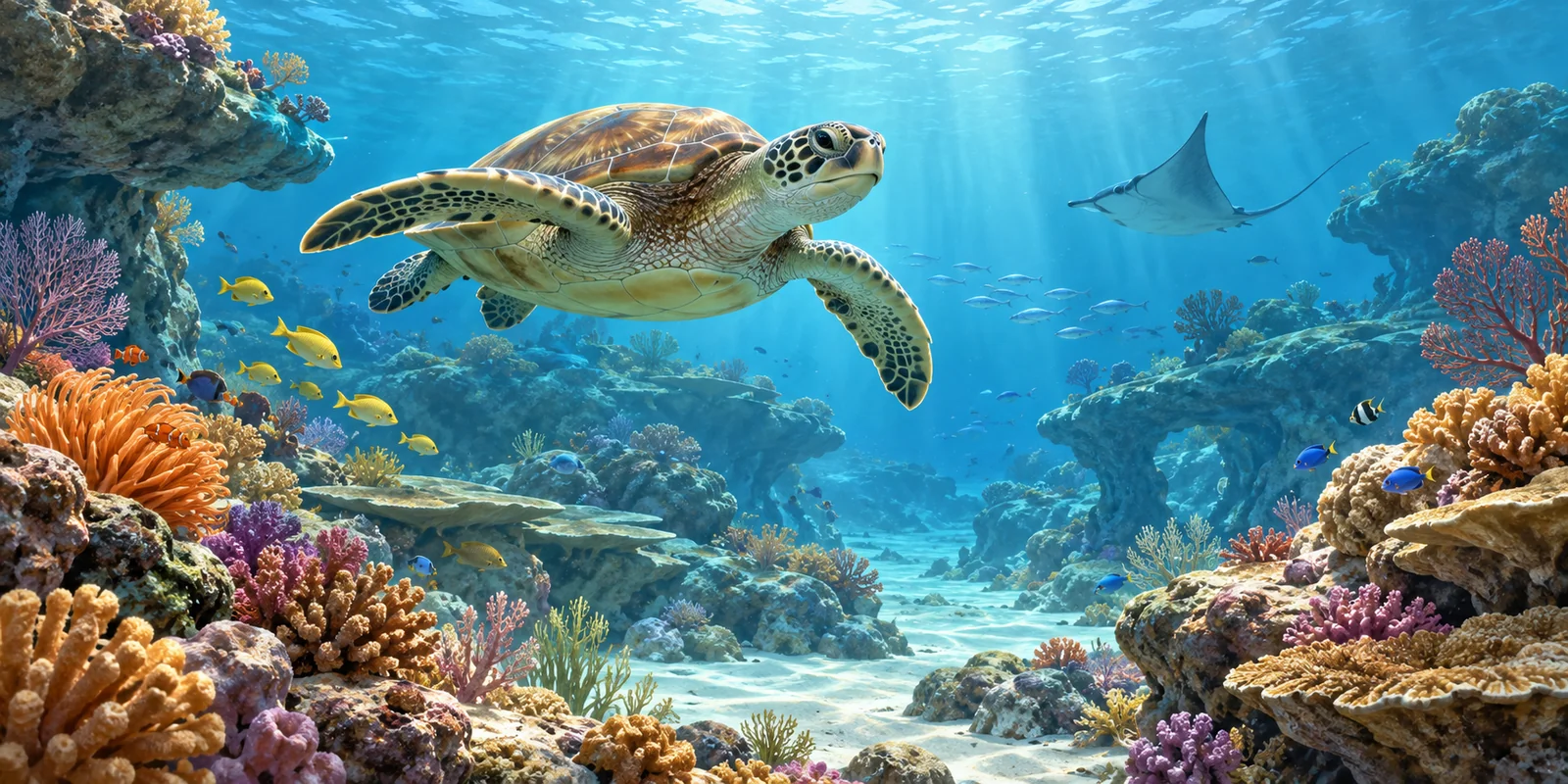
Generic illustration, not a photograph of this venueIllustration
AquariumMecklenburg-Vorpommern, Germany

OZEANEUM Stralsund

Visit OZEANEUM Stralsund to see the northern seas close up, from drifting jellyfish to shoals circling a sunken-ship replica.

About

Visit OZEANEUM Stralsund to see the northern seas close up, from drifting jellyfish to shoals circling a sunken-ship replica. The white museum buildings stand on the harbour island, with the real Strelasund just outside. Start with the building plan in the foyer: the visit moves between museum galleries and living aquariums on several levels, so it helps to know where the penguins and play area come later.

The Baltic aquarium begins with a recreation of Stralsund’s harbour basin. Its journey through coastal habitats makes an ordinary-looking stretch of water more interesting: herring gather in a silver shoal, while moon jellyfish offer a much slower subject to watch. The North Sea circuit carries you through the Helgoland tunnel aquarium towards the large Open Atlantic tank. Give that window time. A passing fish is easy to miss when everyone is looking for a shark.

Upstairs, Humboldt penguins live beside the children’s area, with underwater windows as well as views of their rocky enclosure. Save a little energy for the whale hall at the end. Its suspended whales are life-size models, including a 26-metre blue whale; the foyer’s whale skeletons are museum specimens. The animated whales in the immersive show are another way of exploring their world. These displays complement the living aquarium animals, and explaining the difference helps children make sense of what they see. Explore the grounds like a pro—download the Snappit app to instantly identify animals and plants.

OZEANEUM opened on the harbour island in July 2008 and received the European Museum of the Year award in 2010. Behnisch Architekten designed its four sculptural building sections and connecting glass foyer. It is one site of the Stiftung Deutsches Meeresmuseum, whose older MEERESMUSEUM occupies the former St Katharine’s monastery in the old town. The two museums offer different aquarium journeys and need separate admission or an appropriate combination ticket.

What to do here

Follow the museum circuit from the World Ocean and Baltic galleries into the Baltic aquariums, then take in the marine-research exhibition and North Sea aquariums. Use the official plan’s lift route if you have a pushchair or wheelchair. Finish with “Meer für Kinder”, the neighbouring penguin terrace and the whale hall. Choose a few displays to explore properly rather than trying to read every panel.

At the relief globe, let children find an underwater mountain range. In the Baltic gallery, look at the enlarged plankton installation before meeting living jellyfish in the aquariums. The research exhibition’s ten-minute virtual submarine film gives older children a glimpse of deep-sea exploration. At the Open Atlantic window, make a quiet watching game: choose one fish, follow it as far as you can, then compare its path with a shoal’s. Leave time for the lighthouse slide in “Meer für Kinder” if younger visitors need to move.

Seasonal info

This is a useful all-season, mostly indoor visit; take a layer for the outdoor penguin terrace. Regular opening is 09:30–17:00, extended to 19:00 in July and August. The museum closes on 24 December and at 15:00 on 31 December. The ticket desk closes one hour before the museum. Check current opening and admission information before travelling.

Accessibility

Exhibitions and aquariums are reachable by lift, with a step-free entrance and accessible toilets. Follow the orange route on the building plan. The independent access assessment rates the museum as partially accessible for wheelchair users, so check the detailed report for your own requirements. Seats, tactile exhibits and adapted audio tours are available. Lighting changes between galleries and aquariums; the marine-research gallery has a gently sloping floor. Ask staff about the route if darkness, slopes or the whale show’s sound effects could be difficult.

Don't miss

1

Baltic Sea close-up

Connect the harbour outside with the underwater habitats shown inside.

2

Open Atlantic

Watch fish, rays and sharks around a shipwreck replica in a 2.6-million-litre aquarium.

3

Rooftop penguins

Compare Humboldt penguins on their rocks with their movements underwater.

4

Whale-scale finale

Stand beneath life-size models, then experience the animated “Die Welt der Wale” show.

Things to try

A sketch at the window

Before reaching for a camera, draw three different ways of moving: a jellyfish pulsing, a fish using its tail and a penguin swimming. These can be quick outlines. Compare them afterwards and decide which movement was hardest to capture.


Wildlife and habitats

Follow the silver shoal for a while rather than trying to pick out every fish. Watch how the group changes direction and how the light changes as it turns. This is a captive aquarium display.

Look for the moon jellyfish in the Baltic circuit. Watch a single bell contract and relax, then compare that rhythm with the movement of nearby individuals. Photograph without flash and give the glass a little space.

Choose a small part of the mackerel shoal and see how long you can follow it. The group may cross your view faster than a ray or shark, so leave the camera still and let the fish come through the frame.

Look around the shipwreck replica for gilthead seabream, using the identification panel to separate them from the other fish sharing the tank. Try a wider photograph that shows how the fish use the wreck as well as a closer portrait.

Scan the Open Atlantic tank at different depths rather than looking only at the middle of the window. Check the identification panel before labelling a shark photograph: nurse sharks share this aquarium with other shark species.

Stories and discoveries

Shark identities revealed by DNA

The museum’s shark-breeding work includes DNA testing to establish parentage and protect genetic diversity. It also confirmed that its smooth-hounds are starry smooth-hounds, Mustelus asterias. Some aquarium-bred young live in the Open Atlantic display. It is a good example of research happening behind an apparently familiar animal.

Sources and useful links

Wildlife you might spot

5

Each card links to a full Explore page with photos, traits, and fun facts.

Snap map for this place

Start with the big picture, then zoom in to explore individual wildlife observations around this place.

Loading map…

Good to know before you go

Find the right entrance

Head to Harald-Lastovka-Platz, 18439 Stralsund, on the harbour island. The visitor entrance faces the harbour. Older directions use Hafenstraße 11; the address changed in August 2026.

Tickets

Choose an OZEANEUM admission slot in the official online shop. Check the venue name carefully: MEERESMUSEUM is a separate museum in the old town.

Train and bus

Plan your journey via Stralsund Hauptbahnhof and use the VVR or Mecklenburg-Vorpommern journey planner for the onward connection to the museum.

Parking

The paid Parkhaus am Ozeaneum is at Am Langen Kanal 6. Accessible parking is also available near the entrance on Neue Semlowerstraße.

Family equipment

Bring a compact pushchair. Bicycle trailers, handcarts and bulky pushchairs cannot enter. Nursing and changing rooms are available; ask at the information point about loan buggies or wheelchairs.

Food

Eat before or after the circuit; food is not allowed along the museum route. The PAUSCH bistro is reached from the foyer.

Audio and apps

Bring headphones. The audio guide has adult and children’s versions in English, German and Polish and is streamed on your own device. Wi-Fi is currently unreliable, so don’t make it essential to your visit.

Photographs

Switch off flash in the aquarium areas. Try standing still and waiting for a fish to enter the frame rather than following it along the window.

Frequently asked questions

Make the aquariums the main thread and use the children’s area as a substantial break. Choose one small creature to watch closely before each bigger spectacle. You can enjoy the whale models without making a child sit through the immersive show if its sound and animation feel too much.
The museum combines living aquarium animals with models, specimens and films. The whale hall contains models, and the tactile seal heads are bronze casts. Use the labels to distinguish these from the fish, jellyfish and penguins in their living exhibits.
Pet dogs and other pets cannot enter. Guide and assistance dogs are exceptions.

Recent snaps at this place

Recent snaps will appear here as new observations are added.

View all ›

Take the discovery with you

Exploring OZEANEUM Stralsund?

Identify the wildlife you spot, learn as you go, and keep a collection of the adventure.

  1. 1Spot it
  2. 2Snap it
  3. 3Keep the discovery