
African Lion
The Philadelphia Zoo is America's first zoo, a historic and engaging wildlife destination.
The Philadelphia Zoo is America's first zoo, a historic and engaging wildlife destination. Immerse yourself in a world of wonder as you explore this 42-acre Victorian garden, home to nearly 1,900 animals, many of which are rare and endangered. The zoo offers a unique and intimate visitor experience, connecting guests with wildlife through thoughtfully designed habitats and groundbreaking exhibits. A highlight of any visit is the revolutionary Zoo360 animal exploration trail system, a network of elevated, see-through mesh pathways that allows animals like big cats and primates to roam above and across visitor pathways. This innovative system provides unparalleled viewing opportunities, allowing you to witness animals like Amur tigers and Sumatran orangutans moving freely in unexpected ways. Beyond the thrilling Zoo360, explore diverse regions such as Big Cat Falls, the lush PECO Primate Reserve, and the sprawling African Plains, where you can marvel at reticulated giraffes, southern white rhinoceros, and zebras. The Philadelphia Zoo is more than just an animal exhibition; it's a vibrant center for conservation, research, and education. From interactive experiences at KidZooU, where younger visitors can get hands-on with barnyard animals, to the immersive McNeil Avian Center and the fascinating Reptile and Amphibian House, there's something to captivate every age and interest. It's an outdoor oasis in the heart of West Philadelphia, perfect for fostering a deeper appreciation for the natural world and its incredible biodiversity. Don't forget to bring the Snappit nature identification app along to scan local species.
The Philadelphia Zoo holds the distinguished title of being the first zoo established in the United States. Its charter was granted by the Commonwealth of Pennsylvania on March 21, 1859, a testament to the vision of its 'founding father,' Dr. William Camac. However, its official opening was postponed by the American Civil War, finally welcoming over 3,000 visitors through its iconic Victorian gates on July 1, 1874. Upon its opening, the zoo housed an impressive collection of 1,000 animals. Throughout its history, the Philadelphia Zoo has been a pioneer, establishing the first zoo laboratory in 1901 and the first children's zoo in the United States in 1938. It also boasts a rich architectural heritage, including the historic Solitude mansion, once the home of William Penn's grandson, John Penn. The zoo has a long-standing reputation for its successful breeding programs, particularly for species difficult to reproduce in captivity, achieving many 'firsts' in captive animal births and care.
Beyond animal viewing, consider a giraffe feeding experience, riding the Amazon Rainforest Carousel, or taking a trip on the SEPTA PZ Express Train. For an adventurous perspective, try the WildWorks Ropes Course or the Wild Explorer Virtual Reality experience. Be sure to check the daily schedule for keeper chats and animal demonstrations.
The zoo is open daily year-round, with extended hours during summer. Seasonal events like the holiday light show LumiNature and the Summer Ale Festival offer unique experiences at different times of the year. From April to October, Aldabra and Galápagos tortoises can be seen in their outdoor yard.
The Philadelphia Zoo strives to be accessible to all visitors. Manual wheelchairs and a limited number of electric vehicles are available for rent on a first-come, first-served basis at the main entrance. Accessible parking spaces are provided in the Tiger Parking Lot and Zoo Garage. Personal Care Attendants (PCAs) accompanying a ticket holder can receive complimentary admission by contacting guest services in advance for a reservation. Most areas are wheelchair accessible, and staff can assist with alternate entries if needed.
Don't miss this innovative system that allows animals like big cats and primates to travel overhead and around the zoo. Look for Big Cat Crossing, Gorilla Treeway, and Meerkat Maze.
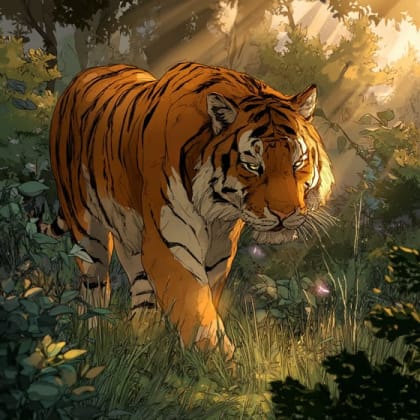
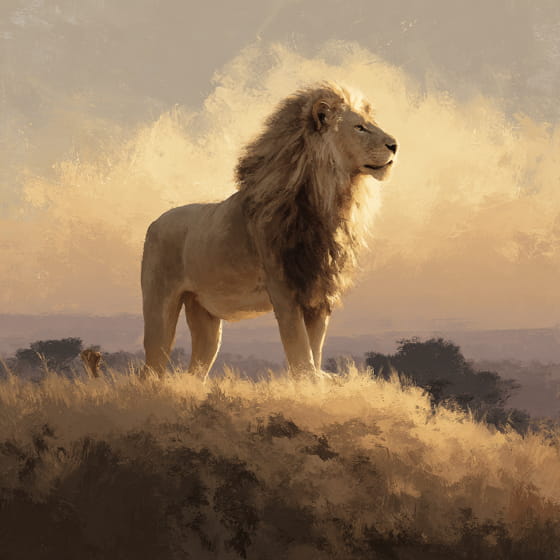
Get up close with African lions, Amur tigers, and snow leopards in lush, naturalistic habitats.
Discover a diverse collection of endangered primates, including western lowland gorillas, Sumatran orangutans, and Coquerel's sifakas.
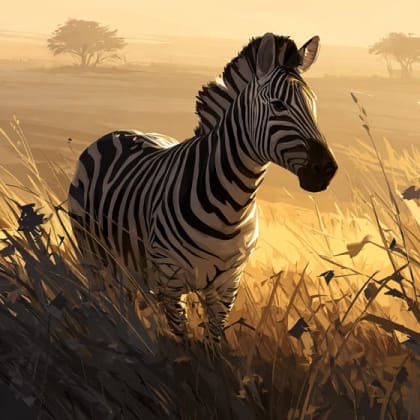
Encounter reticulated giraffes, southern white rhinoceros, and zebras roaming spacious enclosures. You might even catch a giraffe feeding experience.
Each card links to a full Explore page with photos, traits, and fun facts.
Start with the big picture, then zoom in to explore individual wildlife observations around this place.
Arrive Early or Late
To avoid the busiest times, especially school groups, plan your visit for shortly after opening or in the late afternoon. Animals are often most active in the mornings.
Utilize Zoo360
Keep an eye overhead and along the pathways for animals using the Zoo360 trails. This unique feature provides fantastic, unexpected viewing and photo opportunities.
Check Daily Schedule for Keeper Chats
Consult the zoo's daily schedule for keeper talks and animal demonstrations at various exhibits. These provide fascinating insights into animal behavior and conservation efforts.
Consider Public Transportation
To avoid parking fees and potential traffic, consider using SEPTA buses or the seasonal PHLASH shuttle, which offer convenient access to the zoo.
Wear Comfortable Shoes
The zoo spans 42 acres, so comfortable footwear is essential for a full day of exploration.
Pack Snacks or Plan Dining
While the zoo offers various dining options, you can also pack snacks and drinks (check current policy for outside food during general admission) to save money and stay energized throughout your visit.
Recent snaps will appear here as new observations are added.

Michigan, US
You might spot African Lion, Komodo Dragon, and Brown Bear.
View guide →
.jpg)
Municipal District of Cobh, IE
You might spot Ring-Tailed Lemur, Giraffes, and Cheetahs.
View guide →

Nouvelle-Aquitaine, FR
You might spot Greater Flamingo, Giraffes, and Red Panda.
View guide →

Texas, US
You might spot Giraffes, African Lion, and Eastern Black Rhinoceros.
View guide →