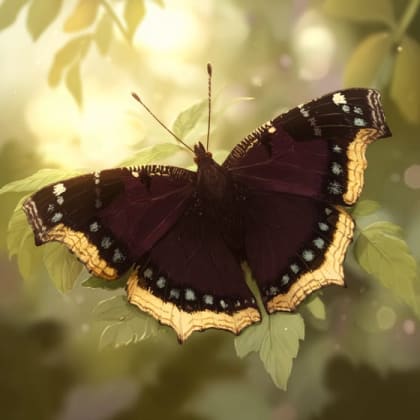





Mourning Cloak
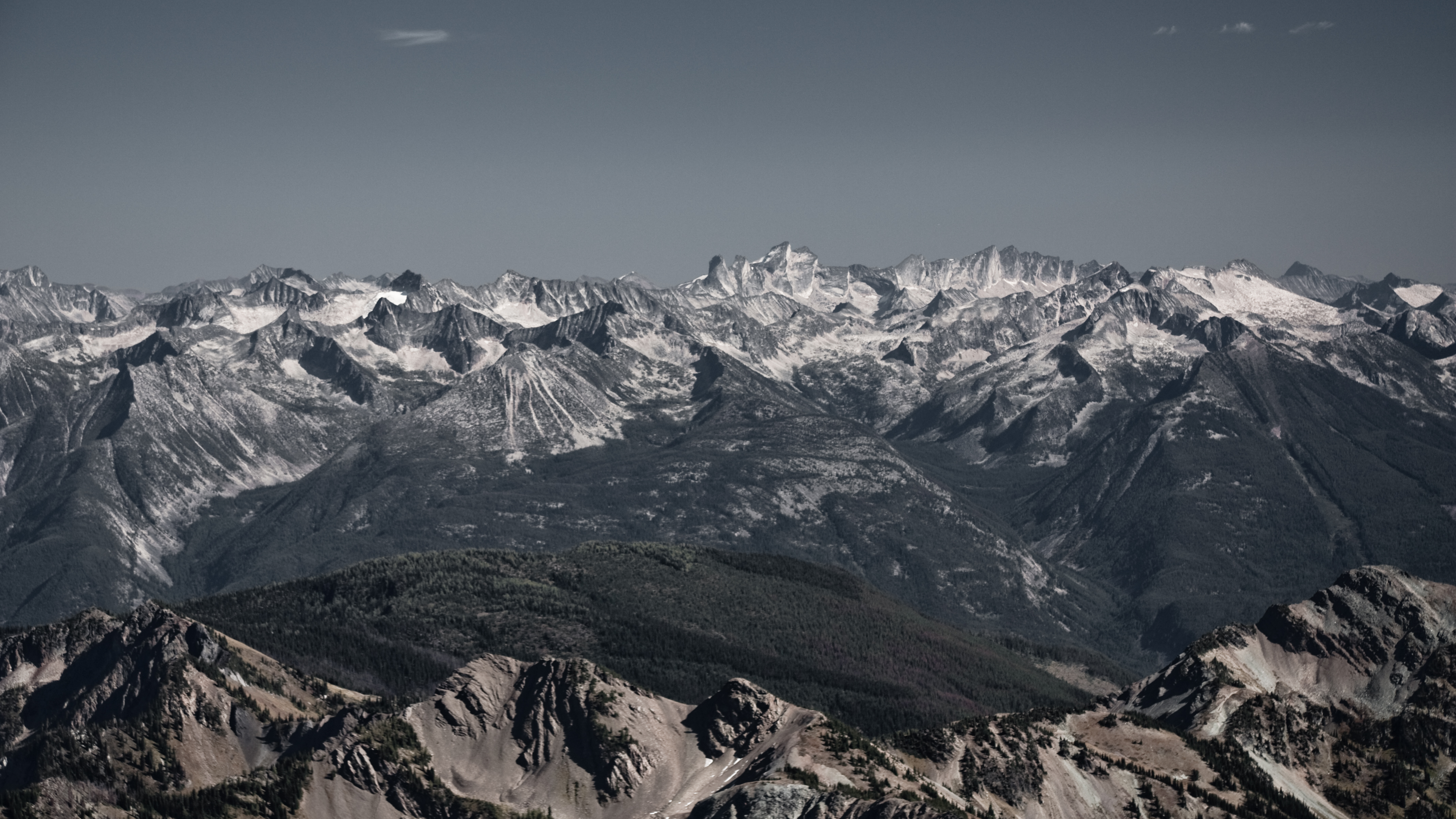
Nestled within British Columbia's majestic Purcell Mountains, the Purcell Wilderness Conservancy Provincial Park offers an unparalleled journey into one of Canada's most pristine and untouched wilderness areas.
Nestled within British Columbia's majestic Purcell Mountains, the Purcell Wilderness Conservancy Provincial Park offers an unparalleled journey into one of Canada's most pristine and untouched wilderness areas. Spanning over 200,000 hectares, this Class A Provincial Park is a testament to dedicated conservation, preserving a vast and vital ecosystem undisturbed by human development like roading, logging, or mining. It's a sanctuary of rugged mountains, sparkling alpine lakes, and ancient forests, inviting adventurers to immerse themselves in true backcountry solitude and experience nature in its rawest form.
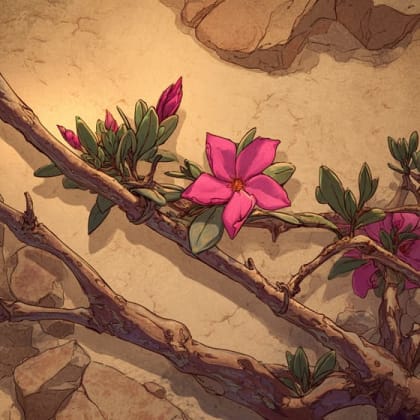
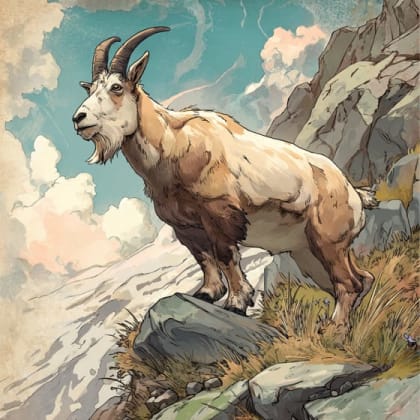
The Conservancy boasts an incredible array of habitats, from lush cedar-hemlock rainforests on its western flanks to dry Interior Douglas fir forests in the east, climbing through montane spruce and subalpine fir zones to reach dramatic alpine tundra. This ecological diversity supports an abundance of wildlife, including healthy populations of deer, moose, elk, mountain caribou, and the iconic Mountain Goat, alongside both grizzly and black bears. Birdwatchers can delight in over 90 identified bird species, while the park's vibrant flora showcases beautiful specimens like thimbleberry, Twinflower, fireweed, white pasqueflower, and common juniper, along with delicate butterflies such as the Green Comma and Mourning Cloak.
Visiting Purcell Wilderness Conservancy Provincial Park is an opportunity to disconnect from the modern world and reconnect with the rhythms of nature. It's a place where self-sufficiency is rewarded with breathtaking vistas, unforgettable wildlife encounters, and the profound silence of an ancient landscape. Whether you seek the challenge of multi-day treks along historic trails like the Earl Grey Pass or the simple awe of discovering a Western Toad or a Juniper Hairstreak in its natural habitat, the Purcell Wilderness Conservancy promises a memorable and transformative wilderness experience, leaving an indelible mark on the soul. Wondering what that bird or insect is? Find out on your visit using the Snappit nature app.
The history of the Purcell Wilderness Conservancy Provincial Park is deeply rooted in both Indigenous heritage and modern conservation efforts. The northern part of the park encompasses an ancient trade and transportation route used by First Nations peoples for centuries, linking the Rocky Mountain Trench and Kootenay Lake via Toby Pass. This route was later traversed by Canada's Governor General, Earl Grey, in 1908, inspiring the naming of the prominent Earl Grey Trail. Grey was so captivated by the area that he had a cabin built on Toby Creek and advocated for its protection, although formal park plans did not materialize at that time. Periods of mining activity, such as the Argenta Mine in the early 1900s, also left their mark, with some equipment still found within the park. However, it was the growing threat of logging in the 1960s that spurred local residents, outdoor clubs, and conservation groups into action. Their collective efforts led to the establishment of the Purcell Wilderness Conservancy in 1974, protecting 131,500 hectares and marking one of Canada's first large-scale wilderness areas set aside due to citizen activism. The Conservancy was further expanded in 1995 to its current size of over 200,000 hectares and reclassified as a Class A Provincial Park, cementing its status as a vital protected area in British Columbia.
Hiking, backpacking, mountaineering, wilderness camping, fishing, wildlife viewing, and horseback riding (permitted on the east side of the park only). Canoeing and kayaking are popular activities on nearby Kootenay Lake. In winter, experienced adventurers can enjoy ski touring and snowshoeing.
Spring (May-June): Snowmelt can lead to high and fast-flowing rivers, potentially making crossings difficult until late July. Wildflowers begin to emerge.
Summer (July-August): Peak hiking season. Be particularly bear aware, as August is noted as peak Grizzly time.
Fall (September-October): Cooler temperatures, changing foliage colors, and potentially good wildlife viewing as animals prepare for winter.
Winter (November-April): Heavy snow cover. Opportunities for experienced ski touring and snowshoeing. Wilderness camping is possible year-round if accessible, but visitors must be fully self-sufficient.
This is a true wilderness conservancy with no developed facilities, marked trails (in many areas), or regular services. It is not wheelchair accessible. Motorized vehicles, including ATVs, snowmobiles, bicycles, and aircraft, are prohibited. Visitors must be self-sufficient and skilled in backcountry travel and navigation.
A historic 63-kilometer (44-mile) multi-day trek offering stunning mountain scenery, glaciers, waterfalls, and cable car crossings.
A natural hot spring area, unique for its role as a mineral lick for ungulates like elk, Mountain Goat, and moose. While hot, it is not recommended for bathing to protect wildlife habitat.
Known for its unique geological features and dramatic scenery. Be aware that conditions can change due to natural events like mudslides.
A historical remnant from early mining activity, offering a glimpse into the region's past.
Each card links to a full Explore page with photos, traits, and fun facts.
Start with the big picture, then zoom in to explore individual wildlife observations around this place.
Be Prepared and Self-Sufficient
This is a true wilderness area with no facilities. Ensure you have all necessary gear, food, and emergency supplies for your trip, and be proficient in backcountry survival skills.
Navigation is Key
Carry detailed topographic maps and a compass or GPS, and know how to use them. Many trails are not marked, and route-finding skills are essential.
Practice Bear Safety
The park has a healthy bear population, including grizzlies. Carry bear spray, know how to use it, store food in bear-resistant containers, and be aware of your surroundings, especially in August which is peak Grizzly time.
Filter All Water
Giardiasis ("Beaver Fever") is present in backcountry waters. Always boil or filter any water consumed from natural sources.
Pack Gloves for Cable Cars
If hiking trails like the Earl Grey Pass, you'll encounter cable cars for river crossings. Gloves are recommended for pulling yourself across.
Leave No Trace
Adhere strictly to Leave No Trace principles to minimize your impact on this pristine environment. Pack out everything you pack in, stay on established paths where they exist, and respect wildlife.
Recent snaps will appear here as new observations are added.

Maryland, US
You might spot White-Tailed Deer and Eastern Gray Squirrel.
View guide →
.jpg)
District of Columbia, US
You might spot Eastern Gray Squirrel, Duck, and House Sparrow.
View guide →

Illinois, US
You might spot American Robin, Canada Goose, and House Sparrow.
View guide →

Virginia, US
You might spot Spotted Lanternfly and Northern Cardinal.
View guide →
Take the discovery with you
Identify the wildlife you spot, learn as you go, and keep a collection of the adventure.