Camel
The Zoo in Forest Park offers an intimate and engaging wildlife experience for all ages.
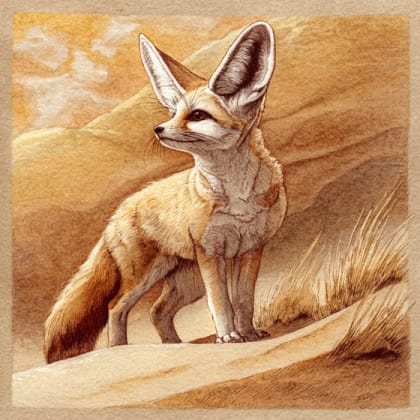
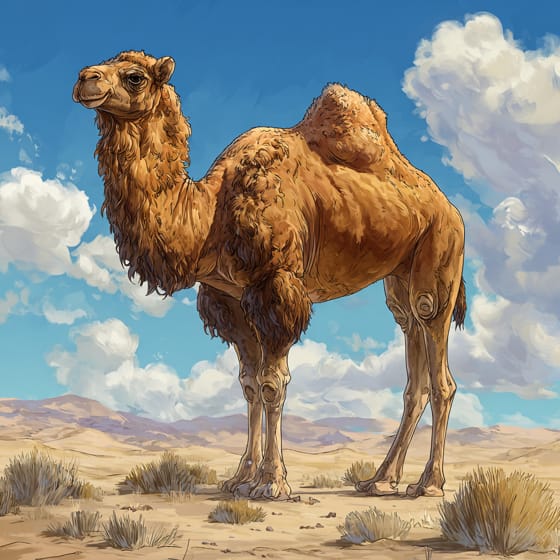
The Zoo in Forest Park offers an intimate and engaging wildlife experience for all ages. Nestled within Springfield, Massachusetts' expansive Forest Park, this non-profit zoo serves as a haven for over 200 native and exotic animals, many of whom are rescues that cannot be returned to the wild. Visitors can embark on a delightful journey through diverse habitats, observing fascinating creatures from the playful black-handed spider monkeys to majestic leopards and the charismatic dromedary camel, Max. The zoo prides itself on its educational mission, fostering appreciation for the natural world through up-close animal encounters and interactive learning opportunities. Wander through thoughtfully designed exhibits where you might spot a Fennec fox, an Arctic fox, or hear the distinct call of a peacock roaming freely through the grounds. The experience is designed to be accessible and enjoyable, making it easy for families to navigate the pathways and discover new animal friends around every corner. Beyond the captivating wildlife, the zoo frequently hosts special events, enhancing the visitor experience with seasonal festivities and unique educational programs. It's a place where every visit supports conservation and rehabilitation efforts, giving a second chance to animals and educating guests on biodiversity. Whether you're marveling at the strength of a bobcat or delighting in the antics of raccoons Thor and Loki, The Zoo in Forest Park provides memorable moments and inspires a deeper connection to wildlife. Enhance your adventure: download the Snappit app to identify the local species you encounter.
The Zoo in Forest Park boasts a notable history dating back to its opening in 1894, initially overseen by Springfield's Parks Department. A particularly interesting chapter involves Theodor Robert Geisel, father of the famed author Dr. Seuss, who served as a curator for thirty years. His time at the zoo profoundly influenced his son's creative work, with many of Dr. Seuss's whimsical creatures drawing inspiration from the animals young Theodor observed there. The elder Geisel even provided his son with antlers, beaks, and horns from deceased zoo animals, which Dr. Seuss used for his Unorthodox Taxidermy art collection. After facing financial difficulties in the 1970s and a temporary demolition in 1982, a smaller petting zoo known as the James P. Heady Kiddieland Zoo remained. This smaller facility was eventually expanded and, with a $1 million grant from the Massachusetts government in 1986, evolved into the modern Zoo in Forest Park, continuing its legacy of animal care and public education. Today, it operates as a non-profit organization, dedicated to rehabilitation and conservation.
Observe over 200 native and exotic animals, many of which are rescues. Participate in animal encounters during special events, and explore the wider Forest Park, which includes playgrounds, picnic areas, and walking paths.
Spring/Summer: The zoo is open daily. Some animals may be kept indoors during the hottest summer days. Events like Wine Safari and Brew at the Zoo occur in warmer months. Fall: The zoo typically transitions to weekend-only hours from late September through early November. Spooky Safari is a popular family-friendly Halloween event. Winter: The zoo closes for the winter season, generally reopening in late March or early April.
The zoo features mostly dirt paths but is generally stroller-friendly. Public restrooms are located just outside the zoo entrance in Forest Park. Parking for vehicles with handicap placards is free.
A friendly and popular resident.
A long-time favorite, visitors enjoy watching him prowl.
Including Baba, reportedly one of the oldest in captivity.
Keep an eye (and ear) out for these colorful birds wandering the grounds.
Each card links to a full Explore page with photos, traits, and fun facts.
Start with the big picture, then zoom in to explore individual wildlife observations around this place.
Bring cash for parking
Parking is managed by the City of Springfield and costs $3 for in-state plates and $5 for out-of-state plates (cash only).
Use the correct GPS address
For easy access, use 293 Sumner Ave, Springfield, MA, as other addresses might lead to a locked gate.
Pack a picnic
The zoo does not sell food, and outside food isn't allowed inside, so bring a picnic to enjoy at the many tables in Forest Park.
Check for library passes
Many local libraries offer museum passes that can provide free or reduced admission to the zoo.
Explore Forest Park
The zoo is located within the much larger Forest Park, which offers additional attractions like playgrounds, spray pads, and walking trails, perfect for extending your visit.
Purchase grain cones for an interactive experience: Feeding the hoofstock animals with purchased grain cones can be a fun and memorable activity, especially for children.
Recent snaps will appear here as new observations are added.

Michigan, US
You might spot African Lion, Komodo Dragon, and Brown Bear.
View guide →
.jpg)
Municipal District of Cobh, IE
You might spot Ring-Tailed Lemur, Giraffes, and Cheetahs.
View guide →

Nouvelle-Aquitaine, FR
You might spot Greater Flamingo, Giraffes, and Red Panda.
View guide →

Texas, US
You might spot Giraffes, African Lion, and Eastern Black Rhinoceros.
View guide →