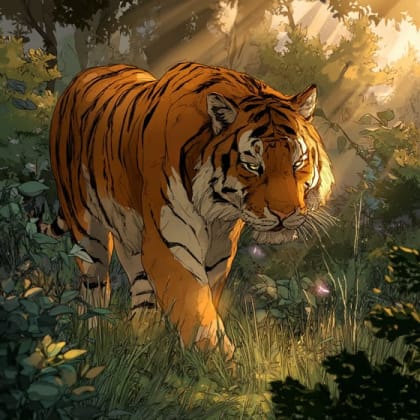





Tiger

The Tristate Zoological Park, once a destination for rescued animals, is now permanently closed.
The Tristate Zoological Park, once a destination for rescued animals, is now permanently closed. Located in Cumberland, Maryland, this 16-acre non-profit zoo operated from 2003 until its closure on October 2, 2022. Originally established to provide a home for exotic animals in need, including lions, tigers, primates, various exotic birds, and reptiles, the park aimed to educate visitors about wildlife. However, the zoo's history was marred by significant controversy and legal challenges. It was not accredited by the Association of Zoos and Aquariums (AZA) and faced numerous citations from the USDA for failing to meet minimum federal standards for animal care, including inadequate veterinary attention, poor sanitation, and unsafe enclosures. These issues ultimately led to a federal judge's ruling describing the conditions as "fetid and dystopic." The permanent closure in 2022 followed years of legal battles, primarily with PETA, which culminated in a settlement allowing for the relocation of nearly 80 animals of 30 different species. These animals found new homes in reputable sanctuaries and accredited zoos across several states. Enhance your adventure: download the Snappit app to identify the local species you encounter.
The Tristate Zoological Park opened its doors in 2003, founded with the mission to care for rescued and unwanted exotic animals. It was privately owned by Bob Candy and operated solely by volunteers. Early in its operation, the zoo faced a significant setback when a fire on March 29, 2006, destroyed its main building, resulting in the loss of approximately 100 animals, including exotic birds, reptiles, and monkeys. The cause was ruled accidental due to old electrical wiring. Despite this tragedy, the zoo continued to operate, but ongoing concerns about animal welfare began to mount. The USDA repeatedly cited the park for violations of the Animal Welfare Act, highlighting issues such as insufficient veterinary care, failure to maintain enclosures, lack of environmental enrichment for primates, and accumulation of feces. In 2013, the USDA suspended the facility's license for 45 days. PETA filed lawsuits, alleging violations of the Endangered Species Act due to "fetid and dystopic conditions" and inadequate care leading to premature deaths of several animals. In February 2020, following a federal court ruling, PETA forcibly removed three big cats (two lions and a tiger) from the park. The legal pressure and continued welfare concerns ultimately led to the zoo's permanent closure on October 2, 2022, with all remaining animals being relocated to other facilities.
Historically, visitors could observe various rescued exotic animals and learn about their individual stories. The venue is now permanently closed and no longer accessible.
While specific seasonal information is no longer relevant due to the permanent closure, zoos generally experience higher visitation in warmer months. The facility faced challenges related to enclosure maintenance and animal care regardless of season.
Specific accessibility details for the closed Tristate Zoological Park are unavailable. Historically, it operated as a non-profit zoo, but its operational standards were frequently questioned regarding animal welfare. No public access is currently possible.
Rescued exotic animals (historically) including lions, tigers, primates, and various exotic birds and reptiles.
A notable case study in animal welfare controversies and the closure of non-accredited zoos.
Each card links to a full Explore page with photos, traits, and fun facts.
Start with the big picture, then zoom in to explore individual wildlife observations around this place.
Research the accreditation status (e.g., AZA) of any zoo or animal park you plan to visit to ensure high animal welfare standards.
Be aware of the history of facilities that claim to 'rescue' animals, as some may not meet ethical care standards.
Support accredited sanctuaries and zoos that prioritize animal welfare and conservation.
Recognize that not all facilities housing exotic animals provide adequate care, and public awareness can play a role in advocating for animals.
Recent snaps will appear here as new observations are added.

Michigan, US
You might spot African Lion, Komodo Dragon, and Brown Bear.
View guide →
.jpg)
Municipal District of Cobh, IE
You might spot Ring-Tailed Lemur, Giraffes, and Cheetahs.
View guide →

Nouvelle-Aquitaine, FR
You might spot Greater Flamingo, Giraffes, and Red Panda.
View guide →

Texas, US
You might spot Giraffes, African Lion, and Eastern Black Rhinoceros.
View guide →