
African Lion

The Utica Zoo invites visitors to connect with diverse wildlife in a beautiful park setting.
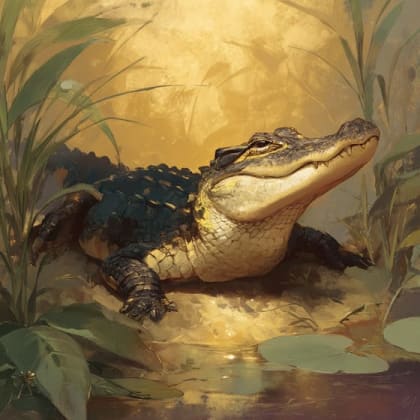
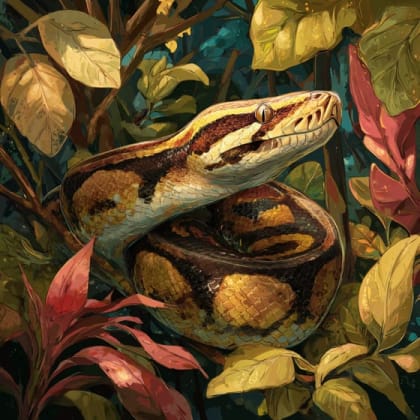
The Utica Zoo invites visitors to connect with diverse wildlife in a beautiful park setting. This regional zoo, accredited by the Association of Zoos and Aquariums (AZA), provides a unique opportunity to encounter animals from across the globe, housed in thoughtfully designed indoor and outdoor habitats. Stroll through themed sections like the African Ridge, home to majestic African lions and Hartmann's mountain zebras, or explore the Forever Forests to see agile Mexican spider monkeys and charming red pandas. The visitor experience is designed for immersion and education. In the Scales & Tails exhibit, you can observe a variety of reptiles and small mammals, including impressive Burmese pythons and Chinese alligators. The Backyards & Barnyards area offers a more interactive experience, where guests can get up close with domestic animals like Nigerian dwarf goats and miniature donkeys, even having the chance to feed some friendly farm animals. Beyond animal encounters, the zoo features nature trails, like the North Trek, and the engaging Wadas' Wild Play Park, where children can slide out of the mouth of a gigantic snake. The Utica Zoo is more than just an animal display; it's a hub for conservation and education, aiming to foster public understanding and appreciation for wildlife. With its mix of exotic and domestic species, interactive exhibits, and a commitment to animal well-being, the zoo offers a fulfilling and memorable outing for visitors of all ages, providing insights into various ecosystems and the importance of conservation efforts. Wondering what that bird or insect is? Find out on your visit using the Snappit nature app.
The Utica Zoo has a rich history spanning over a century, beginning in 1914 with an initial collection of just three fallow deer. The land, situated within Roscoe-Conkling Park, was generously donated by Thomas R. Proctor in 1909, who envisioned a park as significant to Utica as Central Park is to New York City. Frederick Law Olmstead Jr., whose father designed Central Park, was commissioned to plan the park's scenic walkways and roads. The zoo was initially operated by the City of Utica Parks Department until 1964, when the Utica Zoological Society assumed full management to ensure its continued existence. The first professional zoo director was hired in 1966, and a Children's Zoo, officiated by Marlin Perkins, opened just a year later. The Zoological Society was chartered as an educational institution by the New York State Education Department in 1968, further solidifying its mission. After facing financial challenges and losing accreditation in 2004, the zoo diligently worked towards re-accreditation, successfully regaining its AZA status in 2018, demonstrating its commitment to high standards of animal care.
Explore the various animal habitats, attend daily keeper talks for insights into animal care, and let children enjoy the Wadas' Wild Play Park. In the Backyards & Barnyards section, you can purchase quarters to feed the friendly Jacob sheep, Nigerian dwarf goats, and other farm animals.
While many animals are viewable year-round, some may be off-exhibit during colder weather. Water fountains are closed during winter months. The concession stand, Polly's, operates seasonally, typically opening daily from April through Labor Day and then on weekends until the end of October.
The zoo features step-free entrances and accessible pathways to ensure ease of movement. Non-electric wheelchairs are available for loan at no charge, and visitors can call ahead to reserve one. While ScooterPals (motorized scooters) are available for rent, they are not fully suitable for all mobility issues due to their design. Service animals (dogs) are permitted in accordance with the ADA, but emotional support animals or pets are not.
African lions and Hartmann's mountain zebras in the African Ridge
playful Mexican spider monkeys and red pandas in Forever Forests
intriguing reptiles and amphibians in Scales & Tails
North American river otters
Each card links to a full Explore page with photos, traits, and fun facts.
Start with the big picture, then zoom in to explore individual wildlife observations around this place.
Wear comfortable shoes
The zoo has various pathways, including nature trails, so comfortable footwear is recommended for exploring the entire facility.
Bring quarters for feeding
Head to the Backyards & Barnyards area with quarters to feed the Jacob sheep, Nigerian dwarf goats, and other farm animals for an interactive experience.
Pack a picnic or snacks
Outside food and non-alcoholic beverages are allowed, and there are numerous picnic tables and pavilions throughout the zoo, making it a great way to save money and enjoy the outdoors.
Check the website for events and talks
Before your visit, consult uticazoo.org for daily keeper talk schedules and special events, such as "Sunset Sips" or "Spooktacular," to enhance your experience.
Utilize the correct GPS address
If using GPS, use "220 Memorial Parkway, Utica, NY 13501" to avoid being directed to a service entrance, then follow the Utica Zoo signs.
Consider a membership
If you plan to visit multiple times a year, a membership offers free admission, gift shop discounts, and reciprocal benefits at other zoos and aquariums nationwide.
Recent snaps will appear here as new observations are added.

Michigan, US
You might spot African Lion, Komodo Dragon, and Brown Bear.
View guide →
.jpg)
Municipal District of Cobh, IE
You might spot Ring-Tailed Lemur, Giraffes, and Cheetahs.
View guide →

Nouvelle-Aquitaine, FR
You might spot Greater Flamingo, Giraffes, and Red Panda.
View guide →

Texas, US
You might spot Giraffes, African Lion, and Eastern Black Rhinoceros.
View guide →