





Abert'S Towhee
melozone aberti
The Abert's Towhee is a cheerful bird known for its distinctive call! It loves to hop around on the ground, looking for tasty seeds and insects to eat.
Habitat: Abert's Towhees live in dense shrubby areas, often near wetlands and waterways.
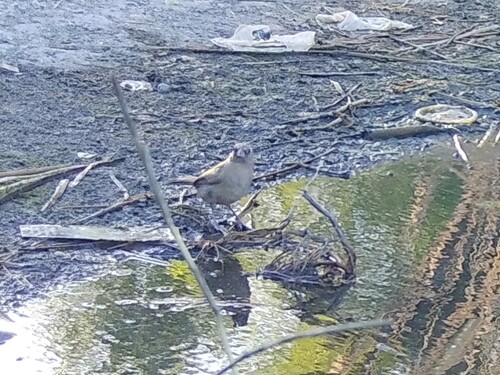
The Abert's Towhee is a medium-sized bird with uniform, plain grayish-brown plumage, a slightly darker head, and a small dark bill. Its subtle coloring and pale undertail coverts differentiate it from other towhees with bolder markings or streaked chests.
Category
BirdsRarity
Common
Danger
0/5 · No known danger
Snaps
1
Abert's Towhees rarely fly far from the ground, preferring to stay hidden in dense bushes!
They are named after explorer James W. Abert, who first documented this bird species!
They build cup-shaped nests low in shrubs, sometimes just a few feet above the desert floor!
Unlike many birds, these towhees often stay with the same mate for their entire lives!
Abert's Towhee can use a unique two-footed hop-and-scratch technique that helps them uncover hidden seeds and insects from the ground.
Abert's Towhee has an instinct to take regular dust baths that helps them keep their feathers clean and free of parasites.
Abert's Towhee can survive in arid desert environments because they stay very close to vital water sources in riparian areas.
An omnivore, the Abert's Towhee mainly eats seeds, fruits, and insects it finds by scratching the ground.
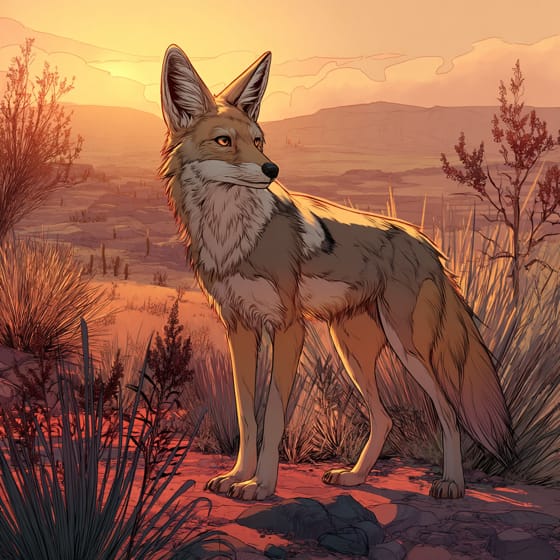
Canis latrans
Coyotes may prey on Abert's Towhees, especially ground-nesting adults and chicks.
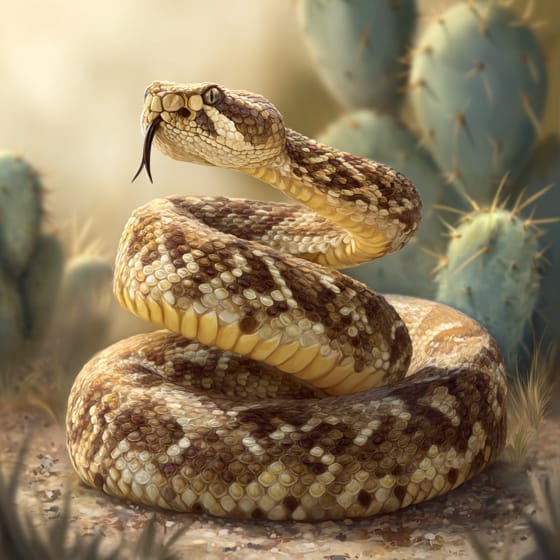
Crotalus atrox
Rattlesnakes are known predators of ground-nesting birds, including towhees and their eggs.
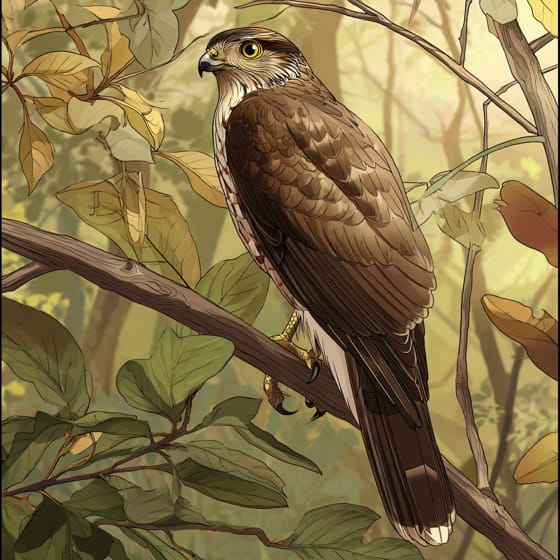
Accipiter cooperii
Cooper's Hawks are swift hunters that can prey on small to medium-sized birds.

Prosopis glandulosa
Abert's Towhees frequently consume the seeds of mesquite trees found in their habitat.
Social animals live in organized groups, cooperating for survival benefits such as foraging, defense, and raising offspring.
Colorful describes organisms or objects displaying a wide range of bright and distinct colors.
Grassland habitats are terrestrial biomes dominated by grasses and herbaceous plants, supporting a variety of grazing animals.
Forest habitats are terrestrial environments dominated by dense tree cover, supporting a high diversity of plant and animal life.

Diurnal animals are primarily active during daylight hours, typically resting or sleeping at night.
Danger
0/5 · No known danger
No special safety notes yet.
The easiest way to identify Abert'S Towhee is to use the Snappit nature identifier app.
22-24 cm
28-32 cm
0.045-0.06 kg
3-7 years
35 km/h
An omnivore, the Abert's Towhee mainly eats seeds, fruits, and insects it finds by scratching the ground.
Abert's Towhees live in dense shrubby areas, often near wetlands and waterways.
Zoom in to split clusters and explore where this object has been snapped.
Jun 7, 2026
Las Vegas High School Neighborhood Historic DistrictPhoto attribution
(c) Katrina Smith, some rights reserved (CC BY)
License: CC BY 4.0 ↗
Image may be shown cropped inside the card frame.

Nevada, US
You might spot Barbary Macaque, Chimpanzee, and African Lion.
View guide →

Nevada, US
You might spot Great-Tailed Grackle and Northern Mockingbird.
View guide →
Nevada, US
You might spot Northern Mockingbird and Great-Tailed Grackle.
View guide →

Nevada, US
You might spot Great-Tailed Grackle and Northern Mockingbird.
View guide →

Arizona, US
You might spot Desert Cottontail, Yellow-Rumped Warbler, and Black Phoebe.
View guide →
Take the discovery with you
Snap it with Snappit to identify it, learn what makes it special, and add the discovery to your collection.




.jpg&width=800)








