Snappit logo
Snappit
Get App
Generic illustration, not a photograph of this venueIllustration
ParkCataluña, Spain

La Devesa Park

La Devesa rewards a slower pace than a sightseeing checklist.

About

La Devesa rewards a slower pace than a sightseeing checklist. Step into an avenue and look along the repeated lines of trunks, then up towards the canopy. The trees give this part of Girona a strong sense of space: a short walk can feel generous without taking you far from the city.

The plane-tree grove is a planted landscape. Its regular arrangement is part of the attraction, and the change from leaf-filled shade to bare winter branches makes it worth seeing in different seasons. Look closely at the patchwork bark and the large lobed leaves rather than trying to cover every corner.

For a second chapter, head for the Jardins de la Devesa in the park’s south-eastern corner. The enclosed gardens offer a different scale, with shaped hedges, ornamental planting, sculpture and a canal around the edge. When the gates are open, take your time on the garden paths and compare this carefully arranged space with the taller grove outside.

This is also a working city park, with sports facilities and major events. The quiet visit you imagine may coincide with a market or fair preparations. Check the programme before choosing a day, and keep the plan flexible: an hour of looking closely can be more enjoyable than insisting on a full circuit. Wondering what that bird or insect is? Find out on your visit using the Snappit nature app.

La Devesa began as river-deposited land used for practical purposes, including wood production and protection against flooding. During the nineteenth century, it developed into a public park with planted avenues and gardens. Many of its plane trees date from the 1850s. The park received national heritage protection in 1943. Its history is also social: promenades, music, sport and fairs have shared the space with tree care. The current landscape depends on that care, including watering, pruning and attention to the health of individual trees.

What to do here

Combine a stroll along the plane-tree avenues with the enclosed gardens, if open. Add a few minutes of quiet birdwatching or a sketching stop. Choose the distance on the day rather than following a fixed loop through an event area.

Seasonal info

The plane trees lose their leaves, so winter shows the structure of the avenues particularly clearly. Wet leaves and unsealed ground can make footing less comfortable after rain. In strong wind, thunderstorms or heavy rain, postpone the tree-lined walk and follow municipal warnings and barriers.

Accessibility

Choose the particular entrance, avenue and garden section with your group’s needs in mind. The park includes unsealed sauló surfaces; their firmness can change with weather and use. Ask the tourist office about a suitable approach, garden-gate access, rest points and an open accessible toilet before a visit that depends on them. A wide avenue alone does not establish a step-free route throughout the park.

Don't miss

1

Tall plane trees arranged in long, orderly avenues

2

The more intimate Jardins de la Devesa, with clipped hedges and ornamental planting

3

Bark, leaf shapes and canopy patterns that change through the year

4

A short city nature outing with time to listen for birds

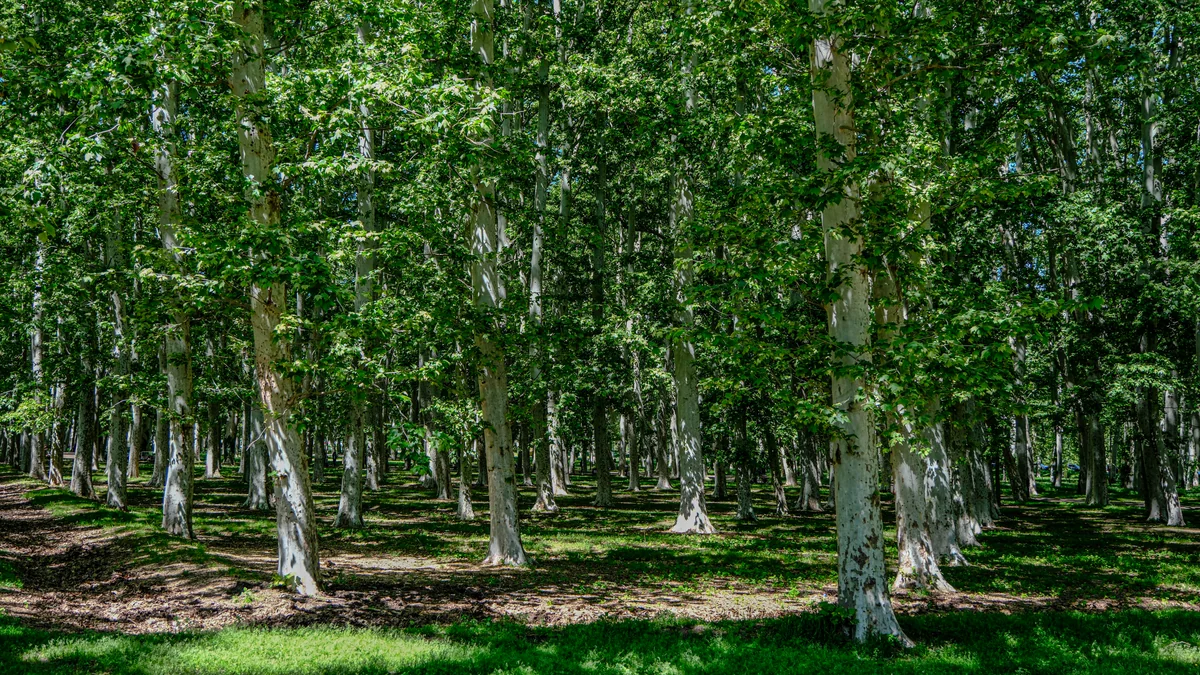
Rows of tall pale, mottled tree trunks beneath a dense green canopy, with sunlit grass and leaf litter between them.

Plane trees in La Devesa, Girona, photographed in May 2024. The repeating trunks and leafy canopy show the planted grove’s distinctive character.

Plane trees in the Devesa Park in Girona (53700436979).jpg — Winniepix / Wikimedia Commons / CC BY 2.0 Generic · Creative Commons 1 · Creative Commons 2

Walks and routes

Avenues and enclosed gardens

Use the existing avenues for a short out-and-back stroll, then visit the Jardins de la Devesa if its gates are open. The gardens are in the south-eastern part of the park. Pause wherever you can do so without blocking the path, and return the way you came when the group has had enough. Allow 60–90 minutes with stops. This is a flexible visit idea, not a signed circular trail.

Choose a surface and approach that suit your wheelchair, pushchair or walking needs. Check the garden entrance and current unsealed ground before committing to a longer visit; ask for local advice if a step-free route or accessible toilet is essential.


A short city break

Begin with an avenue, pause to examine bark and leaves, then try the enclosed gardens if open. Finish while everyone still has energy for the rest of Girona. About an hour is enough for a satisfying first look without rushing to every landmark.

A slower morning with children

Allow 90 minutes to two hours for the same small area. Add the tree-detail hunt and a rest stop, with time for snacks you have brought. Choose an open, suitable place to stop and keep the canal edge out of the play area.

During the Fires: choose your purpose

If you are coming for the festival, use its current programme and pedestrian directions. If you want birdsong and a calm garden visit, choose a date outside the busy setup, festival and dismantling period when possible. Do not combine a quiet-nature expectation with a fixed route through the fairground.

Things to try

Try a tree-detail hunt

Give each person one detail to find: a patch of peeling bark, a lobed leaf, a round seed head or a surprising pattern in the branches. Photograph or sketch what you notice. Leave everything attached or on the ground, and compare your discoveries at the end.

Look for the gardener’s hand

Inside the gardens, notice how clipped hedges make shapes and divide the space. Compare those small patterns with the long rows of the main grove. This is an easy way to turn a short walk into a conversation about how people design green places.

Listen before looking

Stop safely to one side of a path for a few quiet minutes. Try separating bird calls from footsteps, traffic and leaves moving. Binoculars can help, but a calm pause matters more than equipment. Do not use playback to bring a bird closer.

Make sport a separate part of the plan

The municipal sports area has tennis, padel and sand courts, with swimming in season. If that appeals, check the booking arrangements, charges and current timetable before the day. The nature walk can be enjoyed on its own without entering a sports facility.

After light rain, keep it small

If warnings allow and the ground suits your group, choose a brief visit near your arrival point and turn back before wet surfaces become a problem. You do not need to complete a loop to enjoy the trees.

In wind or storms, change the outing

Move the visit to another day rather than sheltering beneath the tall trees. The tourist office can help you choose an indoor option in Girona; check that venue’s own opening and admission before going.

Wildlife and habitats

Plane trees

The avenues were deliberately planted with hybrid planes. Look for bark that flakes in broad patches and large lobed leaves; in winter, the branching structure becomes easier to see. These are cultivated park trees, even though the grove feels woodland-like.

Blue tit

Look for a small bird with a blue-toned cap, pale cheeks and yellow underparts. A quiet pause can make movement among branches easier to notice. Girona’s park interpretation lists this as part of La Devesa’s wild bird life.

Great tit

Compare its dark head and pale cheeks with the blue tit’s smaller, blue-capped appearance. Its repeated two-note song is another clue to listen for. It is one of the wild birds included in the council’s interpretation of this park.

Tawny owl

The council includes tawny owl among the birds associated with La Devesa’s mature trees. Take that as a reason to value old trees and their cavities, rather than an invitation to find a roost. Leave tree holes undisturbed and keep this visit focused on what you can observe from ordinary paths.

Stories and discoveries

A planted grove with wildlife value

The avenues are a designed landscape, while wild birds use the trees for shelter and feeding. Look beyond the planting pattern and notice how wildlife makes use of it.

Water helped make this place

River sediment and flooding shaped the land before it became a public park. Today the garden canal and irrigation system are part of a managed landscape. Look at them from the path and keep children within reach.

Historic gardens still need everyday care

Heritage protection does not mean the park stays unchanged. Tree inspection, pruning and watering help keep it alive and usable. A temporary barrier or closed avenue may be part of that care, so choose another open section.

When to visit

Spring: watch the canopy develop

Fresh leaves change how light reaches the avenues. Try the tree-detail hunt without picking leaves or flowers, then compare the grove with the ornamental garden planting.

Summer: take advantage of shade thoughtfully

Choose cooler hours, carry water and shorten the walk in uncomfortable heat. If a market or pool visit is part of the day, check its separate location, season and arrangements first.

Autumn: leaves and a busy city calendar

Leaf colour and fallen leaves make good subjects for photographs, but wet leaves need care underfoot. The Fires de Sant Narcís and their preparation period may change access and atmosphere; read the dated update before planning a quiet outing.

Winter: look at the shape of the trees

With less foliage, the repeated trunks and branches become the main attraction. Choose a dry, calm day, bring a warm layer and keep the visit short if the ground is wet.

Getting there and practical advice

Enclosed gardens and their gates

Check the displayed opening information before entering the Jardins de la Devesa. The published park information confirms the gardens and gates but does not give a dependable current daily timetable. Girona’s tourist office can help with the latest arrangements.

Toilets, drinking water and picnic provision

The city’s sports-area listing includes toilets, drinking fountains and a picnic area. Ask which are open and suitable for your needs; a facility inside the sports area may depend on its hours. Bring water rather than relying on every fountain working. Market-day facilities should not be assumed available throughout the week.

Sports-area hours are separate

For 12 September 2026 to 8 June 2027, the municipal schedule lists courts and the sand area as open Monday–Friday 16:00–21:00, Saturday 10:00–20:00 and Sunday 10:00–14:00, with specified holiday closures. Confirm your date, admission and reservation on +34 972 209 354. These are not the park or garden hours.

Swimming is a summer facility

The published 2026 swimming season was 10 June–11 September. Treat the pool as a separate summer visit requiring its own current dates and admission information, rather than a year-round park amenity.

Ask Girona’s tourist office

For garden opening, a suitable approach and current local advice, contact +34 972 010 001 or [email protected]. Be specific about your visit date and any mobility or toilet requirements so you can plan the whole outing.

Approach on foot from the city

La Devesa lies north-west of central Girona and works well as an outdoor break during a city visit. Use the council’s city map or local signs to choose a pedestrian approach from where you are staying. Check crossings and temporary event diversions rather than following a straight line towards the trees.

Check the stop that suits your entrance

Ask the tourist office or use current municipal transport information for the best stop from your starting point. Event diversions can change the final approach. Check both the outward and return journey for your date.

Check parking before driving

Use legal designated spaces and read the signs for the day of your visit. The Passeig de la Devesa parking closure for the 2026 Fires runs from 22 October at 00:00 to 2 November at 08:00. Other nearby parking is also affected, so consult the full municipal notice before setting off.

Match the ground to your equipment

Sauló is an unsealed, sandy-granular surface used in parts of the park. Its performance after rain or heavy use matters more than how broad a path looks. Check the first stretch, keep a return option and ask locally about firmer alternatives. Ask about slopes, kerbs and any steps along the whole approach, too.

Check the gate and the toilet separately

Before a visit that depends on step-free access, ask about the particular garden entrance, threshold, open path and available accessible toilet. Published general facilities lists do not confirm these details. Arrange the whole outing around the answer.

Choose a calmer day

The fair period can bring music, crowds and setup activity. For a quieter visit, favour a non-event morning and a short, flexible walk. If the park feels too busy, leave time to return on another day.

Sources and useful links

Wildlife you might spot

4

Each card links to a full Explore page with photos, traits, and fun facts.

Snap map for this place

Start with the big picture, then zoom in to explore individual wildlife observations around this place.

Loading map…

Good to know before you go

Check Girona’s incident notices and events before leaving, especially around the Fires de Sant Narcís. Follow temporary pedestrian routes and keep clear of setup vehicles.

Check the enclosed gardens’ gate notice when you arrive. Ask the tourist office beforehand if entering the gardens is essential to your visit.

Bring drinking water, a snack and comfortable shoes with grip. Use water points only when they are operating and marked as drinking water.

Keep children close beside the canal, irrigation channels and road crossings. Enjoy the water from the path rather than stepping into it.

Watch birds quietly without feeding them, playing calls or investigating tree holes. Wildlife sightings are a bonus, not a promise.

Leave bark, plants and fallen natural material in place. Do not attach hammocks, ropes or games to the trees, and stay outside maintenance barriers.

Keep a short return option. Heat, tiredness, soft ground or an event crowd are good reasons to turn back rather than complete a circuit.

Use designated parking and check its current restrictions. Walking from central Girona can save the trouble of finding a space beside a busy event.

Frequently asked questions

For the suggested visit, orient yourself towards the Jardins de la Devesa in the south-eastern part of the park. Check the gate notice, then combine whichever garden paths are open with an adjacent plane-tree avenue. The tourist office can help you choose an approach from your starting point.
The enclosed gardens have their own gates. Check the notice there or ask Girona’s tourist office for the current opening hours; do not plan on being able to enter at any time of day.
The council presents the park as a place for self-guided visits. Sports courts, swimming, guided activities and fair attractions have separate opening, booking and payment arrangements. Confirm those with the relevant operator rather than treating them as part of the walk.
It may suit a short outing if the chosen approach and surfaces work for your equipment. Ask about the exact entrance, current ground conditions, garden gates and toilet access. Keep the route flexible after rain or during event setup.
They are separate green spaces. Girona’s official nature itinerary combines them across the River Ter, but this visit stays within La Devesa and its gardens. Use the full official itinerary only if you want to plan that additional outing separately.
The famous avenues are planted. The council identifies their trees as hybrid planes, Platanus × hispanica. Birds using the park are a different part of its nature story: an urban landscape can support wildlife even when its main trees were deliberately planted.
The municipal pool is seasonal and has its own admission arrangements. Its published 2026 season ran from 10 June to 11 September. Check a new season’s dates, prices and conditions before making swimming part of a future visit.
They can change both the atmosphere and the routes available through the park. For 2026, setup is authorised from 15 October and dismantling through 8 November, around the festival itself from 23 October to 1 November. Follow the current signs and choose another day if your aim is a quiet tree-and-garden visit.

Recent snaps at this place

Recent snaps will appear here as new observations are added.

View all ›

Take the discovery with you

Exploring La Devesa Park?

Identify the wildlife you spot, learn as you go, and keep a collection of the adventure.

  1. 1Spot it
  2. 2Snap it
  3. 3Keep the discovery