Snappit logo
Snappit
Get App
Generic illustration, not a photograph of this venueIllustration
ParkNouvelle-Aquitaine, FR

Médoc Regional Nature Park

Médoc Regional Nature Park spreads across 51 communes and about 234,000 hectares in Gironde, Nouvelle-Aquitaine.

About

Médoc Regional Nature Park spreads across 51 communes and about 234,000 hectares in Gironde, Nouvelle-Aquitaine. The Atlantic coast, lakes, pine forests, vineyards and Gironde estuary all belong to its story. Cousseau gives you a manageable introduction to the western, lake-and-forest side; it cannot stand in for the whole peninsula.

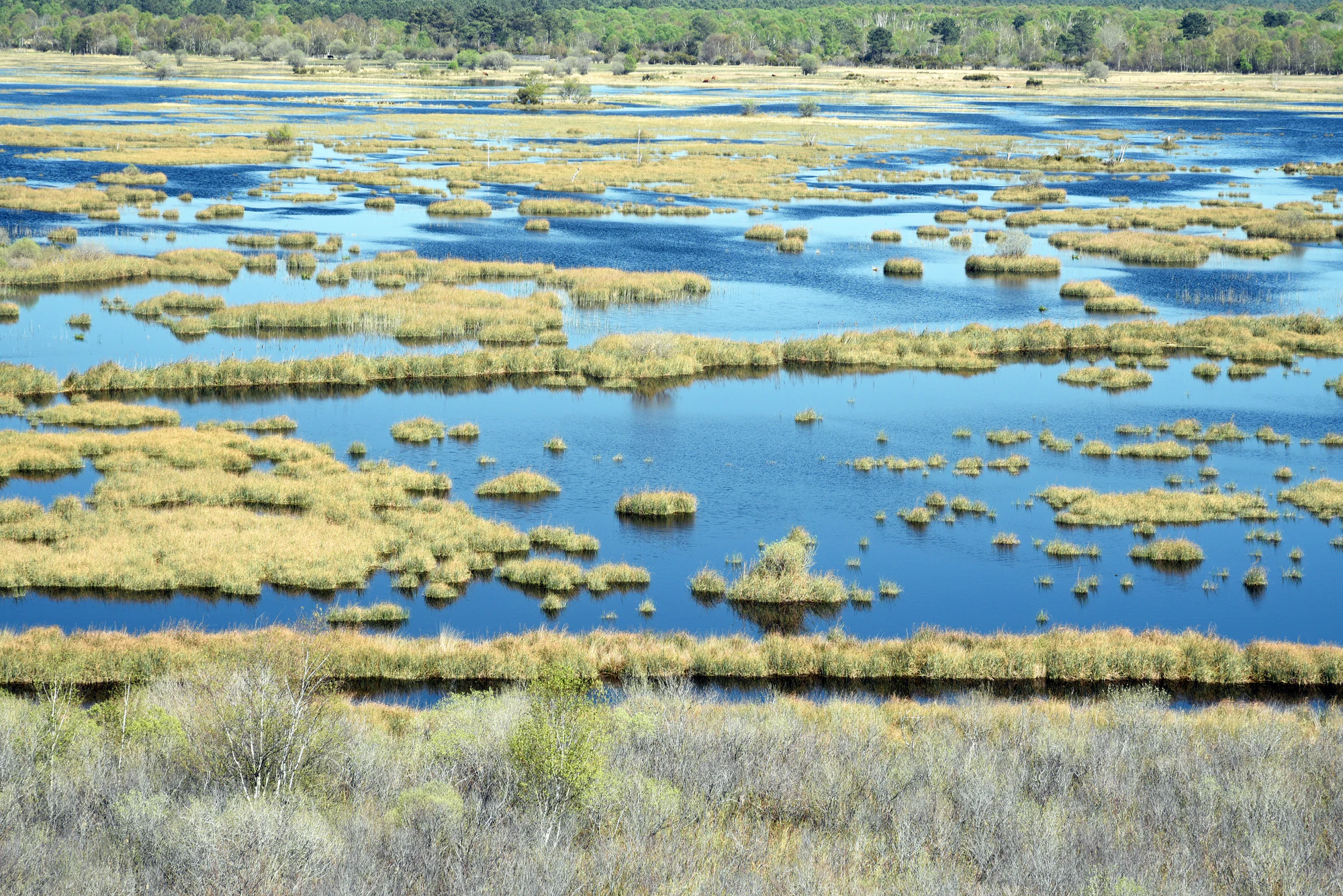
The Réserve naturelle nationale de l’étang de Cousseau lies in Lacanau, between the larger lakes of Carcans-Hourtin and Lacanau. Its protected core covers 600 hectares, with additional conservation land around it. Walking here takes you from wooded dunes towards the pond and marsh. The change in scale is the pleasure: enclosed woodland gives way to a wide, open view across water and vegetation.

Allow the landscape to be the main attraction. You can enjoy the route without identifying every bird, and children can follow the illustrated interpretation stops before trying binoculars at a viewpoint. Choose a guided visit if you want help understanding the reserve’s management or seasonal wildlife. The full outing is best for walkers, including children, who are comfortable covering 7.5 km. It is not a suitable choice for families needing a very short, accessible stroll. Take the ultimate field guide with you: use the Snappit app to identify birds, plants, and animals on your trip.

Cousseau became a national nature reserve in 1976, long before the Médoc’s regional park designation in 2019. Those two dates describe different protections at different scales. The regional park supports a living rural territory, while Cousseau has its own reserve rules and management. Older local livelihoods, including pastoralism and resin tapping, help explain why the present landscape is more complex than a simple division between “natural” and “worked” land.

What to do here

Follow the marked Cousseau visit from Marmande parking, explore the interpretation trail and pause at the authorised viewpoints. Bring binoculars rather than expecting close encounters. Keep the rest of the day flexible so an absorbing birdwatching stop does not turn the walk back into a rush.

Seasonal info

The marsh changes with seasonal water levels. A winter visit and a summer visit can look very different, so do not use the photograph as a prediction of water coverage. In warm weather, plan around heat and fire-access restrictions before choosing a departure time.

Accessibility

The published Cousseau itinerary includes dune slopes, gravel paths and stairs. It is not a verified step-free route. Ask SEPANSO about your specific mobility needs before travelling; observation towers and the entire approach need to be considered separately.

Don't miss

1

A forest-to-wetland transition behind the Atlantic dune belt

2

Interpretation stops and elevated views across Cousseau

3

Winter crane gatherings, when conditions and timing align

4

A close look at how grazing supports wetland conservation

Blue water channels wind between golden grassy patches, with trees along the horizon.

The Étang de Cousseau wetland, photographed in April 2017.

“Wild nature” by Hervé Simon. CC BY-SA 2.0. Original photograph unchanged. · Creative Commons

Walks and routes

Cousseau from Marmande: the complete visit

Start at Marmande parking on the D6E1 between Le Huga and Carcans-plage. Follow the signed approach towards Cousseau and the Lesperon entrance, then use the marked interpretation circuit and viewpoint paths before returning to Marmande. The published total is 7.5 km, including the approaches. Think of it as a proper half-day walk: save energy and water for the return after you have spent time watching the marsh.

Gironde Tourisme rates the route medium difficulty. Dune climbs, gravel and stairs make the complete itinerary unsuitable to describe as wheelchair-accessible or pushchair-friendly without individual advice.


Cousseau from Marmande: the complete visit

A half-day with room to stop

Before setting out, decide whether everyone is happy with the full distance and check the access notices. Walk the forest approach at a sustainable pace, use the interpretation stops selectively and give the pond or marsh view the longest pause. Have your snack where permitted, pack everything away and begin the return while the group still has energy. Avoid adding every tower or detour simply because it is there.

A second day for a different Médoc

If you have another day, choose one contrasting landscape rather than driving between every highlight. The Gironde side brings small ports and traditional fishing structures called carrelets; the Atlantic side brings dunes and the ocean; inland you pass vineyards and settlements. Use the park’s route information to select a separate outing. Check coastal conditions and supervision if swimming becomes part of that day.

Things to try

Give the viewpoints some time

At the first open view, put the map away for a few minutes and scan a small section of water or reed edge. Take turns with binoculars rather than trying to see the entire marsh at once. For children, a good question is how many different ways the birds are using the place: resting, feeding, flying or hiding. You do not need a long species list for the stop to be worthwhile.

Join a reserve-led outing

A guide can connect the scenery to the work behind it: water management, grazing, bird movements and older local traditions. SEPANSO offers booked visits, while special programmes have included family investigations, photography and landscape history. Choose the actual advertised outing for your dates. Check its walking distance, age guidance, meeting point and price before booking; an activity inside the reserve may still require an approach walk.

Photograph the pattern of the marsh

The broad view suits landscape photography as much as bird photography. Frame the channels, vegetation and distant tree line from an authorised viewpoint, then try a tighter composition without moving closer to wildlife. A longer lens helps with distant details. Keep space for other visitors and leave drones at home: the reserve prohibits overflight, including drones.

When the forest is the wrong choice

Postpone Cousseau in strong winds, thunderstorms or active closure conditions. The shorter Berle trail is not a reliable substitute while its municipal closure remains unresolved. For a poor-weather day, use the tourist office to choose an indoor cultural visit with confirmed opening hours, and save the wetland walk for a safer forecast.

Wildlife and habitats

Common crane (Grus grus)

Winter is the relevant season for Cousseau’s crane gatherings. Watch from the visitor viewpoints and ask the reserve about current guided opportunities. Flocks may be distant, and their timing and numbers vary.

Osprey (Pandion haliaetus)

The reserve manager identifies osprey among migration-season birds. Scan the open water and sky from a permitted viewpoint, but regard a sighting as a possibility rather than the purpose on which the whole visit depends.

Eurasian spoonbill (Platalea leucorodia)

Spoonbills are another passage species recorded at Cousseau. Binoculars make distant birds more rewarding to watch. Keep identification tentative when the bill and other useful features are not clear.

Western marsh harrier (Circus aeruginosus)

The manager lists marsh harrier among birds breeding around the pond. Observe from the public route and let the bird’s movements lead your attention; never go looking for a nest or approach reed beds.

Eurasian otter (Lutra lutra)

Otters use the reserve, but they are discreet. Their presence adds to the ecological interest of the wetland without making them an expected daytime encounter. A guided visit can help explain their habitat without disturbing them.

Stories and discoveries

A park where people live

The Médoc’s regional park is a network of inhabited communes, not a fenced attraction with a single gate. Its remit includes landscapes and wildlife alongside local farming, forestry, culture and everyday life. That is why a wetland walk, a village visit and a look at the estuary can all belong to the same park trip, while the rules at each individual site still differ.

Cattle are part of the conservation story

Marine landaise cattle are a local domestic breed used in Cousseau’s management. Grazing helps keep wetland vegetation open; the animals are not a petting attraction or a wild-species sighting to pursue. If they are visible, watch from the permitted route and keep your distance. Their presence is a useful reminder that protecting a landscape can involve active work rather than simply leaving every part alone.

When to visit

Spring and autumn

Migration brings changing birdlife, including passage species such as osprey and spoonbill. Make the outing flexible: pause when something interests you rather than chasing a list. Spring also means insect preparation; the manager particularly flags mosquitoes between March and July.

Summer

Check fire access before deciding to visit. If the route is permitted, choose a cool part of the day and carry enough water for the return. The forest approach and open viewpoints offer different levels of shade. Do not treat an early start as permission to remain after a timed closure.

Winter

Cousseau is an important wintering place for common cranes. LPO’s local monitoring records large gatherings, but a count is not a promise for your own visit. Ask about a guided crane outing if that is your priority. Keep your independent visit within the reserve’s daylight opening period and leave enough time to walk out before sunset.

Getting there and practical advice

Entry, views and supplies

Marmande is the road-access parking place for this outing. The visitor circuit has interpretation features and observation structures, but plan as a self-sufficient walk: bring drinking water and food, and make a toilet stop before arriving rather than depending on unconfirmed facilities. Take litter away. Free reserve entry does not mean every guided activity is free.

Arriving by road or bicycle

Use Marmande on the D6E1 for the walking start. Lacanau’s notices checked on 18 October 2026 include possible traffic controls on the D6E1, so allow flexibility and follow local signs. Cyclists can approach via the Lacanau–Maubuisson cycle network and park at Lesperon or Règue verte. Bicycles cannot go inside the reserve, even if pushed.

Planning without a car

Check the Nouvelle-Aquitaine transport planner for your date, then arrange the final connection separately. A service to Lacanau does not automatically deliver you to Marmande or the reserve entrance. Confirm the return journey before committing to a long walk, and ask the tourist office about the practical last leg if you are unfamiliar with the area.

Match the visit to the whole group

Distance matters here as much as the terrain. A child who enjoys the interpretation trail must still have enough energy for the approach and return. A tower that is optional does not remove stairs elsewhere on the published route. For limited stamina, wheelchair use or a pushchair, ask the reserve team about a specifically suitable option before travel; do not assume there is a vehicle shortcut to the waterside.

Sources and useful links

Wildlife you might spot

5

Each card links to a full Explore page with photos, traits, and fun facts.

Snap map for this place

Start with the big picture, then zoom in to explore individual wildlife observations around this place.

Loading map…

Good to know before you go

Count the return to Marmande in your walking budget; the waterside circuit is only part of the outing.

Carry water, a snack, walking shoes and binoculars; insect protection is useful in the warmer months.

Check DFCI fire restrictions and local notices before leaving, then follow any barriers or staff instructions on site.

Keep dogs on a lead and leave bicycles at the designated reserve entrances.

Stay on marked paths and leave plants, fungi and animals undisturbed.

Bring a bicycle lock if arriving along the cycle network.

Frequently asked questions

No. It is the visitor focus of this guide, within a much larger regional nature park. The vineyards, estuary settlements and Atlantic coast offer other sides of the Médoc.
No. Lacanau describes about 3 km of approach from Marmande and a 1.5 km interior circuit. With the return approach, plan on the manager’s published 7.5 km outing.
Independent entry is normally free, from sunrise to sunset. Guided outings require booking and may have a charge; check the current event listing and meeting point rather than relying on last season’s programme.
Swimming and boating are prohibited in Cousseau. Treat it as a land-based nature visit. Other Médoc lakes have separate recreation areas with their own rules.
Do not rely on that alternative at present. Lacanau’s municipal works page, checked on 18 October 2026, lists the sentier de la Berle closed from 3 March 2026 until further notice because of falling-tree risk. A tourism route page does not establish that it has reopened.

Recent snaps at this place

Recent snaps will appear here as new observations are added.

View all ›

Take the discovery with you

Exploring Médoc Regional Nature Park?

Identify the wildlife you spot, learn as you go, and keep a collection of the adventure.

  1. 1Spot it
  2. 2Snap it
  3. 3Keep the discovery