
Snappit logo
Snappit
Get App
Generic illustration, not a photograph of this venueIllustration
ParkGalicia, Spain

Pazo de Oca Gardens

At Pazo de Oca, water does much of the storytelling.

About

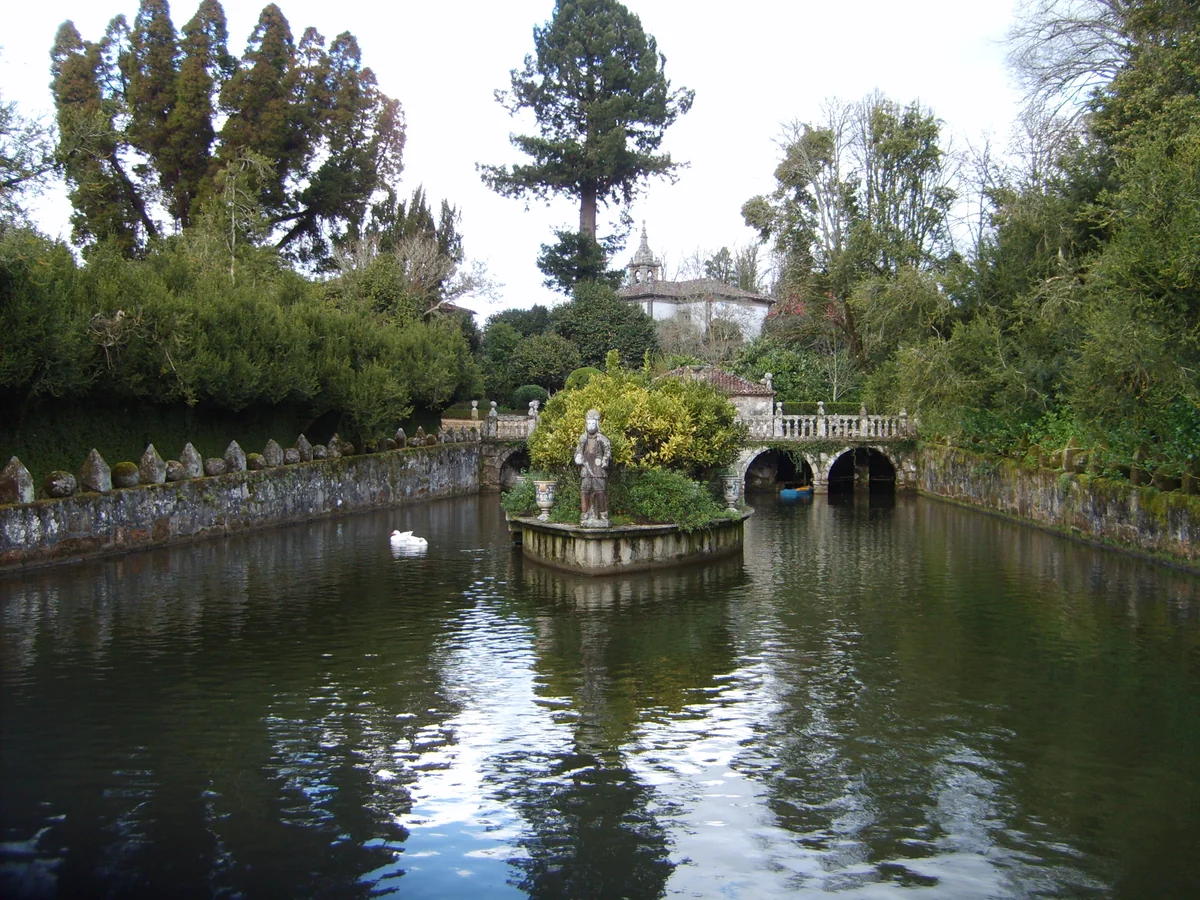
At Pazo de Oca, water does much of the storytelling. It runs through stone channels, gathers in ornamental ponds and reflects a garden shaped by generations of careful planting. The stone boats are a lovely first thing to look for: one suggests fishing, the other warfare. Give children time to inspect the details from the path before moving on.

This is a cultivated historic garden in A Estrada, rather than a wild woodland reserve. Its pleasures are the contrast between clipped shapes and tall trees, the changing views between garden compartments, and the way useful growing spaces sit beside ornamental ones. Camellias are a particular reason to come in the cooler months, but a visit need not depend on flowers.

Make the gardens the main event. Take in the palace and chapel from the outside, ask which garden paths are open, and choose an unhurried wander around the ponds and towards the tree-lined Paseo de los Tilos. The palace interior is a separate, prearranged visit. The greenhouse and its neighbouring Canterbury-inspired labyrinth are viewed from the courtyard; the operator keeps that fragile space closed to entry. Be ready to snap and learn! Get the Snappit app to identify any nature species you find here.

The surviving fabric and documentary record described by the estate begin in the fifteenth century, when Oca was a fortified residence. Its eighteenth-century owners transformed it into a palace with an elaborate garden, drawing on the courtly Baroque taste of the period. Work in the 1720s gave the ponds a central role in the design. Later generations changed the garden again. In the nineteenth century, François Viet, a gardener associated with Madrid’s royal gardens, added more landscape-style elements and emphasised the avenue of lime trees. What you see is therefore a layered place: formal spaces, productive ground, ornamental water and softer planting all belong to its story.

What to do here

Spend time with the ponds, compare the clipped planting with the taller trees, and choose a stretch of the Paseo de los Tilos that suits your group. Look for water channels and stone details along the public paths. Ask staff which camellias or other plants are worth seeking out that day.

Seasonal info

Flowering shifts with the weather and the variety of camellia. Summer brings leafy views and a later afternoon closing time; autumn changes the character of the tree-lined walks. In wet or windy weather, check with the estate before travelling and take extra care near water and on damp surfaces.

Accessibility

Before visiting with a wheelchair, walking aid or pushchair, call the estate to discuss the approach, steps, path surfaces and the areas you hope to see. Ask staff for a suitable short visit on arrival. Check access to the palace interior separately if you plan to book a tour.

Don't miss

1

The ornamental ponds and their carved stone boats

2

Camellias and other cultivated plants, enjoyed at their own seasonal pace

3

The long tree-lined perspective of the Paseo de los Tilos

4

Water, granite and clipped planting working together as garden design

A stone-edged pond surrounds a planted ornamental island with a statue; an arched stone bridge and tall trees stand behind it.

A historic pond in the gardens of Pazo de Oca, photographed in April 2010, with a planted stone feature and arched bridge.

Pazo de Oca - 11 - Estanque.JPG — Xosema / Wikimedia Commons / CC BY-SA 4.0 · Creative Commons

Walks and routes

A gentle garden plan: water first, trees afterwards

Ask staff to point you towards the ponds and the Paseo de los Tilos. Spend the first part of your visit looking at the water garden, then choose a comfortable stretch towards the avenue. Pause wherever a plant or a stone detail catches your eye, and return by an open path recommended on site. Allow 90–120 minutes with stops; this is a flexible visit plan rather than a marked circuit.

Choose your route with staff, especially if steps or uneven surfaces would be a problem. You can shorten the visit without trying to reach every compartment.


A gentle garden plan: water first, trees afterwards

An unhurried two-hour visit

Arrive near the start of a morning or afternoon opening session. Check the open paths, enjoy the ponds first, then choose trees and planting that interest your group. Leave time to return comfortably before closing, rather than trying to see every corner.

If you add the palace

Arrange the interior tour before fixing the rest of your day. Build the garden walk around the confirmed tour and the midday closure. If a tour is not available, the garden still makes a complete visit on its own.

Things to try

Spot two very different boats

Look from the pond-side paths for the stone fishing boat and the warlike one. Ask children which details helped them tell the difference, then make a quick sketch. Keep everyone away from the edge while looking.

Find three ways to make a garden room

Choose one view framed by stone, one by clipped greenery and one by taller trees. Compare how enclosed or open each feels. You can do the whole exercise from public paths without touching the plants.

Follow the water with your eyes

Choose a visible channel, fountain or pond and work out how water enters and leaves it. Look for the stonework that guides it. Keep to the paths rather than tracing a channel into a closed or working area.

Keep a wet day flexible

If the forecast is poor, call before travelling and consider moving the garden visit. The palace is not a walk-in rain shelter: an interior tour still needs advance arrangement. On a showery day, shorten the outdoor visit if footing or comfort becomes a problem.

Wildlife and habitats

Large-leaved lime

At the Paseo de los Tilos, enjoy the repetition of trunks and the long view along the planted avenue. Ask staff to identify the large-leaved limes rather than assuming every lime in the wider collection is the same species.

Coast redwood

Ask which redwood you can see from the public paths. Compare its overall outline with nearby trees and use a label or staff identification before naming it; height alone is not enough to identify a conifer.

Southern magnolia

Ask staff to help you find a magnolia and compare its leaves and outline with the clipped planting around it. Enjoy the tree even outside flowering time, and leave leaves and flowers on the plant.

The camellia collection

Ask about ‘Captain Rawes’ and whichever varieties are flowering. Compare flower shapes and colours without assuming two different-looking blooms belong to different species. The official list also records several Camellia japonica varieties and ‘Uraku’ as C. wabisuke.

Box, from clipped edges to larger forms

Notice how the same kind of plant can help define a low edge or a much taller green enclosure. Look from the path and respect any barriers around planting or maintenance work.

These plant highlights describe a cultivated collection. Enjoy any wildlife you happen to see without feeding, catching or following it. Keep a comfortable distance from birds around the ponds and leave quiet corners undisturbed.

Stories and discoveries

The garden also had work to do

Oca’s water system and growing spaces were useful as well as decorative. Thinking of it as an ornamental garden with productive ground helps explain why channels, cultivated plots and grand views belong together.

A planted avenue can change the whole view

The lime-tree avenue belongs to the nineteenth-century landscape story. Its long perspective offers a different experience from the closer, more formal garden compartments.

When to visit

Winter and early spring

January–April is a useful target for camellias. Ask about the current display, wear shoes with grip and leave room in your plans for rain. The November–March afternoon session begins and ends an hour earlier than the April–October one.

Late spring and summer

Make this a tree-and-water visit as well as a flower visit. Choose a comfortable part of the day, take drinking water and enjoy the contrasts between open views and leafy garden spaces.

Autumn

Use the tree-lined walks and garden structure as your focus. Ask what still looks good that week, and remember that the earlier winter afternoon timetable begins on 1 November.

Getting there and practical advice

Tickets and opening

Use the operator’s visitor page for the current garden ticket and seasonal timetable. The published schedule has a midday break. For general enquiries call +34 986 587 435; for the palace interior call +34 600 116 856 in advance.

Check the practical details you need

Ask about toilets, seating, drinking water, parking arrangements and any access requirements before travelling. Bring water and plan your meal separately unless the estate confirms an option that suits you.

Arriving at the estate

The published address is near Oca de Arriba on the PO-2017, 36685 A Estrada, Pontevedra. Use the estate’s official location information and follow local signs; ask where visitors should park or be dropped off.

If you are not driving

Confirm the final journey to the estate and your return before setting out. Ask the estate or A Estrada tourism office about suitable transport for your date; do not assume a bus to A Estrada town stops at the garden gate.

Plan the garden visit around your needs

When you call, describe the mobility aid or pushchair you use and ask about the route from arrival to admission, steps, firm surfaces, gates, resting places and toilets. Request a short garden option that avoids unsuitable sections.

Check the interior separately

A garden access discussion does not settle access inside the palace. Ask about the booked tour’s stairs, rooms and arrangements before paying for combined admission.

Sources and useful links

Wildlife you might spot

3

Each card links to a full Explore page with photos, traits, and fun facts.

Snap map for this place

Start with the big picture, then zoom in to explore individual wildlife observations around this place.

Loading map…

Good to know before you go

Check the operator’s hours and ticket information before setting out. The garden closes in the middle of the day, so avoid arriving just before lunch.

If you want to go inside the palace, arrange the visit in advance on +34 600 116 856. Garden admission alone does not include it.

Wear shoes with grip and bring a rain layer and drinking water. Ask ahead about toilets, seating and any other facilities your group needs.

Keep children close beside ponds and channels. Enjoy the stone boats and sculptures from permitted paths; do not climb on them or lean over the water for a photograph.

Respect barriers and the gardeners’ work. Stay out of beds, leave flowers and leaves on the plants, and do not assume every gate or wooded area is open.

View the greenhouse and its adjacent labyrinth from the courtyard. Do not plan a visit around entering that fragile area.

If you are travelling for camellias, ask which varieties are currently flowering. Photographs from another month or year may show a very different display.

Check pet, assistance-dog and photography arrangements directly with the estate if they affect your plans; ask before bringing professional equipment or organising a shoot.

Frequently asked questions

At the 16 October 2026 check, the operator listed individual garden admission at €10 and combined garden-and-palace admission at €20. The interior must be arranged in advance. Ask about children’s or other reduced rates and recheck the price for your visit.
The published daily schedule is 10:00–14:00 and 16:00–20:00 from 1 April to 31 October, changing to 10:00–14:00 and 15:00–19:00 from 1 November to 31 March. Municipal visitor information says entry ends 30 minutes before closing. Confirm any exceptions with the estate.
Arrange the interior visit first on +34 600 116 856. Confirm the day, time, language, duration and access arrangements when you call; buying a garden ticket is not an interior reservation.
The operator says the greenhouse and adjacent Canterbury-inspired labyrinth can only be viewed from the courtyard because the space is fragile. Make the ponds, plant shapes and stone details your family activity instead.
January to April is a useful season to aim for, but different varieties and weather conditions change the display. Ask the estate what is flowering now if blooms are the main reason for your trip.
Speak to the estate about your specific needs before travelling. Confirm the approach, surfaces, steps, gates and toilet arrangements, then ask for a manageable route. Garden and palace access should be discussed separately.
The featured trees and camellias are part of a cultivated garden collection. If birds or other animals appear, watch quietly without feeding or approaching them. The historic photograph does not show which animals are present today.

Recent snaps at this place

Recent snaps will appear here as new observations are added.

View all ›

Take the discovery with you

Exploring Pazo de Oca Gardens?

Identify the wildlife you spot, learn as you go, and keep a collection of the adventure.

  1. 1Spot it
  2. 2Snap it
  3. 3Keep the discovery






