Wood Duck
Aix sponsa
The Wood Duck is a colorful duck with bright feathers! It likes to nest in tree cavities and can often be seen perched on branches.
Habitat: Wooded swamps and marshes
The Wood Duck has a striking appearance; males boast an iridescent green-purple head with white stripes, a bright red eye, and a chestnut breast. Females are duller grey-brown with a distinctive white eye-patch, making them easily identifiable.
Category
BirdsRarity
Common
Danger
2/5 · Low
Snaps
131
Males have incredible iridescent feathers that shimmer with every movement!
They are one of the only duck species with strong claws for perching in trees!
Wood Duck ducklings safely jump from tree nests over 50 feet high!
Wood Ducks famously "dump" eggs into other ducks' nests for them to raise!
Wood Duck can nest and perch high in tree cavities because of strong claws that help them grip bark.
Wood Duck can fly swiftly through dense wooded areas, helping them escape predators and navigate tight spaces.
Wood Duck can dive underwater for short periods to snatch up hidden aquatic insects and seeds.
Female Wood Ducks sometimes lay eggs in other duck nests, ensuring more of their ducklings hatch.
Wood Ducks feast on a mix of plants and insects found near water!
Age differences: Ducklings primarily eat insects for protein, adults shift more to plants.
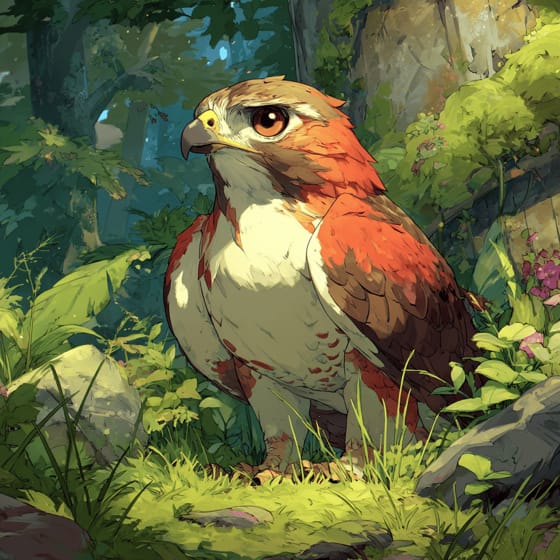
Buteo jamaicensis
hunts adults and ducklings.
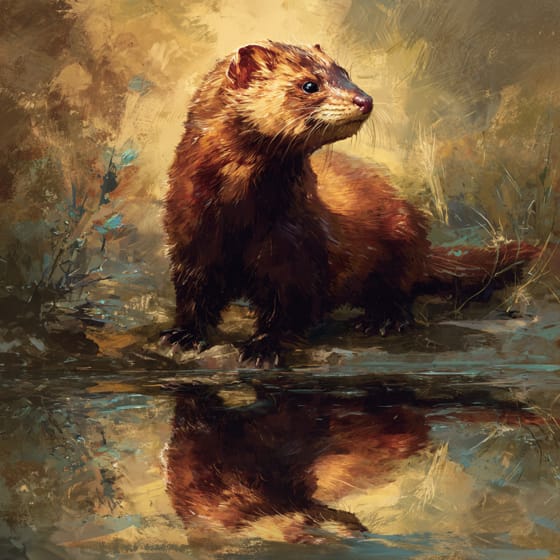
Mustela vison
preys on eggs and ducklings near water.
Castor canadensis
beaver dams create ideal flooded forest habitat.
Quercus rubra
relies on their acorns as a key food source.
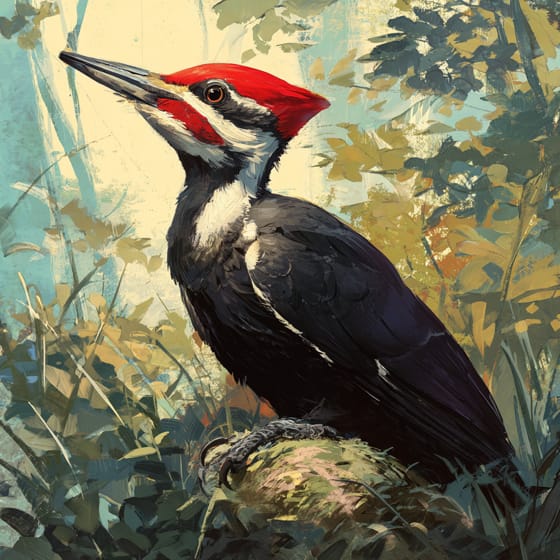
Dryocopus pileatus
uses their old nesting cavities.
Wildlife encompasses all undomesticated animal and plant life existing in their natural habitats.
Feathered describes animals, primarily birds, possessing a covering of feathers.
Characterized by having toes connected by a membrane, typically aiding in swimming.
This trait identifies organisms whose diet includes both plant and animal matter.

Arboreal animals live primarily in trees, utilizing them for shelter, food, and protection from predators.

Colorful describes organisms or objects displaying a wide range of bright and distinct colors.

This habitat trait identifies species found in wetlands, which are areas of land saturated with water, either permanently or seasonally, including marshes, swamps, and bogs.

Diurnal animals are primarily active during daylight hours, typically resting or sleeping at night.
Danger
2/5 · Low
Watch quietly from a distance and never try to feed or chase wild animals.
47-54 cm
66-73 cm
0.5-0.9 kg
3-5 years
64 km/h
Wood Ducks feast on a mix of plants and insects found near water!
Wooded swamps and marshes
Foraging
Zoom in to split clusters and explore where this object has been snapped.

Louisiana, US
You might spot Linnaeus's Two-Toed Sloth and Corn Snake.
View guide →

New York, US
You might spot Giraffes, Polar Bear, and Red Panda.
View guide →
New York, US
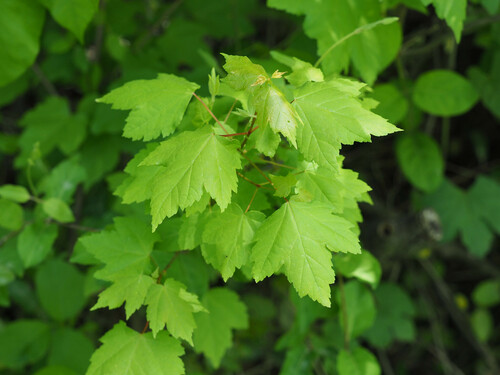
You might spot Red Maple, Black Tupelo, and Sensitive Fern.
View guide →

New York, US
You might spot Cougar, Coyote, and American Bison.
View guide →

Missouri, US
You might spot Sheep, Giraffes, and Tiger.
View guide →

Wisconsin, US
You might spot White-Tailed Deer, Common Eastern Bumble Bee, and Duck.
View guide →