




Gull
Larus
Gulls are seabirds that can be found near oceans, lakes, and rivers. They have white feathers, long wings, and can be seen diving into the water to catch fish.
Habitat: Coastal areas
The Gull is a sturdy bird with long wings and webbed feet, typically featuring a white body, grey back, and black wingtips. Its strong, often yellow, hooked bill helps distinguish it from other seabirds, and most have bright, watchful eyes.
Category
BirdsRarity
Common
Danger
2/5 · Low
Snaps
Be the first to snap!
Gull chicks often wear camouflage to hide from hungry predators.
Gulls can follow fishing boats for miles to catch tossed fish.
Gulls often steal food from other birds right out of the air!
Some gulls use bread to bait fish like clever anglers!
Gull can break open shellfish because of their skill in dropping them onto hard surfaces from the air.
Gull can drink salty ocean water because they have special glands that help them remove excess salt.
Gull can find food almost anywhere because of their adaptable diet and keen eyesight that helps them spot scraps.
Gull has powerful wings that help them soar and glide effortlessly for long distances over land and sea.
Gulls are resourceful birds, eating almost anything from fish to human leftovers or eggs.
Age differences: Young gulls are fed by parents and gradually learn to forage on their own.
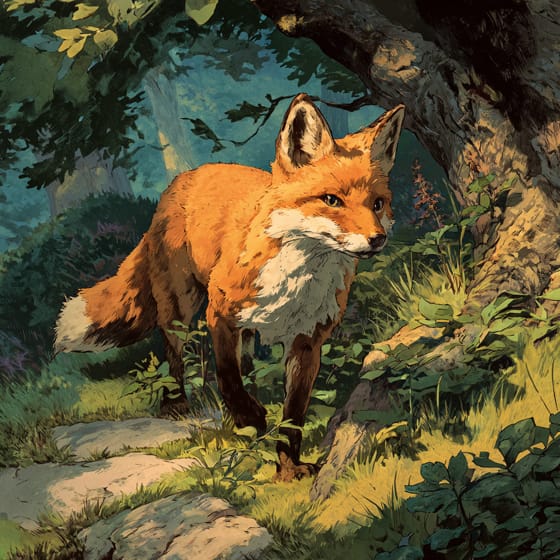
Vulpes vulpes
Red foxes often raid gull nests for eggs and chicks.
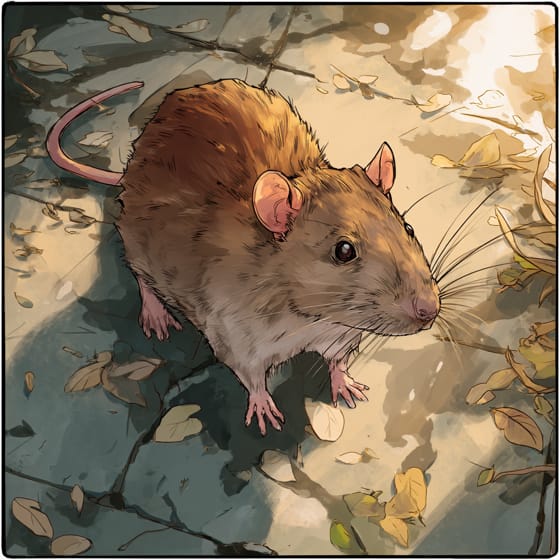
Rattus norvegicus
Rats are opportunistic predators of gull eggs and young nestlings.
Mytilus edulis
Gulls hunt these mussels, often dropping them to break their shells.

Homo sapiens
Gulls often depend on human activities for easily available food scraps.
Social animals live in organized groups, cooperating for survival benefits such as foraging, defense, and raising offspring.
Aerial creatures spend a significant portion of their lives airborne, utilizing flight for various activities such as hunting, migration, or nesting.
This trait identifies organisms whose diet includes both plant and animal matter.
Scavengers consume dead organic matter, helping to decompose carcasses and other waste in the ecosystem.
Gliding animals move through the air by launching themselves and maintaining flight with specialized body structures, without flapping wings.

Piscivorous organisms are animals that primarily subsist on a diet of fish.
This trait describes organisms that manipulate external objects to achieve a specific goal.

Coastal habitats are dynamic environments located along the interface between land and sea, influenced by tides, waves, and saltwater.
Danger
2/5 · Low
Avoid feeding gulls human food as it can be harmful to them. Enjoy watching them from a safe distance.
The easiest way to identify Gull is to use the Snappit nature identifier app.
30-75 cm
90-170 cm
0.3-2 kg
10-20 years
55 km/h
Gulls are resourceful birds, eating almost anything from fish to human leftovers or eggs.
Coastal areas
Zoom in to split clusters and explore where this object has been snapped.
Recent snaps will appear here as new observations are added.
Take the discovery with you
Snap it with Snappit to identify it, learn what makes it special, and add the discovery to your collection.




.jpg&width=800)











