

Gentoo Penguin
Pygoscelis papua
The Gentoo Penguin is known for its white stripe on its head. They are playful and love to slide on ice.
Habitat: Antarctic Peninsula
The Gentoo Penguin has a striking white band stretching over the top of its head, connecting above each eye. Its bright orange-red bill stands out against its black back and pure white belly, making it easily recognizable.
Category
BirdsRarity
Common
Danger
2/5 · Low
Snaps
Be the first to snap!
Gentoo Penguins visit the same nesting sites every single year, like a big reunion!
Gentoo chicks hatch covered in soft, gray down, not their sleek black and white adult feathers!
Their name, "Gentoo," might come from an old Portuguese word for "pagan" or "gentile"!
They flap their flippers underwater up to 150 times per minute to zoom around!
Gentoo Penguins can dive up to 200 meters deep because of their dense bones and efficient oxygen use that help them hunt for prey far below.
Gentoo Penguins can launch themselves out of the water to breathe while swimming, helping them maintain speed and avoid predators.
Gentoo Penguins possess excellent vision, especially underwater, that helps them spot small prey like krill and fish in the ocean.
They love to eat yummy fish, krill, and squid they catch in the cold ocean waters!
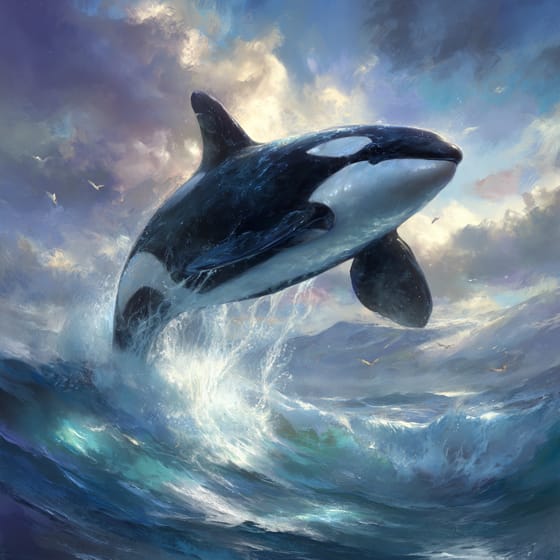
Orcinus orca
Top predator in their marine habitat.
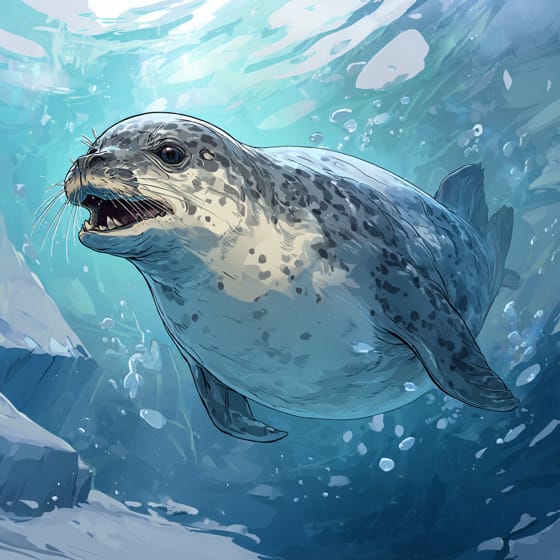
Hydrurga leptonyx
Ambushes penguins near the water's edge.
Euphausia superba
A primary food source in the Southern Ocean.
Stercorarius antarcticus
Preys on Gentoo eggs and chicks in colonies.
Wildlife encompasses all undomesticated animal and plant life existing in their natural habitats.
Feathered describes animals, primarily birds, possessing a covering of feathers.
Characterized by having toes connected by a membrane, typically aiding in swimming.
Social animals live in organized groups, cooperating for survival benefits such as foraging, defense, and raising offspring.

Piscivorous organisms are animals that primarily subsist on a diet of fish.

This trait identifies organisms that exhibit exceptional swiftness in movement for hunting, escape, or travel.

Migratory animals undertake seasonal movements from one region to another, typically in response to changes in climate or food availability.
Danger
2/5 · Low
Watch quietly from a distance and never try to feed or chase wild animals.
70-80 cm
30-40 cm
4.5-8.5 kg
10-15 years
36 km/h
They love to eat yummy fish, krill, and squid they catch in the cold ocean waters!
Antarctic Peninsula
Pursuit
Zoom in to split clusters and explore where this object has been snapped.
Recent snaps will appear here as new observations are added.

Missouri, US
You might spot African Lion, Allen's Swamp Monkey, and Tiger.
View guide →
Pennsylvania, US
You might spot African Lion, Giraffes, and Tiger.
View guide →

England, UK
You might spot Blue Shark, Great White Shark, and Tiger Shark.
View guide →
South Carolina, US
You might spot African Lion, Komodo Dragon, and Giraffes.
View guide →

Texas, US
You might spot Harbor Seal, Chinstrap Penguin, and Cotton-Top Tamarin.
View guide →

Bavaria, DE
You might spot African Lion, Arachnida, and Insect.
View guide →