Gorilla
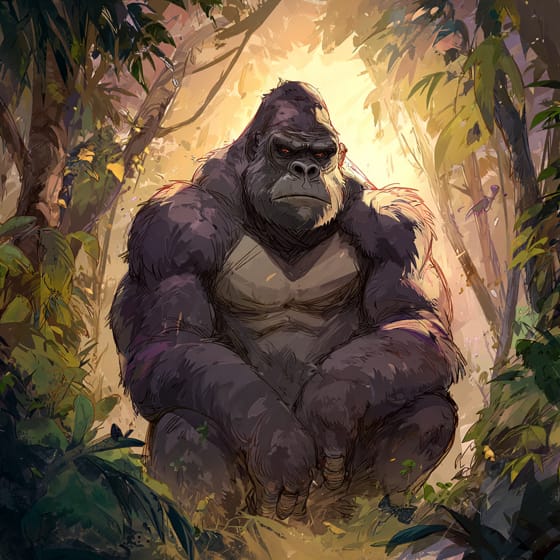
Nestled along the scenic Saluda River in Columbia, South Carolina, Riverbanks Zoo & Garden offers an enchanting escape where the wonders of wildlife meet the tranquility of lush botanical landscapes.
Nestled along the scenic Saluda River in Columbia, South Carolina, Riverbanks Zoo & Garden offers an enchanting escape where the wonders of wildlife meet the tranquility of lush botanical landscapes. This 170-acre oasis is home to over 3,000 magnificent animals representing more than 400 species, alongside a breathtaking 70-acre botanical garden showcasing over 5,700 species of native and exotic plants. It's a premier destination that masterfully blends conservation, education, and recreation, consistently recognized as one of America's best zoos.Visitors embark on a captivating journey through diverse ecosystems, from the vast African Plains, where giraffes and zebras roam, to the fascinating Gorilla Base Camp, offering an intimate look at these intelligent primates.
The experience is highly interactive, allowing guests the unique opportunity to hand-feed gentle giraffes at the Giraffe Overlook or be swarmed by colorful lorikeets during a feeding session. The Kangaroo Walkabout provides a barrier-free encounter with marsupials, making for unforgettable memories and photographs. Beyond the animal kingdom, the botanical garden beckons with its serene beauty, featuring themed gardens and the popular Waterfall Junction, a vibrant children's area with splash pads and play structures that invite exploration and imagination.Riverbanks Zoo & Garden is more than just a collection of animals and plants; it's an immersive adventure designed for all ages.
Dynamic natural habitat exhibits create authentic viewing experiences, while significant historic landmarks found throughout the grounds add a layer of rich heritage to your visit. Whether you're marveling at a tiger's powerful stride, observing sea lions at play in their re-creation of San Francisco's Pier 39, or discovering the vibrant underwater world of the Aquarium & Reptile Conservation Center, every corner of Riverbanks promises discovery and wonder. The meticulously maintained grounds and thoughtful attractions ensure a delightful and enriching experience, making it a must-visit for families and nature enthusiasts alike. Turn your visit into a safari! Use the Snappit app to scan and log wildlife sightings here.
The vision for Riverbanks Zoo & Garden began in the early 1960s when Columbia-area businessmen conceived of a zoo for the state capital. After years of planning, the state established the Rich-Lex Riverbanks Park Special Purpose District in 1969 to manage the proposed zoo. Riverbanks Zoo officially opened its gates to the public on April 25, 1974, after five years of dedicated planning and construction. Initial designs featured mountainous, moated exhibits for big cats and bears, as well as an innovative Ecosystem Birdhouse.In 1976, the Riverbanks Zoological Society was formed to garner community support and help with fundraising, which became crucial as visitor income initially proved insufficient to cover operating costs. Local government leaders provided ongoing funding starting in 1980, securing the zoo's financial stability. Major expansions and improvements followed, including the opening of Riverbanks Farm in 1988 and the groundbreaking Riverbanks Botanical Garden in 1995, connected to the zoo by an 800-foot bridge over the Lower Saluda River. The 2016 addition of Waterfall Junction further enhanced the botanical garden, underscoring Riverbanks' continuous evolution as a world-class attraction.
Engage in animal feeding experiences, ride the Endangered Species Carousel or Spots & Stripes Railroad, explore the Sky-High Safari ropes course, visit the Riverbanks Farm for petting zoo experiences, and wander through the beautifully diverse Botanical Garden.
Winter may see fewer flowers in the Botanical Garden, but the animal exhibits remain open. The zoo hosts popular annual events like "Boo at the Zoo" during Halloween and "Lights Before Christmas" during the holiday season.
Riverbanks Zoo & Garden is largely wheelchair accessible, with manual and electric wheelchairs available for rent. Sensory Packs are offered at Guest Relations for visitors with sensory sensitivities, providing items like ear muffs and fidget toys. Service animals are permitted, though some restrictions apply in certain areas for the safety of both the service animal and zoo animals. The upper portions of the Woodlands Walk may not be wheelchair accessible.
Observe gorillas in their naturalistic habitat, often active and engaging.
A popular interactive experience where you can hand-feed giraffes.
Walk directly through an exhibit among kangaroos and wallabies (look, but don't touch!).
Explore diverse aquatic life and reptiles, including sharks, lionfish, and Komodo dragons.
Each card links to a full Explore page with photos, traits, and fun facts.
Start with the big picture, then zoom in to explore individual wildlife observations around this place.
Arrive Early
Get to the zoo shortly after opening to enjoy cooler temperatures, smaller crowds, and more active animals.
Buy Tickets Online
Purchase your admission tickets in advance on the Riverbanks Zoo website to save time at the entrance and often receive free parking, avoiding a separate $5 parking fee.
Plan Your Route
The zoo is divided into two main areas (Zoo and Botanical Garden) connected by a bridge. Review a map online before your visit to prioritize exhibits and decide whether to walk or take the complimentary tram between sections.
Stay Hydrated & Sun-Safe
Bring water bottles (refill stations are available), wear hats, and apply sunscreen, especially during warmer months, as much of the park is outdoors.
Pack Smart
While outside food isn't generally allowed, bringing some snacks for kids or a light jacket for cooler weather is advisable. Strollers are available for rent but bringing your own is also an option.
Save Indoor Exhibits for Mid-Day
The Birdhouse, Sea Lion Landing, and the Aquarium & Reptile Conservation Center are air-conditioned and can provide a welcome break from the heat during the warmest parts of the day.
Mar 1, 2026
Feb 25, 2026
Feb 24, 2026
Feb 23, 2026
Feb 22, 2026

Michigan, US
You might spot African Lion, Komodo Dragon, and Brown Bear.
View guide →
.jpg)
Municipal District of Cobh, IE
You might spot Ring-Tailed Lemur, Giraffes, and Cheetahs.
View guide →

Nouvelle-Aquitaine, FR
You might spot Greater Flamingo, Giraffes, and Red Panda.
View guide →

Texas, US
You might spot Giraffes, African Lion, and Eastern Black Rhinoceros.
View guide →
Take the discovery with you
Identify the wildlife you spot, learn as you go, and keep a collection of the adventure.