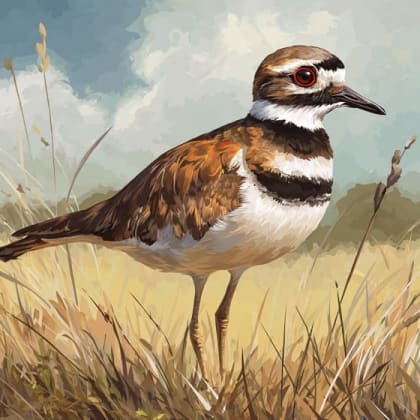
Downy Woodpecker
Dryobates pubescens
The Downy Woodpecker is a small bird with a black-and-white spotted back and a cute little beak. They love to peck on trees to find bugs and make their homes in the wood.
Habitat: Forests
The Downy Woodpecker is a small bird, known for its distinctive black and white striped head and a prominent white patch down its back. Males have a tiny red spot on the back of their head. Its short, chisel-like bill is much smaller than the similar Hairy Woodpecker.
Category
BirdsRarity
Common
Danger
1/5 · Very low
Snaps
120
Downy Woodpeckers often choose dead branches for easier insect hunting. Wow!
Males and females forage on different parts of trees to avoid competing. Wow!
Their tongue is so long it wraps around their skull! Wow!
They sometimes drink sap from trees, just like hummingbirds do. Wow!
Downy Woodpecker has a strong skull and thick neck muscles that absorb impact, protecting its brain from concussions while pecking.
Downy Woodpecker can extend its barbed, sticky tongue far into crevices, helping it pull out insects and larvae from wood.
Downy Woodpecker has two toes facing forward and two backward, helping it grip tree bark tightly while climbing vertically.
This little bird mainly eats insects found in trees but also enjoys sap and seeds.
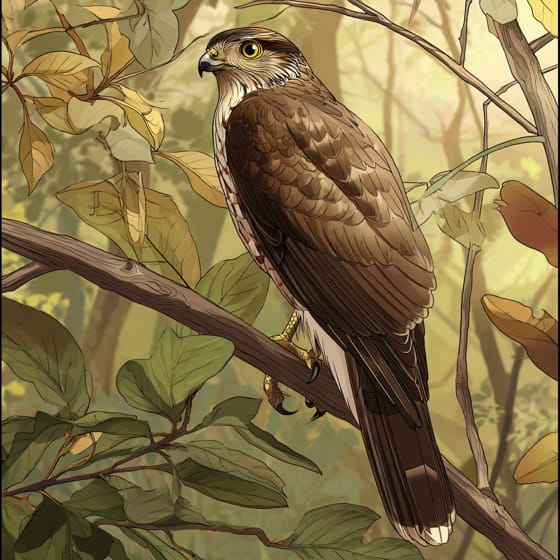
Accipiter cooperii
Adults and fledglings are prey for this agile bird of prey.
Sitta carolinensis
May use abandoned Downy Woodpecker nest cavities for nesting.
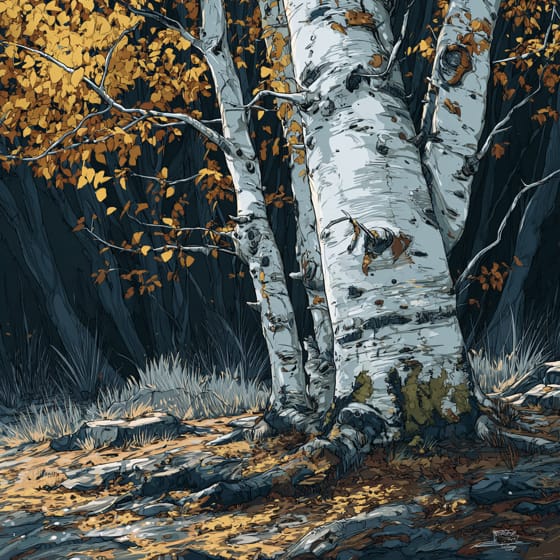
Betula papyrifera
Feeds on sap and insects found in the bark of birch trees.
Feathered describes animals, primarily birds, possessing a covering of feathers.
Marked with spots or patches of a different color.
Social animals live in organized groups, cooperating for survival benefits such as foraging, defense, and raising offspring.
Arboreal animals live primarily in trees, utilizing them for shelter, food, and protection from predators.

This trait identifies organisms whose diet primarily consists of insects and other small invertebrates.

This trait describes organisms that manipulate external objects to achieve a specific goal.

Forest habitats are terrestrial environments dominated by dense tree cover, supporting a high diversity of plant and animal life.

Diurnal animals are primarily active during daylight hours, typically resting or sleeping at night.
Danger
1/5 · Very low
It's best to watch birds from a distance and not disturb their homes.
14-18 cm
25-31 cm
0.02-0.03 kg
1-10 years
40 km/h
This little bird mainly eats insects found in trees but also enjoys sap and seeds.
Forests
Foraging
Zoom in to split clusters and explore where this object has been snapped.

Nebraska, US
You might spot African Lion, Giraffes, and Tiger.
View guide →
.JPG)
Massachusetts, US
You might spot Virginia Bluebells and Great Golden Digger Wasp.
View guide →

Connecticut, US
You might spot Aurelia Aurita and Whitespotted Bamboo Shark.
View guide →

Illinois, US
You might spot White Mulberry, House Finch, and Scissor Grinder.
View guide →

Illinois, US
You might spot Polar Bear, Brown Bear, and American Bison.
View guide →

New York, US
You might spot Giraffes, Polar Bear, and Red Panda.
View guide →