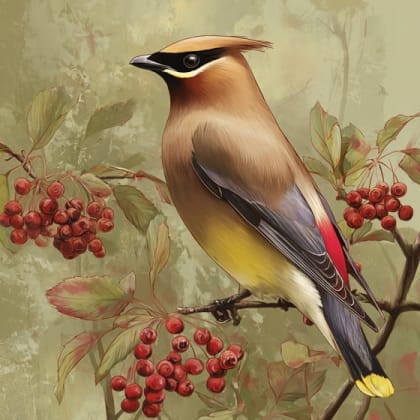
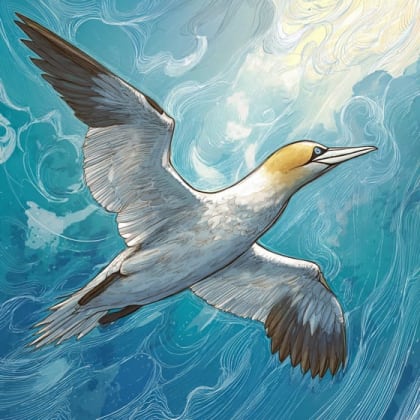
Double-crested Cormorant
Nannopterum auritum
The Double-crested Cormorant is a sleek bird that loves to dive underwater to catch fish. With its long neck and dark feathers, it can often be seen drying its wings after a swim.
Habitat: Coastal areas
The Double-crested Cormorant is a large, dark water bird with a slender, hooked bill and an orange-yellow throat pouch. Adults develop small feather crests on their head during breeding season, making them distinct from other cormorants.
Category
BirdsRarity
Common
Danger
1/5 · Very low
Snaps
220
Baby cormorants are born featherless and completely blind!
Their bones are denser than most birds', helping them sink effortlessly underwater!
They can eat up to 20% of their own weight in fish daily!
They cool down on hot days by rapidly fluttering their gular pouch!
Double-crested Cormorants have a clear nictitating membrane that covers their eyes like goggles, helping them see clearly while diving for fish.
Double-crested Cormorants spread their wings in the sun to dry because their feathers aren't fully waterproof, which helps regulate buoyancy.
Double-crested Cormorants have a large, stretchy gular pouch that helps them hold and swallow entire fish, even big ones!
These expert fishers use their sharp bills to catch a wide variety of fish and other small aquatic animals.
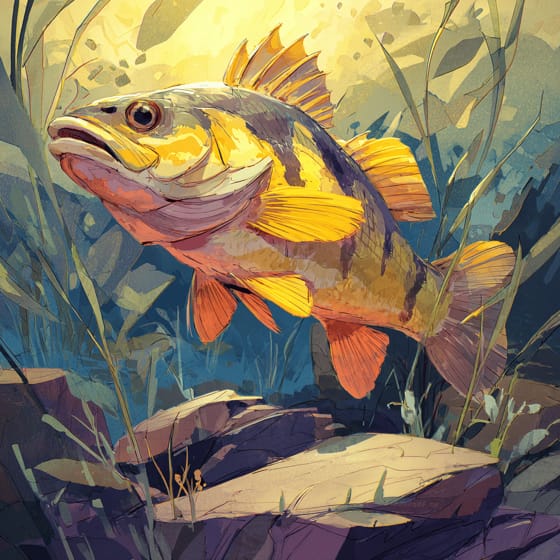
Perca flavescens
A common prey fish in freshwater lakes and rivers.
Morone americana
Frequently caught fish in estuarine and coastal areas.

Haliaeetus leucocephalus
Predatory bird known to take cormorant nestlings or adults.
Feathered describes animals, primarily birds, possessing a covering of feathers.
Characterized by having toes connected by a membrane, typically aiding in swimming.
Social animals live in organized groups, cooperating for survival benefits such as foraging, defense, and raising offspring.
Piscivorous organisms are animals that primarily subsist on a diet of fish.

Coastal habitats are dynamic environments located along the interface between land and sea, influenced by tides, waves, and saltwater.

This trait identifies organisms whose diet consists entirely or primarily of animal tissue.

Diurnal animals are primarily active during daylight hours, typically resting or sleeping at night.

Describes a species whose presence and role have a disproportionately large effect on its environment.

Migratory animals undertake seasonal movements from one region to another, typically in response to changes in climate or food availability.
Danger
1/5 · Very low
Always watch birds from a distance and don't try to touch them.
70-90 cm
120-150 cm
1.2-2.5 kg
5-20 years
55 km/h
These expert fishers use their sharp bills to catch a wide variety of fish and other small aquatic animals.
Coastal areas
Pursuit
Zoom in to split clusters and explore where this object has been snapped.

Nebraska, US
You might spot African Lion, Giraffes, and Tiger.
View guide →
Missouri, US
You might spot African Lion, Allen's Swamp Monkey, and Tiger.
View guide →
Arkansas, US
You might spot African Lion, Red Fox, and Common Ostrich.
View guide →

Quebec, CA
You might spot Groundhog, Ring-Billed Gull, and Eastern Gray Squirrel.
View guide →
Louisiana, US
You might spot African Lion, Giraffes, and Equus Africanus Asinus.
View guide →

Virginia, US
You might spot Duck, Wood Duck, and Chlorosplenium Chlora.
View guide →