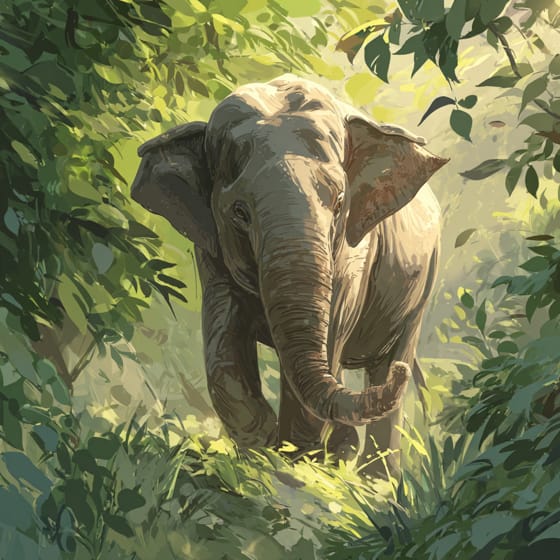
Asian Elephant
The Oregon Zoo, nestled within Portland's scenic Washington Park, offers an enriching and engaging journey into the world of wildlife.
The Oregon Zoo, nestled within Portland's scenic Washington Park, offers an enriching and engaging journey into the world of wildlife. As the oldest zoo west of the Mississippi, it spans 64 forested acres, serving as a vital hub for science, conservation, education, and animal well-being. Visitors are invited to explore meticulously crafted habitats that transport them across continents, from the majestic Elephant Lands showcasing Asian elephants to the diverse ecosystems of the Great Northwest, where native species like black bears and river otters thrive. The zoo's commitment to creating naturalistic environments provides incredible viewing opportunities, fostering a deeper connection between guests and the animal kingdom.
A visit to the Oregon Zoo is an immersive experience designed for all ages, inspiring wonder and promoting environmental stewardship. Stroll through the lush Primate Forest to observe the playful antics of chimpanzees and orangutans, or delve into the chilly Pacific Shores to watch polar bears glide gracefully through saltwater pools and sea otters frolic. The Africa Savanna comes alive with the powerful presence of lions, towering giraffes, and swift cheetahs. Beyond the captivating animal encounters, the zoo integrates educational programs and interactive elements, ensuring every visit is both fun and informative.
The Oregon Zoo is more than just an attraction; it's a dedicated conservation organization actively working to protect endangered and threatened species, both locally and globally. With over 2,200 animals representing 165 species, including many involved in critical recovery projects like California condors and Oregon silverspot butterflies, the zoo provides a unique opportunity to witness firsthand the impact of conservation efforts. Its beautiful park-like grounds, coupled with a variety of dining options and a charming Zoo Railway, make it a beloved destination where families can create lasting memories while contributing to a better future for wildlife. Eager to name that creature? Identify any animal you find during your visit using the Snappit app.
The Oregon Zoo's rich history dates back to 1888, making it the oldest zoo west of the Mississippi River. It began with a humble collection of exotic animals, including two bears, amassed by Portland pharmacist Richard Knight. Recognizing the need for a dedicated space, Knight donated his animals to the city, which then established the Portland Zoo in Washington Park. Over the decades, the zoo expanded its collection and facilities, moving to its current 64-acre site in 1959. A significant moment in its history occurred in 1962 with the birth of Packy, the first Asian elephant born in the United States in 44 years, which brought international attention and solidified the zoo's reputation for successful elephant breeding. The institution has undergone several name changes, from Portland Zoo to Washington Park Zoo and Portland Zoological Gardens, before officially becoming the Oregon Zoo in 1998, reflecting its regional significance and broader conservation mission.
Explore the various geographical zones and their unique animal inhabitants, catch scheduled keeper talks and feeding demonstrations, take a ride on the Zoo Railway and carousel, and discover the diverse plant collections throughout the grounds.
Summer (June-August): Peak visitor season with longer days. Mornings and late afternoons are ideal to avoid midday heat and larger crowds. Extended evening hours are sometimes available. Winter (December-February): Quieter atmosphere, with indoor exhibits providing a cozy refuge. The festive ZooLights event in December transforms the zoo into a dazzling light display. Spring (March-May): Enjoy cooler temperatures, blooming greenery, and often more active animals as they emerge from winter. Fall (September-November): Experience fewer crowds, crisp air, and beautiful fall foliage, making for a very pleasant visit.
The Oregon Zoo is highly accessible for individuals of all abilities. The majority of its 64 acres, including pathways, exhibits, restaurants, and restrooms, are ADA accessible. Wheelchairs and electric scooters are available for rent at the gift shop on a first-come, first-served basis. Both the Zoo Railway and carousel are designed to accommodate wheelchairs. Additionally, the zoo offers a wheelchair loading and unloading zone, complimentary sensory kits, and free admission for one-to-one support persons accompanying a visitor with a disability. Service animals are also welcome.
Elephant Lands
Great Northwest exhibit featuring regional wildlife
Polar Passage and Steller Cove in Pacific Shores
Africa Savanna
Each card links to a full Explore page with photos, traits, and fun facts.
Start with the big picture, then zoom in to explore individual wildlife observations around this place.
Arrive early
Aim to get to the zoo as close to opening time as possible to experience more active animals and secure better parking before crowds build up.
Use public transportation
Take the MAX Light Rail directly to the Washington Park stop. This not only eases parking concerns but can also offer a discount on admission.
Purchase tickets online in advance
The Oregon Zoo highly recommends buying timed-entry tickets online beforehand to ensure entry and streamline your arrival.
Check daily schedules
Look up keeper talks and feeding times on the zoo's website before or upon arrival to catch exciting animal interactions.
Consider your route
Some visitors suggest starting your exploration counter-clockwise or heading to Elephant Lands first, as many people proceed clockwise, allowing you to avoid initial crowds in certain areas.
Pack snacks or plan for meals
You are welcome to bring your own food and enjoy picnic areas, or take advantage of the diverse dining options available throughout the zoo.
Mar 4, 2026
Mar 3, 2026
Mar 3, 2026
Mar 3, 2026
Mar 3, 2026

Michigan, US
You might spot African Lion, Komodo Dragon, and Brown Bear.
View guide →
.jpg)
Municipal District of Cobh, IE
You might spot Ring-Tailed Lemur, Giraffes, and Cheetahs.
View guide →

Nouvelle-Aquitaine, FR
You might spot Greater Flamingo, Giraffes, and Red Panda.
View guide →

Texas, US
You might spot Giraffes, African Lion, and Eastern Black Rhinoceros.
View guide →
Take the discovery with you
Identify the wildlife you spot, learn as you go, and keep a collection of the adventure.