

Raccoon
Procyon lotor
Raccoons are clever animals with masked faces and ringed tails. They are excellent climbers and love to explore at night. Raccoons are known for their dexterous paws that can open jars and even doors!
Habitat: Forests, Urban areas
The Raccoon has a distinctive black 'mask' across its eyes and a bushy tail with 4-7 dark rings. Its body is covered in dense, grizzled grey fur, appearing stockier than a fox with short legs and very nimble, hand-like front paws.
Category
MammalsRarity
Common
Danger
2/5 · Low
Snaps
295
Raccoons can hear earthworms moving underground and identify food sources by sound alone!
Raccoons can rotate their hind feet 180 degrees, allowing them to climb down trees head-first!
Their scientific name, Procyon lotor, means 'before-dog washer,' referencing their food-dunking habit.
Though often seen dunking food, raccoons don't actually 'wash' it; they are feeling for texture!
Raccoon can use its highly sensitive and dexterous front paws to manipulate objects and open containers, helping it find food in tricky places.
Raccoon has excellent night vision because of large eyes and a reflective layer behind the retina, helping it forage in the dark.
Raccoon can climb trees head-first to escape predators or find shelter, using strong claws and rotating ankles.
Raccoon has a clever brain that helps it remember solutions to problems for up to three years, making it super adaptable.
These clever omnivores eat almost anything, from berries and nuts to insects and small animals!
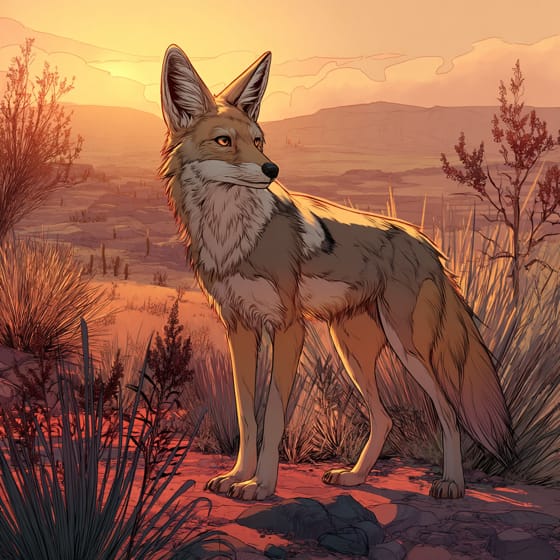
Canis latrans
Coyotes are common predators of raccoons, especially younger ones.
Lithobates catesbeianus
Raccoons commonly prey on frogs and other amphibians in aquatic habitats.

Zea mays
Raccoons frequently raid cornfields, consuming the kernels.
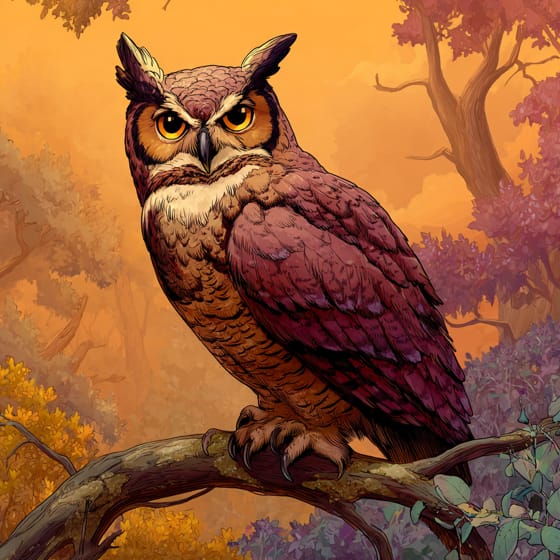
Bubo virginianus
Great Horned Owls can prey on smaller raccoons or juveniles.
Social animals live in organized groups, cooperating for survival benefits such as foraging, defense, and raising offspring.
This trait identifies organisms whose diet includes both plant and animal matter.
Arboreal animals live primarily in trees, utilizing them for shelter, food, and protection from predators.
This trait describes organisms that manipulate external objects to achieve a specific goal.

Forest habitats are terrestrial environments dominated by dense tree cover, supporting a high diversity of plant and animal life.

This trait identifies organisms whose diet consists entirely or primarily of animal tissue.

Describes a species whose presence and role have a disproportionately large effect on its environment.

This habitat trait indicates species that can coexist with humans in urban and suburban environments, utilizing man-made structures and green spaces.

Nocturnal animals are primarily active during the nighttime hours, typically resting or sleeping during the day.
Danger
2/5 · Low
Enjoy watching raccoons from a safe distance and never try to touch or feed them.
40-70 cm
3.5-9 kg
2-5 years
24 km/h
These clever omnivores eat almost anything, from berries and nuts to insects and small animals!
Forests, Urban areas
Foraging
1-7
Zoom in to split clusters and explore where this object has been snapped.
.jpg)
Maryland, US
You might spot White-Tailed Deer and Japanese Knotweed.
View guide →

Illinois, US
You might spot White Mulberry, House Finch, and Scissor Grinder.
View guide →

Delaware, US
You might spot Northern Raven, Bee, and Red Panda.
View guide →

New York, US
You might spot Giraffes, Polar Bear, and Red Panda.
View guide →
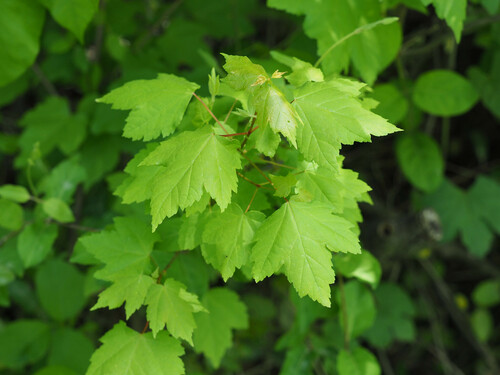
New York, US
You might spot Red Maple, Black Tupelo, and Sensitive Fern.
View guide →

Illinois, US
You might spot Red Fox, Equus Africanus Asinus, and Western Barn Owl.
View guide →